







What's Happening?
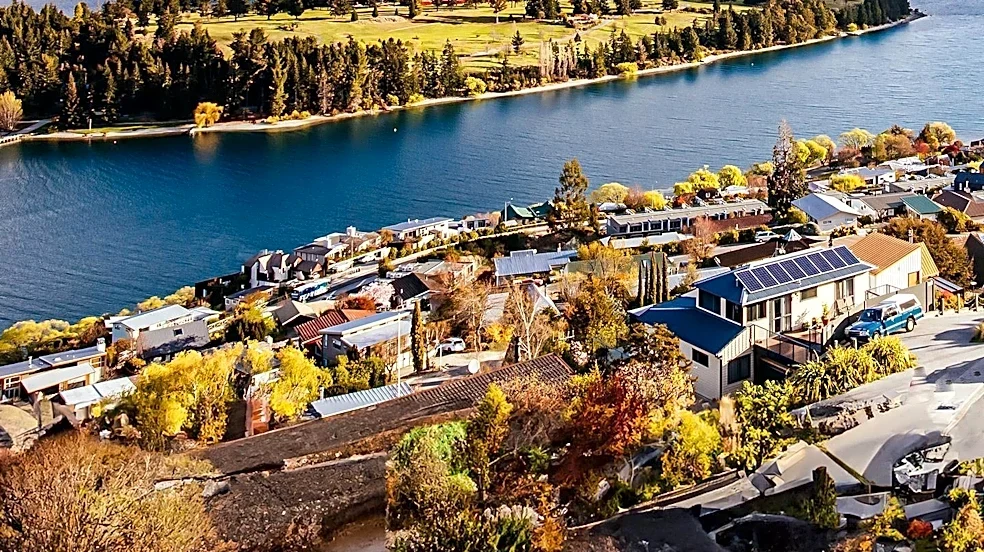
Queenstown, New Zealand, traditionally known as an adventure sports capital, is undergoing a significant transformation, repositioning itself as a luxury travel and culinary hotspot. This shift is evidenced by the recent Michelin awards, with Queenstown restaurants
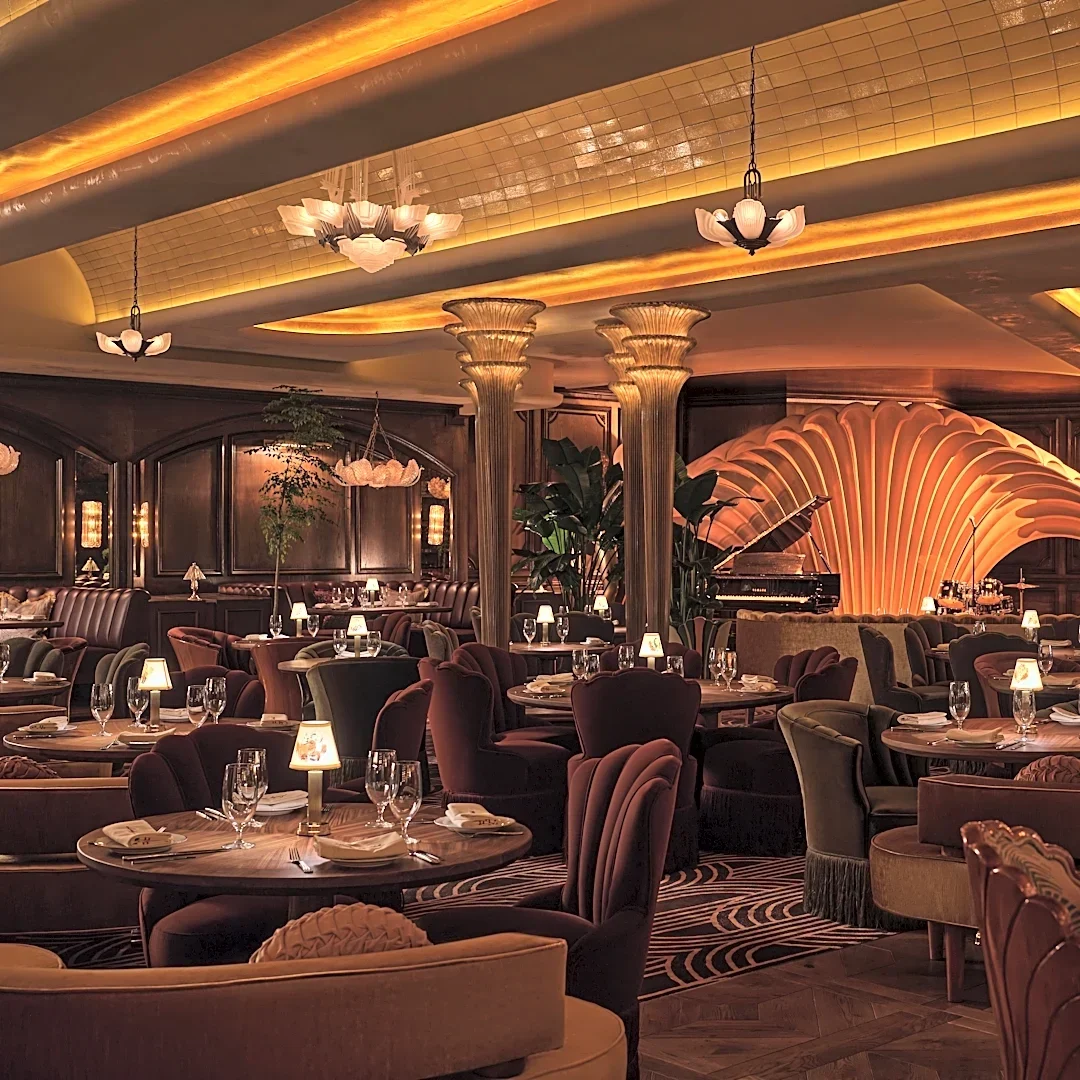
like Rātā and Essence receiving stars, and Essence notably earning two. The town is now attracting travelers with deeper pockets, offering high-end dining experiences, sophisticated accommodations, and a focus on golf and wellness. New establishments like Ayrburn, a sprawling estate with its own winery and multiple dining options, and the redeveloped Avani Queenstown hotel, cater to this upscale market. This evolution is moving Queenstown beyond its seasonal adventure tourism to a year-round destination appealing to a broader range of visitors seeking refined experiences.
Why It's Important?
This transformation of Queenstown into a luxury and foodie destination signifies a broader trend in global tourism, where regions diversify their offerings to attract different demographics and increase revenue streams. For the U.S. travel industry and American tourists, this means new high-end options in a popular international destination. The focus on culinary excellence, exemplified by Michelin stars, elevates Queenstown's profile, potentially drawing more affluent American travelers interested in gastronomic tourism. The development of luxury accommodations and experiences also creates opportunities for U.S. luxury travel agencies and tour operators. This shift could also influence how other adventure-centric destinations consider expanding their appeal beyond adrenaline-fueled activities, by integrating luxury, culture, and culinary experiences to capture a wider market.
What's Next?
The continued development of Queenstown as a luxury destination is expected to attract more high-spending tourists, particularly from markets like the U.S. Tourism New Zealand anticipates that the Michelin awards alone could generate up to 36,000 extra visitors annually from 2027, indicating a significant economic impact. Further investments in upscale hotels, fine dining establishments, and luxury experiences are likely to follow. The town will continue to balance its adventure roots with its growing luxury appeal, potentially leading to more integrated offerings that combine both aspects. Stakeholders will likely focus on sustainable growth to manage the increased tourism while preserving the region's natural beauty and unique character.
Beyond the Headlines
The evolution of Queenstown highlights a fascinating interplay between economic development and cultural identity. While the town has long been synonymous with adventure, its pivot towards luxury and gastronomy reflects a strategic effort to enhance its global standing and economic resilience. This shift raises questions about the long-term impact on local culture and accessibility, as the focus on high-end tourism may alter the town's character and potentially price out some traditional visitors or local businesses. It also underscores the power of international accolades, like Michelin stars, in reshaping a destination's image and attracting specific market segments. The success of Queenstown's transformation could serve as a blueprint for other destinations looking to diversify their tourism economy and elevate their brand.