






What's Happening?
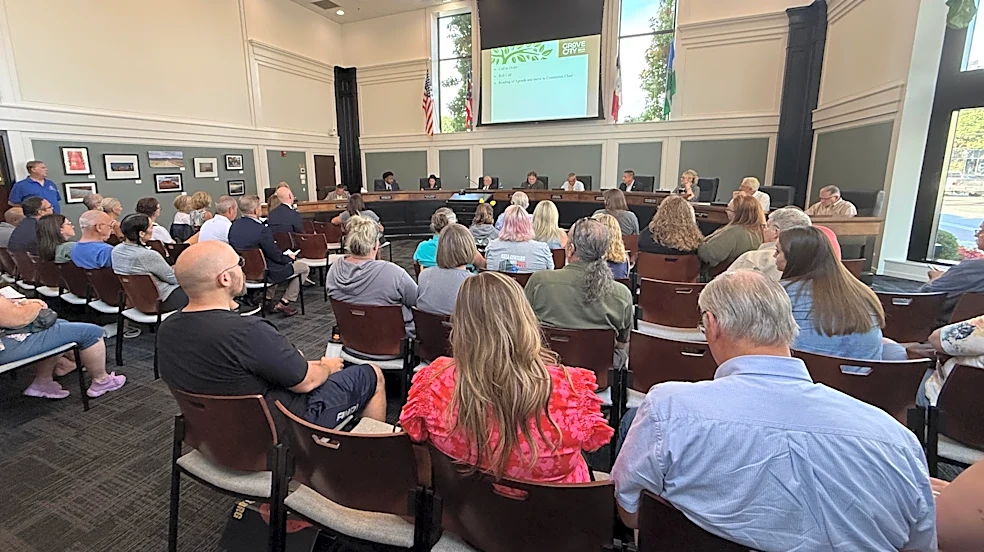
The Board of Mayor and Aldermen in Sevierville, Tennessee, has approved several grant applications totaling an estimated $775,000. Among these approvals is the application for the Patrick Leahy Bulletproof Vest grant, which seeks $25,000 through the Department
of Justice. This grant aims to reimburse 50% of the cost for ballistic vests for the city's police department. Sevierville Grant Specialist Holly Jones noted that the city applies for and receives this grant annually. Other significant approvals include a $500,000 grant from the U.S. Department of Transportation's PROTECT program for transportation improvements, a 100% funded grant for a study of rivers and transportation networks, and a Bureau of Justice Assistance FY 26 Rural Violent Crime Reduction Program grant of up to $250,000 to enhance the Sevierville Police Department's digital forensic capabilities. Additionally, a Public Entity Partners grant application for $5,000 for employee motor vehicle records checks was approved. The board also received an update on the new covered driving range at the Sevierville Golf Course, which went over budget but has seen increased revenue.
Why It's Important?
The approval of these grants is important for Sevierville as it directly impacts public safety, infrastructure development, and municipal services. The Patrick Leahy Bulletproof Vest grant ensures that law enforcement officers are equipped with essential protective gear, contributing to their safety and operational effectiveness. This annual grant highlights a consistent effort to support the police department's needs. The substantial U.S. Department of Transportation PROTECT grant and the river/transportation network study grant signify a commitment to improving the city's infrastructure, which can lead to enhanced economic activity, better connectivity, and increased resilience against environmental challenges. The grant for digital forensic capabilities will bolster the police department's ability to investigate violent crimes, potentially leading to higher clearance rates and a safer community. These funding injections, particularly those that are 100% funded or offer significant reimbursement, alleviate the financial burden on local taxpayers while allowing the city to undertake crucial projects and maintain vital services.
What's Next?
Following the approval of these grant applications, the city of Sevierville will proceed with the formal submission processes to the respective federal and state agencies. For the Patrick Leahy Bulletproof Vest grant, the city will seek reimbursement for 50% of the ballistic vest costs, continuing a program that has been annually successful. The U.S. Department of Transportation's PROTECT grant and the river/transportation network study will move into the planning and implementation phases, with the latter focusing on identifying minimally-invasive ways to improve the city's transportation system. The Bureau of Justice Assistance grant will enable the Sevierville Police Department to further expand its digital forensic capabilities, which is expected to enhance violent crime investigations. The city will also continue to monitor the financial performance of the Sevierville Golf Course's new driving range, which has already shown positive revenue impacts. The various approved grants and projects indicate a period of active development and improvement across multiple city departments and services.
Beyond the Headlines
The consistent application and approval of grants like the Patrick Leahy Bulletproof Vest grant underscore a broader trend in local governance where federal funding plays a critical role in supplementing municipal budgets for essential services. This reliance on external grants can create both opportunities and dependencies. While it allows smaller cities like Sevierville to access resources for projects they might not otherwise afford, it also ties local priorities to federal funding cycles and criteria. The focus on improving digital forensic capabilities within the police department reflects the increasing complexity of crime and the need for advanced technological tools in law enforcement, highlighting a shift towards more data-driven and technologically-equipped policing. Furthermore, the investment in transportation infrastructure and environmental studies points to a proactive approach to urban planning, aiming for sustainable growth and resilience in the face of modern challenges. These initiatives collectively contribute to the long-term livability and economic viability of the community, demonstrating how targeted grant funding can shape a city's future.