



What's Happening?
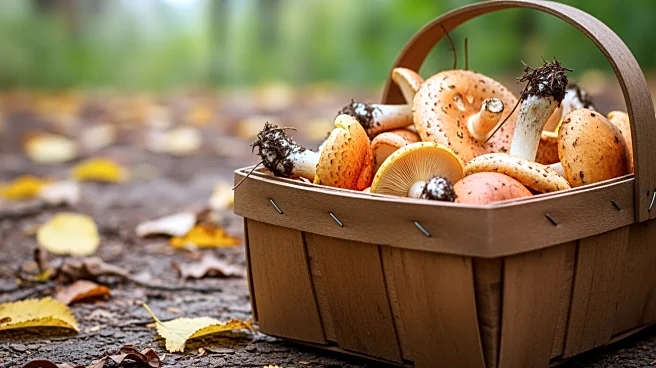
California has seen a rise in health incidents related to the consumption of wild mushrooms, particularly the death cap mushroom, Amanita phalloides. The cold and wet winter conditions have led to an increase in these fungi, resulting in at least 23 cases
of poisoning and one death this year. The death cap mushroom, which can cause severe liver damage and even death, is often mistaken for edible varieties. Experts warn that foraging for wild mushrooms can be dangerous without proper knowledge and identification skills.
Why It's Important?
The increase in mushroom-related poisonings highlights the need for public awareness and education on safe foraging practices. With the popularity of foraging as a recreational activity, there is a growing risk of accidental poisonings. This situation underscores the importance of expert guidance and the use of reliable resources for mushroom identification. The health risks associated with wild mushroom consumption could strain medical resources and lead to severe health outcomes for those affected.
What's Next?
Efforts to educate the public on safe foraging practices are crucial to prevent further incidents. Local mycological societies and experts are encouraged to provide training and resources for amateur foragers. Additionally, there may be a push for regulatory measures to control the sale and distribution of wild mushrooms. Public health campaigns could also play a role in raising awareness about the dangers of consuming unidentified mushrooms.
Beyond the Headlines
The cultural and recreational aspects of mushroom foraging are significant, as many people engage in this activity to connect with nature. However, the risks associated with foraging highlight the need for a balance between enjoyment and safety. This situation also raises questions about the role of technology in foraging, as reliance on AI for mushroom identification can be misleading and dangerous.