





What's Happening?
A nonprofit organization is urging New York City to enhance its measures to prevent the spread of Legionnaires' disease, as a cluster of cases continues to expand on the Upper East Side. The call to action comes as public health officials monitor the situation
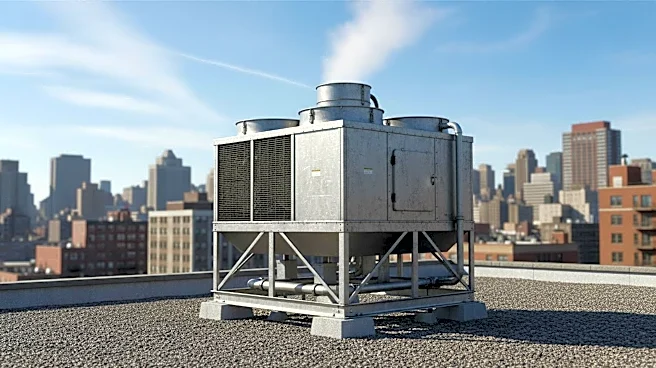
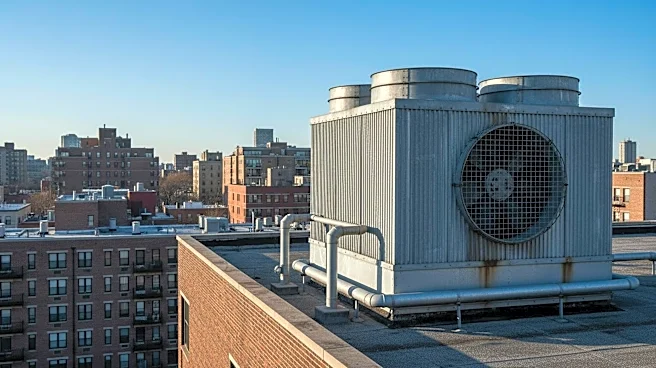
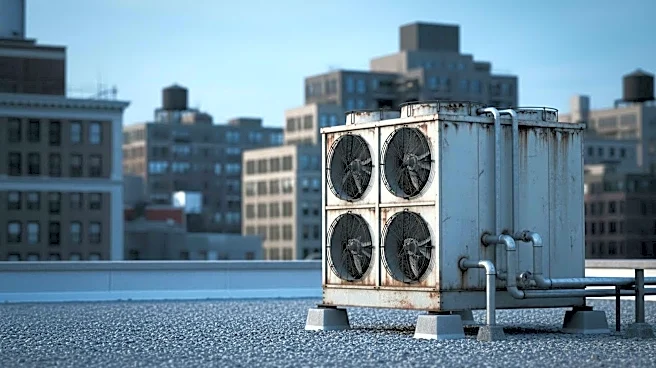
closely, aiming to contain the outbreak and prevent further cases. Legionnaires' disease, a severe form of pneumonia caused by the Legionella bacteria, is typically spread through mist from water sources like cooling towers and hot tubs. The disease can be particularly dangerous for older adults, smokers, and individuals with weakened immune systems. The nonprofit's appeal highlights the need for increased vigilance and preventive measures, such as regular inspections and maintenance of water systems, to mitigate the risk of further infections.
Why It's Important?
The growing cluster of Legionnaires' disease cases on the Upper East Side underscores the critical need for effective public health interventions in urban environments. The disease poses a significant health risk, particularly to vulnerable populations, and can lead to severe illness or death if not promptly addressed. The nonprofit's call for action emphasizes the importance of proactive measures to ensure public safety and prevent outbreaks. This situation also highlights the broader challenges cities face in maintaining infrastructure and public health systems capable of responding to such threats. Effective management and prevention strategies are essential to protect public health and prevent the economic and social disruptions that can result from disease outbreaks.
What's Next?
In response to the nonprofit's call, New York City officials may consider implementing more stringent regulations and inspection protocols for water systems, particularly in high-risk areas. Public health campaigns to raise awareness about the symptoms and prevention of Legionnaires' disease could also be intensified. Additionally, collaboration between city agencies, healthcare providers, and community organizations will be crucial in addressing the current cluster and preventing future outbreaks. Monitoring and reporting systems may be enhanced to ensure timely detection and response to new cases, thereby safeguarding public health.