






What's Happening?
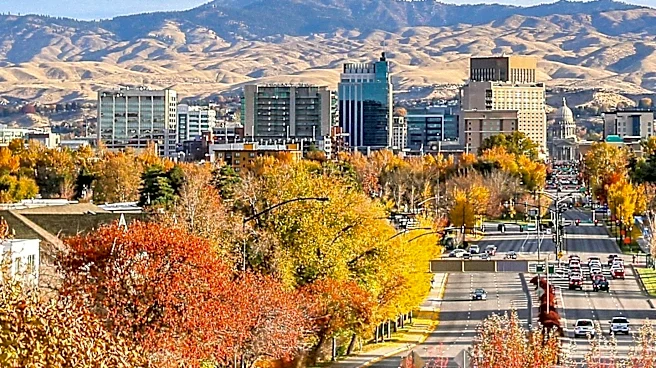
Idaho Governor Brad Little has announced that the state has returned a record-breaking $254.8 million to residents through the 2025 grocery tax credit. This marks the largest refund in Idaho's history, surpassing the previous year's total by $49 million.
The amount is expected to increase further as the Idaho State Tax Commission continues to process final claims for the tax year. This record relief follows Governor Little's signing of House Bill 231 into law in 2025, which expanded the grocery tax credit to provide more financial relief to families. The Governor emphasized that this initiative aims to directly address the rising cost of food and make living in Idaho more affordable for its citizens, particularly seniors. So far, 813,241 food tax credit claims for 2025 have been processed, totaling the announced amount.
Why It's Important?
This record grocery tax refund is significant for Idaho residents as it directly impacts household budgets, offering tangible relief from high food prices. The initiative reflects a broader state commitment to affordability, with Governor Little and the Legislature having delivered over $6.1 billion in total tax relief since he took office. For families and seniors, who are often most affected by inflationary pressures on essential goods like groceries, this refund can alleviate financial strain. It also signals the state's proactive approach to economic policy, aiming to ensure that residents retain more of their earnings. The increased refund amount compared to previous years demonstrates an enhanced effort to support the financial well-being of Idahoans, reinforcing the state's appeal as a place to live and work.
What's Next?
The Idaho State Tax Commission will continue processing remaining claims for the 2025 tax year, which means the total amount refunded to residents is likely to climb even higher. Governor Little is currently seeking a third term in the 2026 election, and his administration's focus on economic policies like tax relief and fostering a business-friendly environment is expected to remain a key theme. Future legislative sessions may see further discussions on tax credits and other measures aimed at enhancing affordability and economic growth within the state. The ongoing processing of claims will provide a final total for the 2025 grocery tax credit, offering a complete picture of the financial relief provided to Idahoans.
Beyond the Headlines
The record grocery tax refund in Idaho highlights a growing trend among state governments to implement direct financial relief measures to combat inflation and cost-of-living increases. This approach not only provides immediate economic benefits to citizens but also serves as a political strategy to demonstrate responsiveness to voter concerns about economic pressures. Such policies can influence migration patterns, attracting individuals and businesses to states perceived as more affordable and supportive. Furthermore, the emphasis on ensuring employers can invest and grow while preparing workers for new job opportunities suggests a comprehensive economic vision that balances immediate relief with long-term prosperity and workforce development. This dual focus aims to create a sustainable economic environment for Idaho residents.