



What's Happening?
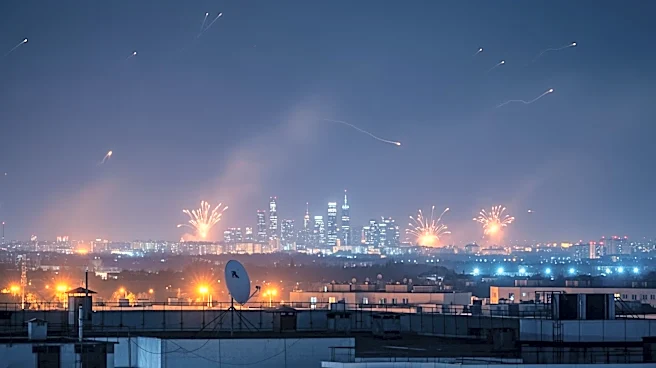
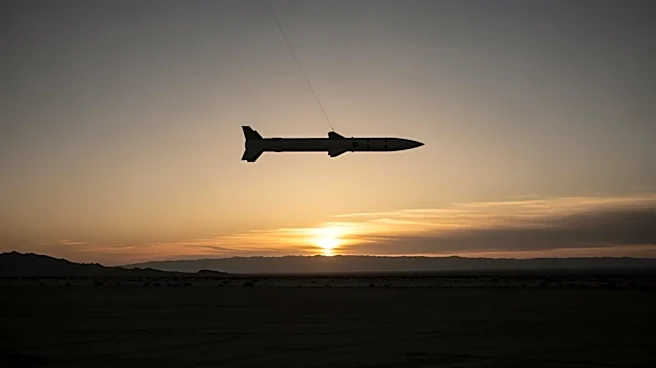
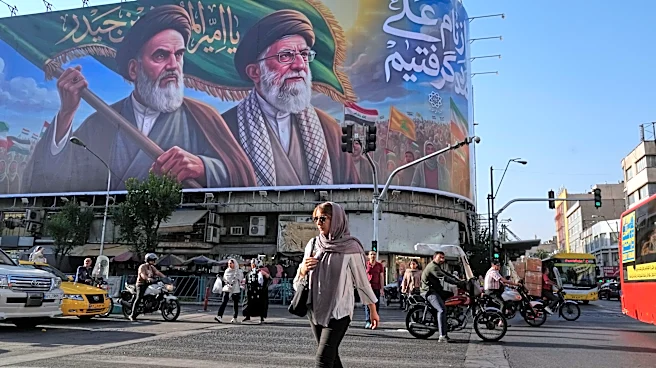
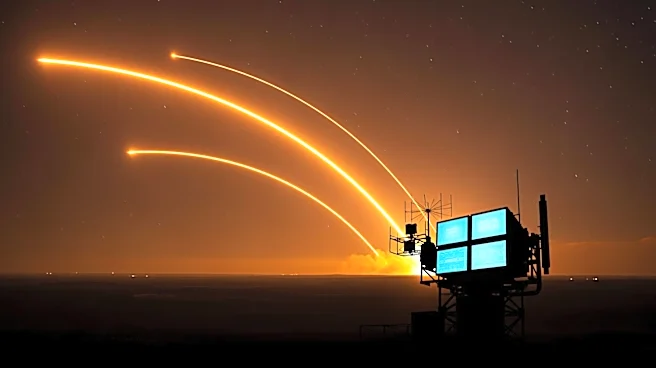
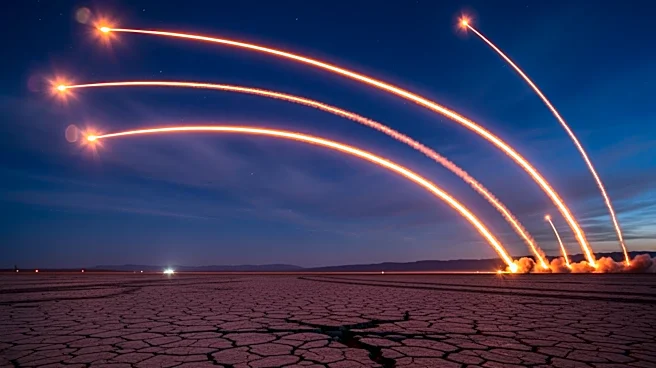
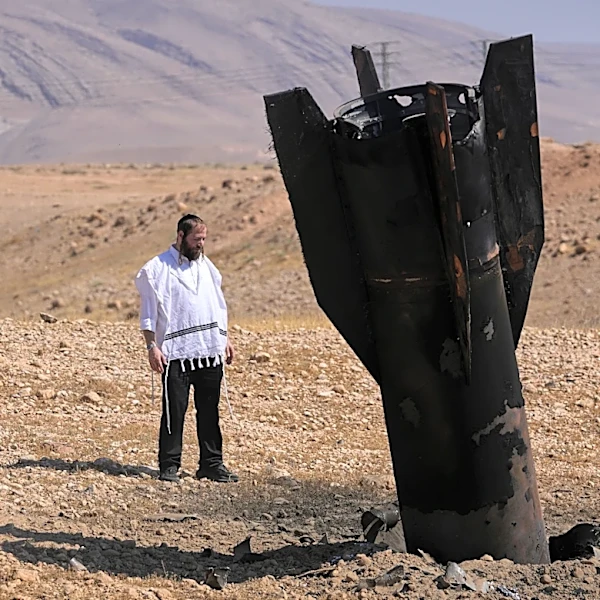
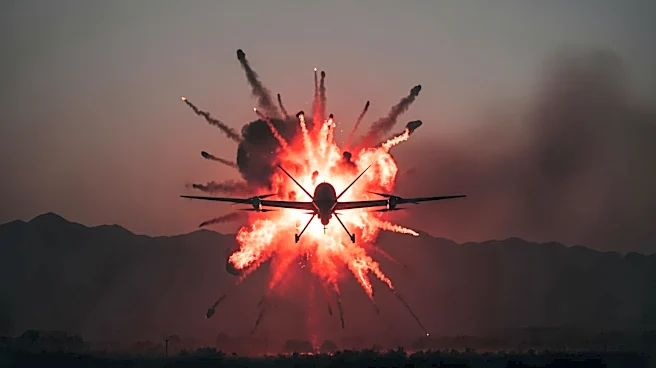
Iran has launched missiles at Israel, marking the first such attack since a fragile ceasefire was established in April. This escalation follows Israel's strike on Beirut's southern suburbs, which was in retaliation for Hezbollah's earlier rocket fire into
northern Israel. The missile attack by Iran complicates ongoing mediation efforts aimed at reaching a comprehensive peace deal to end the conflict in the Middle East. The situation remains tense as both sides continue to engage in military actions, despite the ceasefire agreement facilitated by U.S.-hosted talks.
Why It's Important?
The missile exchange between Iran and Israel highlights the volatility of the current ceasefire and the challenges in achieving a lasting peace in the region. Iran's actions underscore its strategic interests in Lebanon and its opposition to any peace deal that excludes its influence. The escalation threatens to derail diplomatic efforts and could lead to a broader conflict involving multiple regional actors. The international community, particularly the U.S., faces increased pressure to mediate and prevent further deterioration of the situation, which could have significant implications for regional stability and global security.
What's Next?
The continuation of hostilities raises concerns about the potential for a full-scale war in the Middle East. Diplomatic efforts, including those led by Pakistan and Egypt, are ongoing to bridge differences between the U.S. and Iran. The outcome of these negotiations will be critical in determining the future of the ceasefire and the broader peace process. Meanwhile, Israel's military readiness and Iran's strategic responses will be closely watched as indicators of the conflict's trajectory.