








What's Happening?
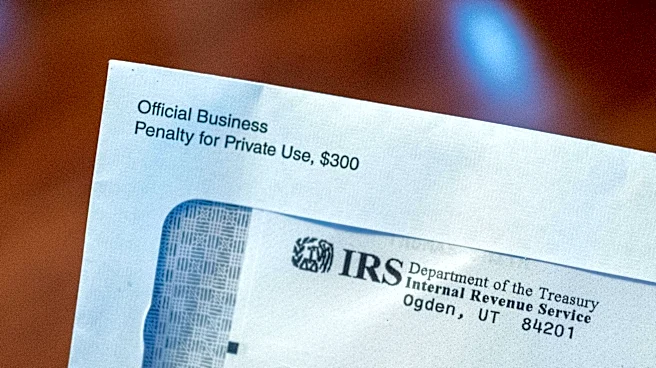
A 2025 law, the IRS Math and Taxpayer Help Act, designed to provide clearer explanations for math error adjustments on tax notices, requires an amendment. The current legislation, effective for notices sent after November 25 of this year, mandates that
the IRS specify the line on a federal return where an error occurred and provide a clear deadline for requesting a tax assessment abatement. However, the law does not address incorrect figures reported to the IRS by third parties such as employers, banks, or brokers. This omission means there is no formal process for taxpayers to dispute these third-party figures, assign responsibility for correction, or set a response deadline. The issue is becoming more critical with the advent of digital assets, as brokers began reporting gross proceeds on Form 1099-DA for 2025 sales and will add cost basis for covered assets sold in 2026. Misreporting in these areas can trigger automated IRS notices proposing additional tax, highlighting the need for a defined process to handle such discrepancies.
Why It's Important?
The lack of a formal process for disputing third-party reported tax figures creates significant challenges for U.S. taxpayers and the IRS. Without a clear mechanism, taxpayers may face undue tax assessments based on erroneous information they did not generate, leading to potential financial burdens and administrative complexities. This gap in the law undermines the intent of the IRS Math and Taxpayer Help Act to improve transparency and taxpayer assistance. The issue is particularly pertinent with the increasing complexity of financial transactions, including digital assets, where reporting errors can be frequent and substantial. An effective system for addressing these errors would enhance taxpayer trust, reduce disputes, and streamline the tax collection process. Conversely, without such a system, the IRS could face an increase in appeals and litigation, diverting resources and creating inefficiencies in tax administration.
What's Next?
To address the identified shortcomings, the IRS should implement a system that assigns a case number, an owner, and a response clock to documented data disputes before any tax is assessed. If a taxpayer challenges a figure on a third-party form, the IRS should verify the information before raising the tax bill. This process should include a shared correction history accessible to the taxpayer, the reporter, and the IRS, detailing when an error was flagged and how it was resolved. Congress should consider amending the law to specify protection from late-filing or late-payment penalties attributable to reporter delays when taxpayers promptly challenge errors. Additionally, the acknowledgment of a dispute should clearly identify deadlines for filing, amending, answering notices, challenging assessments, and making payments, ensuring statutory protections are maintained.
Beyond the Headlines
The absence of a clear dispute resolution process for third-party tax reporting errors highlights a broader challenge in the digital age: the reliance on automated systems and third-party data without robust mechanisms for human intervention and correction. This situation raises questions about due process and fairness in tax administration, as taxpayers can be penalized for errors beyond their control. The issue also underscores the need for greater collaboration between the IRS, financial institutions, and other reporting entities to ensure data accuracy. Long-term, this could drive the development of more sophisticated data validation and reconciliation tools, potentially leveraging advanced technologies to minimize errors at the source. The ethical implication is that the burden of proof and correction should not solely rest on the individual taxpayer when systemic data reporting issues are at play, necessitating a more proactive and responsive approach from tax authorities.