






What's Happening?
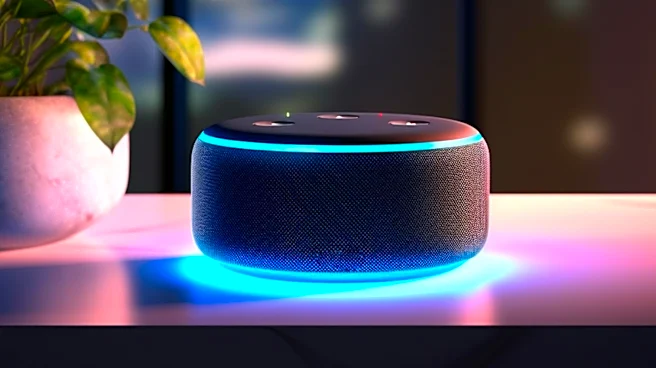
Amazon Echo speakers, known for their smart home integration and voice command capabilities, sometimes feature a 3.5mm auxiliary (AUX) port. This port's function varies by device generation and model. For instance, the fourth-generation Echo Dot primarily
uses its AUX port as an output, allowing users to connect the device to external speakers for improved audio quality. Conversely, the original Echo Studio is equipped with an AUX input, enabling it to receive audio from external devices like phones, tablets, or laptops via a 3.5mm auxiliary cable. The now-discontinued fourth-generation standard Echo also offered an AUX port that could be configured as either an input or an output through the Alexa app. While Bluetooth offers convenience, the AUX port provides a more direct audio connection, especially since Amazon tech does not support advanced Bluetooth codecs like aptX Adaptive, which could enhance wireless audio streams.
Why It's Important?
The inclusion and varying functionality of AUX ports on Amazon Echo devices are significant for consumers seeking flexible audio solutions within their smart home ecosystems. For users prioritizing audio fidelity over wireless convenience, the AUX output on models like the Echo Dot allows for an upgrade to larger, higher-quality external speakers, bypassing the limitations of Bluetooth audio compression. This is particularly relevant given that Amazon Echo devices do not support advanced Bluetooth codecs, meaning a wired connection can offer a superior listening experience. The AUX input feature, found on devices like the original Echo Studio, expands the Echo's utility by allowing it to act as a central audio hub for various non-Bluetooth-enabled or preferred wired audio sources. This flexibility caters to a broader range of user preferences and existing audio equipment, enhancing the overall value proposition of the Echo ecosystem beyond its core smart assistant functions.
What's Next?
Future iterations of Amazon Echo devices will likely continue to evolve their audio connectivity options based on consumer demand and technological advancements. While newer Echo Show models have removed the AUX port, and current Echo smart speakers lack it, there remains a segment of users who value wired audio connections for quality or compatibility reasons. Amazon may consider reintroducing or enhancing wired connectivity options, such as USB-C, in future high-end Echo speakers to cater to audiophiles or those with specific integration needs. The ongoing development of wireless audio technologies and codecs could also influence Amazon's strategy, potentially leading to improved Bluetooth performance that might reduce the perceived need for AUX ports. However, for the foreseeable future, users interested in wired audio for their Echo devices will need to seek out specific older-generation models that still offer these features.
Beyond the Headlines
The strategic decisions Amazon makes regarding connectivity features like AUX ports reflect broader trends in consumer electronics, balancing convenience with performance and cost. The move away from AUX ports in some newer Echo models suggests a prioritization of wireless ecosystems and streamlined design, aligning with the general industry shift towards wireless solutions. However, this also highlights a potential gap for users who prefer or require wired connections, whether for latency, audio quality, or compatibility with legacy equipment. The absence of advanced Bluetooth codecs in Amazon's current offerings further underscores this point, positioning wired connections as a practical alternative for superior audio. This ongoing tension between wireless convenience and wired performance will continue to shape product development, influencing how consumers integrate smart devices into their homes and interact with their media.