







What's Happening?
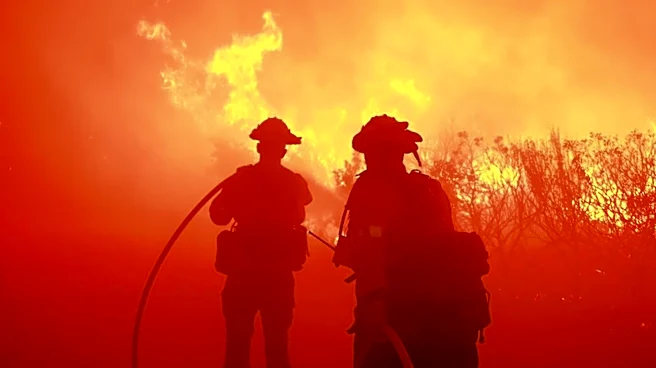
The Department of the Interior (DOI) is actively recruiting for several critical positions, including Supervisory Wildland Firefighter (Wildland Fire Operations Specialist), Supervisory Wildland Firefighter (Veteran Hand Crew Superintendent), and Park
Manager (Deputy Superintendent). These roles are open to U.S. citizens and require specific qualifications, including prior wildland firefighting experience for the fire-related positions and specialized management experience for the park manager role. Applicants for fire positions must meet National Wildfire Coordinating Group (NWCG) qualification requirements, such as Task Force Leader (TFLD) and Incident Commander Type 4 (ICT4) or Type 3 (ICT3), or Firing Boss (FIRB), and pass a work capacity test. The DOI is utilizing Direct Hiring Authority for some of these positions, meaning traditional veteran's preference and rating/ranking processes may not apply. Applications are being accepted through USAJOBS, and candidates may have their information shared with other DOI bureaus with similar vacancies. The positions involve demanding physical conditions, frequent travel, and require adherence to federal employment suitability standards, including background checks and drug testing.
Why It's Important?
These recruitment efforts are crucial for maintaining and enhancing the operational capabilities of the Department of the Interior, particularly in areas vital to national safety and resource management. The demand for skilled wildland firefighters is consistently high, especially given the increasing frequency and intensity of wildfires across the U.S. Filling these supervisory roles ensures experienced leadership in fire suppression and prevention, directly impacting the protection of natural resources, communities, and infrastructure. Similarly, the recruitment of park managers is essential for the effective administration and preservation of national parks and public lands, which are significant economic drivers through tourism and provide critical ecological services. The emphasis on veteran hand crew superintendents also highlights an initiative to leverage the skills and dedication of veterans, providing them with meaningful employment opportunities while addressing critical national needs. The successful staffing of these positions contributes to the overall resilience and preparedness of federal land management agencies.
What's Next?
The application period for these positions extends until October 2, 2026. Interested candidates are required to submit a complete application package through USAJOBS, including detailed resumes outlining their experience and qualifications. For wildland firefighter roles, applicants must provide documentation of their NWCG qualifications. Those claiming Career Transition Assistance Plan (CTAP) or Interagency Career Transition Assistance Plan (ICTAP) eligibility must submit proof of their status. After the closing date, applications will be reviewed by Human Resources to determine minimum qualifications, and eligible candidates will be referred to hiring managers for consideration. Interviews may be conducted on a pass/fail basis. Selected candidates will undergo background investigations, drug tests, and medical examinations, and may be subject to a one-year probationary period. The DOI may offer recruitment or relocation incentives on a case-by-case basis, and some positions may require occupancy of government quarters or frequent travel.
Beyond the Headlines
The ongoing recruitment for wildland firefighters and park managers underscores broader challenges and priorities within federal land management. The physically demanding nature and inherent risks of wildland firefighting highlight the need for robust support systems, including competitive compensation and comprehensive health benefits, to attract and retain qualified personnel. The use of Direct Hiring Authority for some roles reflects an urgent need to streamline the hiring process to address critical staffing shortages, particularly in specialized fields like wildland fire management. Furthermore, the focus on veteran hand crew superintendents points to a strategic effort to integrate military veterans into the federal workforce, recognizing their valuable leadership and operational skills. These efforts are part of a larger national strategy to adapt to evolving environmental challenges, such as climate change-driven wildfires, and to ensure the continued stewardship of America's natural and cultural heritage for future generations.