

What's Happening?
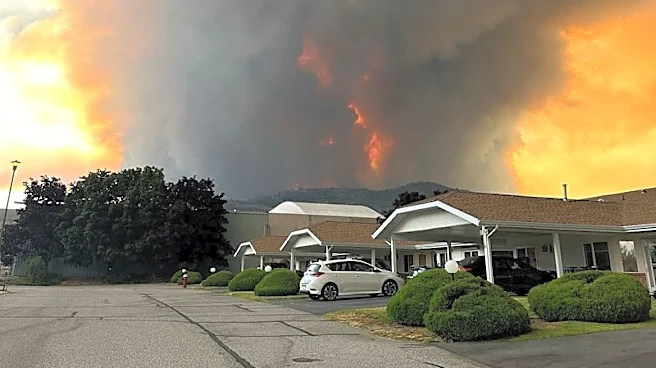
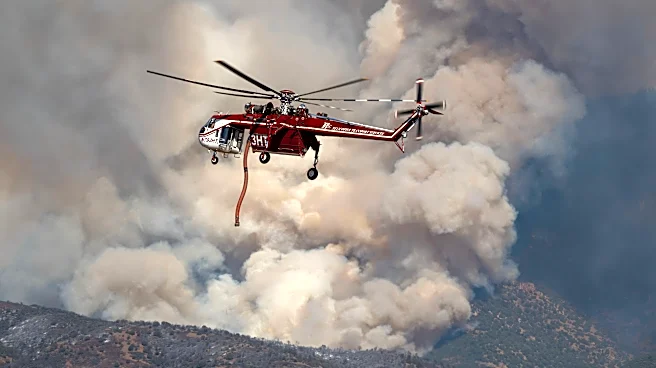
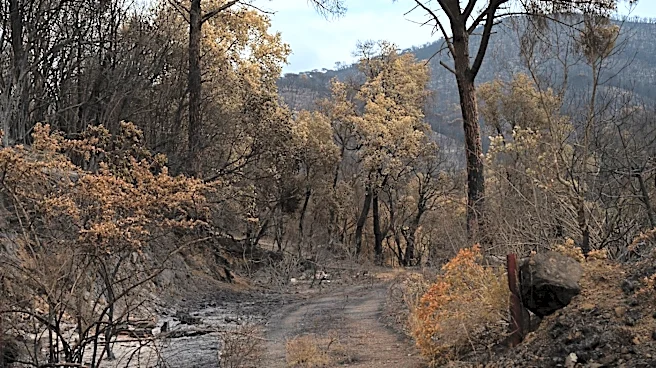
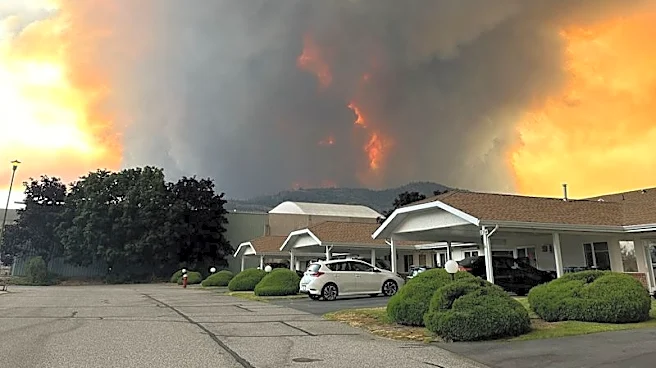
Wildfires are currently raging across the western United States and Canada, prompting mass evacuations. In British Columbia, Canada, over 20,000 residents have been forced to evacuate due to a fast-moving wildfire near Okanagan Lake. The Bald Range wildfire has
particularly affected the communities of Summerland and Peachland, leading to a state of emergency declaration. In the United States, areas north of Spokane, Washington, are also on high alert, with residents in towns like Malden and Rosalia being advised to evacuate. The situation is compounded by the tragic death of two helicopter pilots in Utah, who were killed while fighting a wildfire in Fishlake National Forest.
Why It's Important?
The wildfires highlight the increasing frequency and intensity of such natural disasters, likely exacerbated by climate change. The evacuations and destruction of homes underscore the immediate threat to human life and property. The situation also stresses emergency response systems and resources, as seen in the need for federal assistance in Canada. Economically, the fires can lead to significant losses in property and infrastructure, affecting local economies and insurance industries. The tragic loss of life among firefighters further emphasizes the dangers faced by those combating these blazes.
What's Next?
Authorities are likely to continue monitoring the fires closely, with potential for further evacuations if conditions worsen. Efforts to contain the fires will continue, involving both local and federal resources. The investigation into the helicopter crash in Utah will proceed, potentially leading to safety reviews and changes in firefighting protocols. Long-term, there may be increased calls for policies addressing climate change and improved disaster preparedness.