





What's Happening?
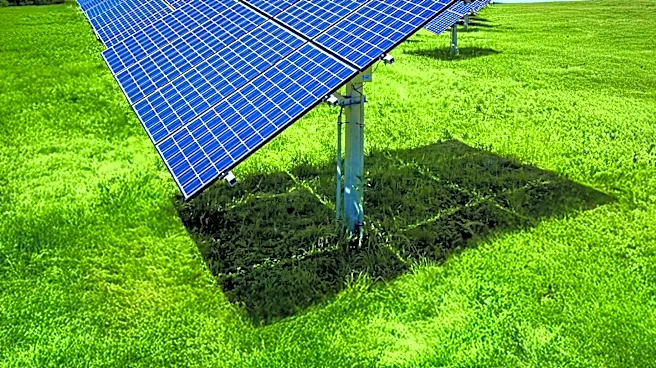
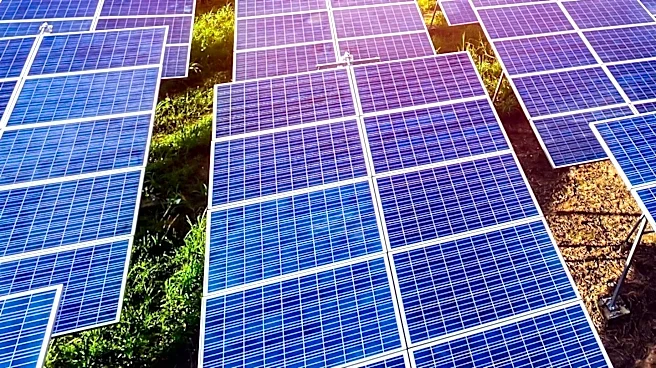
Several U.S. states are advancing their solar energy policies to address rising electricity demand and improve grid reliability. New York, Maryland, and Virginia are among the states implementing significant legislative measures to promote solar energy and storage.
New York has invested $200 million into the NY-Sun program, which incentivizes rooftop and community solar installations. Maryland's Utility Relief Act has doubled the state's net metering cap, allowing more solar installations. Virginia has introduced comprehensive energy packages to facilitate solar deployment and expand energy storage targets. These initiatives are part of broader efforts to reduce electricity costs and enhance grid reliability.
Why It's Important?
The expansion of solar incentives and energy storage is crucial for meeting the increasing electricity demand in the U.S. These measures not only aim to lower electricity costs for consumers but also support job creation in the renewable energy sector. By investing in solar and storage, states can reduce reliance on traditional energy sources, decrease greenhouse gas emissions, and improve energy security. The legislative actions taken by states like New York, Maryland, and Virginia demonstrate a commitment to sustainable energy solutions, which could serve as a model for other states facing similar energy challenges.
What's Next?
As these states continue to implement their solar and energy storage policies, other states may follow suit, potentially leading to a nationwide shift towards renewable energy. The success of these programs could influence federal energy policy and encourage further investment in clean energy technologies. Stakeholders, including policymakers, industry leaders, and environmental advocates, will likely monitor the outcomes of these initiatives to assess their impact on energy costs and grid reliability. Continued collaboration between state governments and the solar industry will be essential to achieving long-term energy goals.