





What's Happening?
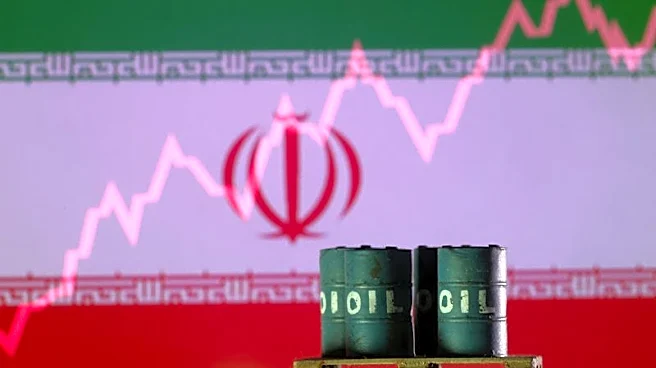
Iran and Qatar have resumed maritime trade after a five-month suspension, as reported by Iranian state media. This development follows a recent agreement between Washington and Tehran that ended hostilities after a four-month conflict. The agreement also
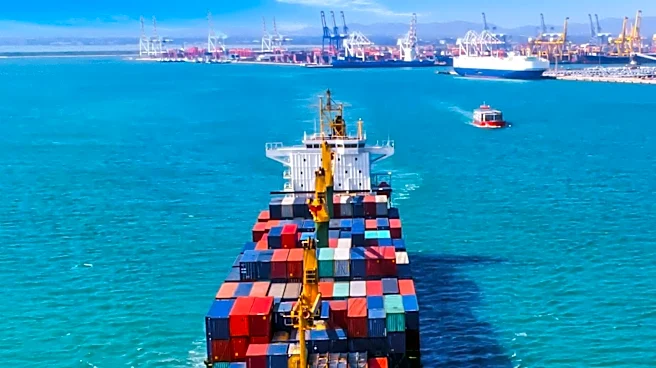
called for the restoration of pre-war maritime traffic in the Gulf, although transit issues remain unresolved. Abbas Abdolkhani, Iran's Commercial Attache in Doha, confirmed that shipping between Iran's Dayyer Port and Qatar's Al Ruwais Port has recommenced. Coordination for this resumption was facilitated by the Iranian Embassy in Doha with Qatari authorities. The ports involved are primarily regional, with Dayyer Port having historical significance due to attacks during World War II. Additionally, Iranian goods have been cleared at the United Arab Emirates' Jebel Ali port, indicating a gradual return to normal trade relations in the region.
Why It's Important?
The resumption of maritime trade between Iran and Qatar is significant as it marks a step towards stabilizing economic relations in the Gulf region following recent conflicts. This development could potentially ease tensions and foster economic cooperation between the involved nations. For the U.S., the agreement with Iran represents a diplomatic achievement that could lead to more stable geopolitical dynamics in the Middle East. The restoration of trade routes is crucial for regional economies that rely heavily on maritime commerce. Businesses and industries in both Iran and Qatar stand to benefit from the renewed trade, potentially leading to economic growth and increased regional integration.
What's Next?
While the resumption of trade is a positive development, unresolved transit issues in the Gulf could pose challenges. Stakeholders, including political leaders and businesses, will likely focus on ensuring the stability and security of these trade routes. Further diplomatic efforts may be necessary to address any remaining disputes and to solidify the terms of the U.S.-Iran agreement. Monitoring the situation will be crucial for international observers and regional partners to ensure that the progress made is sustainable and beneficial for all parties involved.