
What's Happening?
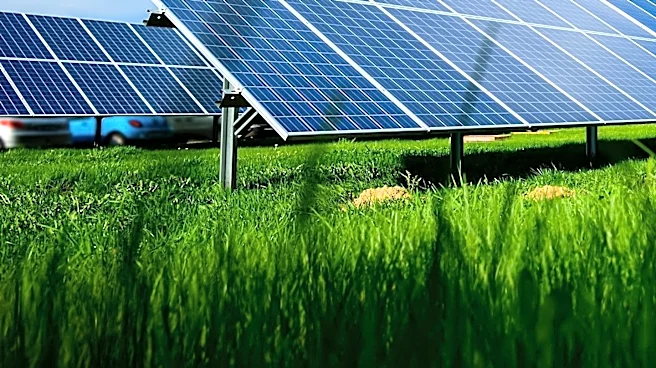
Canada is pursuing a vision to achieve a fully electrified, net-zero economy by 2050, which necessitates doubling its electricity supply. A key component of this strategy involves rapidly scaling up renewable
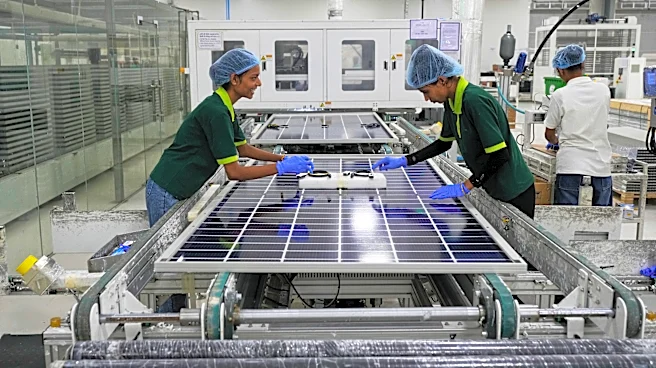
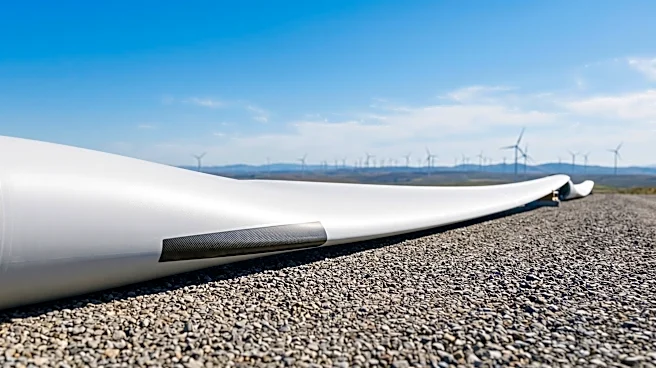
energy sources like wind, solar, and battery storage, which are now considered the lowest-cost options globally. The Pembina Institute highlights that while renewables are cost-effective and quick to deploy, some provinces, such as Alberta and Saskatchewan, are implementing policies that disadvantage renewable energy development and prioritize fossil fuels. Conversely, other regions like the Atlantic provinces, Ontario, Quebec, and British Columbia are gaining momentum through initiatives like Memorandums of Understanding for electricity system integration, competitive power procurement rounds favoring clean energy, and significant inter-provincial agreements. The federal government has committed financial and regulatory support for five new interties to connect provincial grids, aiming to reduce reliance on electricity trade with the United States.
Why It's Important?
Doubling Canada's electricity supply with a focus on clean energy is crucial for achieving its net-zero targets and building a sustainable energy economy. This transition is expected to attract significant global investment, as clean energy investment already substantially outweighs fossil fuel investment worldwide. The development of effective provincial interties and the scaling up of renewables across all jurisdictions are vital for enhancing energy security and economic strength. By connecting east-west grids rather than solely north-south, Canada aims to reduce its dependency on the volatile United States energy market. This shift is projected to create new jobs, stimulate investments, and improve affordability for Canadians. However, the success of this undertaking hinges on overcoming significant financial and policy challenges, including an estimated $1 trillion investment by 2050 and the need for provincial and territorial alignment on clean energy goals.
What's Next?
To realize its 2050 goals, Canada must address several critical areas. Provincial and federal leaders need to continue collaborating to build new interties and remove regulatory barriers that hinder electricity collaboration. A national framework for transmission is required, along with efforts to shorten timelines and reduce red tape for infrastructure approvals. Provinces must create attractive investment environments for renewable energy projects through mechanisms like tax credits, loan guarantees, and streamlined procurement processes. Policies need to be put in place to limit and eventually eliminate coal use. Furthermore, Canada needs to determine the role of nuclear power in this transition, address how provinces like Alberta will reconcile their promotion of natural gas with national clean energy goals, and find ways to scale up investment while protecting affordability. The federal, provincial, and territorial governments must work together to accelerate infrastructure buildout to meet rapidly growing electricity demand from transportation, building electrification, and new industries.
Beyond the Headlines
Canada's ambitious plan to double its electricity supply and achieve net-zero by 2050 underscores a fundamental shift in global energy paradigms. The emphasis on inter-provincial grid connections reflects a strategic move towards greater energy sovereignty and resilience, reducing vulnerability to external market fluctuations. The varying approaches among provinces highlight the complexities of implementing national energy policies within a federated system, where regional economic interests and political priorities can diverge. The challenge extends beyond technical feasibility to include the ability of governments, regulators, utilities, Indigenous partners, and investors to finance, approve, and build the necessary infrastructure quickly enough. This nation-building project has the potential to redefine Canada's economic identity, positioning it as a leader in clean energy and fostering innovation in sustainable technologies, while also addressing the ethical considerations of transitioning away from traditional energy sectors and supporting affected communities.