





What's Happening?
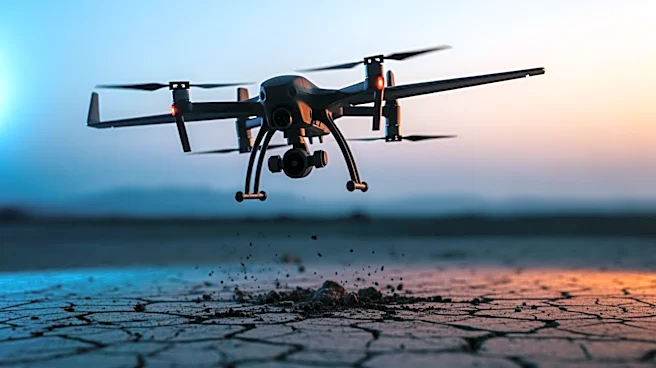
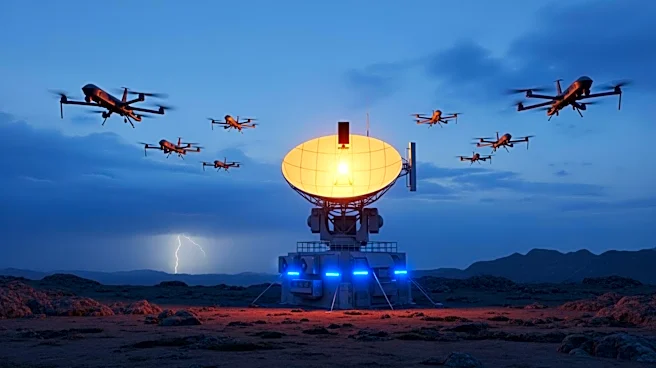
Ukrainian forces are successfully intercepting approximately 90% of Russian drones in ongoing attacks, according to Air Chief Marshal Harvey Smyth of the UK Royal Air Force. This high interception rate is achieved despite the intensity of Russian drone bombardments.
The UK, which has been assisting Ukraine in developing its counter-drone capabilities, is now learning from Ukraine's effective defense strategies. Ukrainian forces have intercepted nearly 6,000 missiles and drones, with interception rates reaching up to 95% during peak attacks. The UK and NATO allies are using these insights to refine their own drone warfare strategies.
Why It's Important?
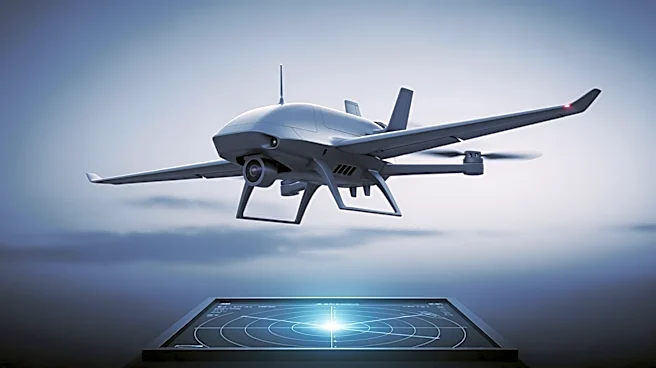
Ukraine's success in intercepting Russian drones highlights the effectiveness of its air defense systems and offers valuable lessons for NATO allies facing similar threats. The ability to counter drone attacks is crucial for maintaining national security and protecting critical infrastructure. The UK's interest in Ukraine's strategies indicates a shift in military tactics to address modern warfare challenges, particularly the increasing use of drones. This collaboration could lead to advancements in drone defense technologies and improved military readiness among NATO countries.
What's Next?
The UK and other NATO members are expected to continue studying Ukraine's defense tactics to enhance their own capabilities. This may involve increased investment in drone detection and interception technologies, as well as joint training exercises to improve readiness. The ongoing conflict in Ukraine serves as a testing ground for new military strategies, which could influence future defense policies and procurement decisions. As drone warfare becomes more prevalent, countries will need to adapt quickly to protect their airspace and infrastructure.