






What's Happening?
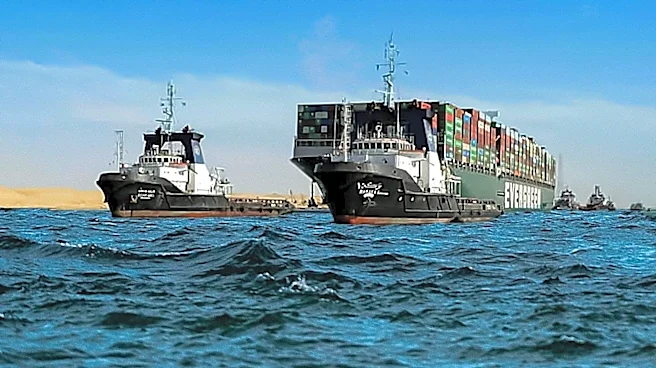
A large convoy of at least nine tankers and four cargo vessels is preparing to traverse the Northern Sea Route, escorted by nuclear icebreakers. This route offers Russia a strategic alternative for transporting crude oil and LNG to Asian markets, bypassing
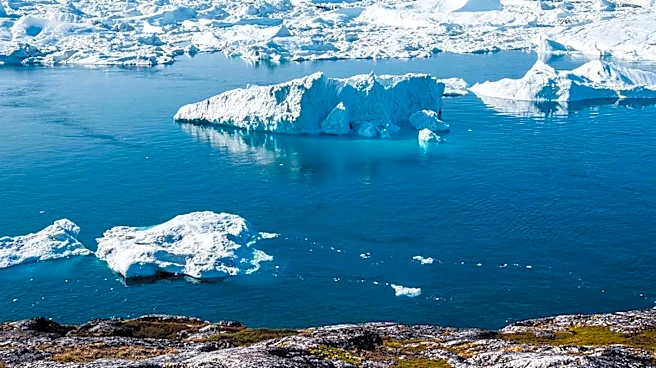
'unfriendly' countries and avoiding Ukrainian drone threats. The convoy, which includes the oil tankers Jupiter, Vostochny Prospect, and Saga, is currently waiting in the Kara Sea for icebreaker assistance. Despite the potential for increased trade, the route remains perilous due to unpredictable weather and sea ice conditions.
Why It's Important?
The use of the Northern Sea Route highlights Russia's efforts to diversify its export routes amidst international sanctions and geopolitical tensions. By increasing shipments to China via this Arctic passage, Russia aims to strengthen its economic ties with Asia and reduce dependency on traditional European markets. However, the limited number of icebreakers and the challenging conditions pose significant risks to large-scale expansion. This development also underscores the strategic importance of the Arctic region in global trade and geopolitics, as countries vie for control over these emerging routes.
What's Next?
As Russia continues to develop its Arctic infrastructure, the Northern Sea Route may see increased traffic, necessitating further investment in icebreaker fleets and emergency preparedness. The success of these convoys could encourage other nations to explore similar routes, potentially leading to increased international competition in the Arctic. Additionally, environmental concerns related to increased shipping activity in this fragile ecosystem may prompt calls for stricter regulations and oversight.