







What's Happening?
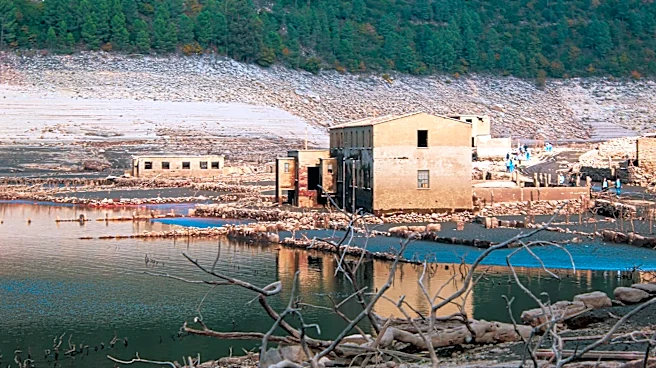
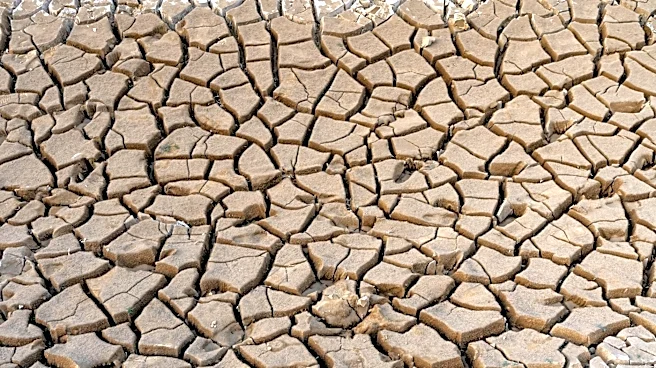
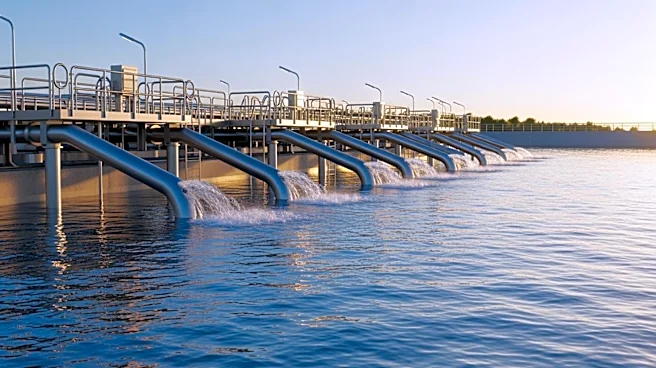
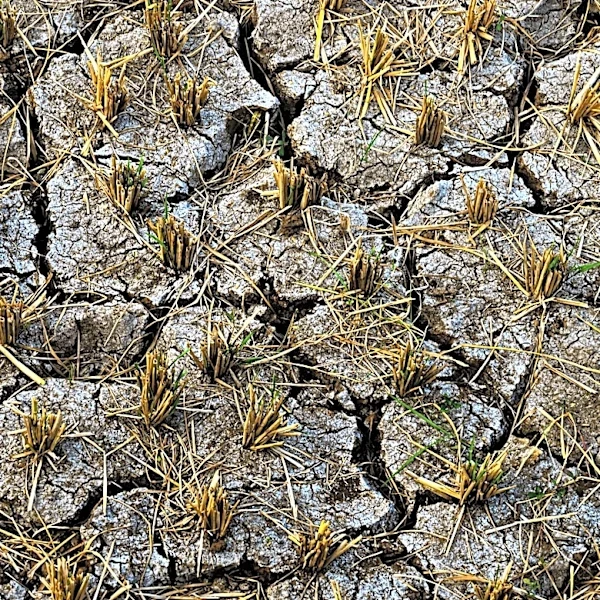
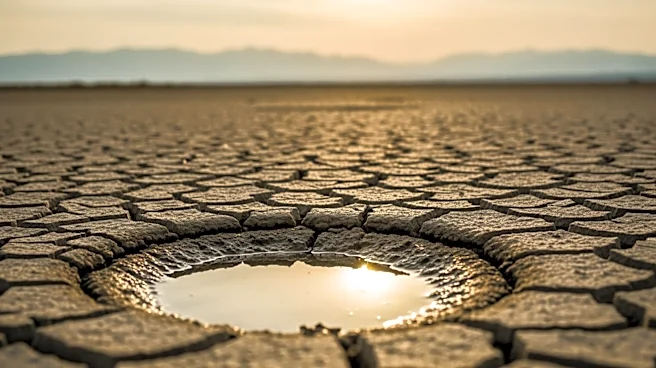
Morocco is advancing its strategy to source 60% of its drinking water from the ocean by 2030, as part of a broader effort to address water scarcity exacerbated by climate change. The country is constructing Africa's largest desalination plant near Casablanca,
which will be powered entirely by renewable energy from a wind farm. This initiative is part of a $14 billion national water plan that includes building dams, reusing wastewater, and creating 'water highways' to transport surplus rainfall to drier regions. The Casablanca plant, expected to be operational in phases by 2028, will provide drinking water to 7.5 million people and irrigate 20,000 acres of farmland. Despite the promise of desalination, the process remains costly and environmentally challenging, particularly due to the production of brine, which can harm marine ecosystems if not properly managed.
Why It's Important?
The development of desalination technology in Morocco is significant as it offers a potential solution to water scarcity issues that many African nations face. By leveraging renewable energy, Morocco aims to reduce the environmental impact of desalination, which traditionally relies on fossil fuels. This approach not only addresses immediate water needs but also aligns with global efforts to combat climate change. The success of Morocco's strategy could serve as a model for other countries in Africa, where agriculture heavily depends on rainfall. However, the high cost of desalination poses a challenge, particularly for smallholder farmers who may not afford the higher water prices. The initiative underscores the need for public-private partnerships and targeted subsidies to make desalinated water accessible and affordable.
What's Next?
As Morocco continues to develop its desalination infrastructure, the focus will likely be on ensuring the economic viability and environmental sustainability of these projects. The country plans to integrate new desalination plants with renewable energy sources to minimize carbon emissions. Additionally, Morocco's experience and strategies will be shared with other African nations through forums like the World Water Congress, promoting regional cooperation in water management. The success of these efforts will depend on continued investment, technological advancements, and policy support to ensure that desalination can be a sustainable solution for water-scarce regions across Africa.
Beyond the Headlines
The broader implications of Morocco's desalination strategy include potential shifts in agricultural practices and economic structures in water-scarce regions. By providing a reliable water source, desalination could enable more consistent agricultural output, supporting food security and economic stability. However, the environmental impact of brine disposal remains a concern, highlighting the need for stringent regulations and innovative solutions to mitigate ecological damage. The initiative also raises questions about equity and access, as the cost of desalinated water may limit its availability to wealthier regions or industries, potentially exacerbating existing inequalities.