






What's Happening?
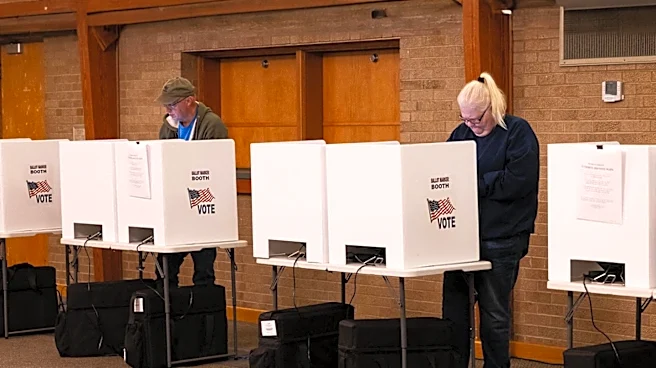
Juneau residents are preparing to vote on Propositions A, B, and C on the upcoming October municipal ballot. These propositions propose changes to the city's tax structure. If passed, the measures would likely maintain the current 5% sales tax rate. Additionally,
the median Juneau homeowner could see an increase of approximately $150 in property tax in 2027 compared to 2026, should the previous 10.24 mill rate be reinstated. The proposals also include a 1% increase in tax on certain purchases, specifically from April to September, though food and utilities would remain exempt from this additional tax. The changes are presented as an investment in community infrastructure and services, including playgrounds, pools, cabins, chairlifts, schools, and soccer fields, which are seen as vital to the community's well-being and quality of life.
Why It's Important?
These ballot propositions are important because they directly impact the financial burden on Juneau residents and the funding available for essential public services and infrastructure. The proposed tax adjustments aim to secure investments in community assets that contribute to the unique lifestyle and social fabric of Juneau. For young families and workers, the outcome of this vote could influence their decision to remain in or move to Juneau, as affordability is a significant concern. The debate highlights a broader discussion about how to retain and grow the city's population and workforce. The propositions represent the primary financial policy adjustments available at the municipal level to address these challenges, emphasizing local control over fiscal matters in the absence of state-level tax reforms.
What's Next?
Juneau residents will cast their votes on Propositions A, B, and C in October. The outcome of this municipal election will determine the future tax structure for the city, including sales tax rates and property tax implications for homeowners. If the propositions pass, the changes to property tax would likely take effect in 2027, and the additional sales tax on certain purchases would be implemented from April to September. The community will then observe how these financial adjustments impact the funding and maintenance of public facilities and services. The discussion around these propositions may also influence future conversations about state-level tax reforms, such as closing oil and gas tax loopholes or adopting a progressive personal income tax, which could alleviate financial pressure on municipal governments like Juneau.
Beyond the Headlines
The debate surrounding Juneau's Propositions A, B, and C extends beyond mere tax adjustments, touching upon the community's values and its commitment to collective well-being. The emphasis on investing in public spaces like playgrounds, pools, and schools reflects a belief that these shared resources are fundamental to the city's identity and its ability to foster a supportive environment. This situation highlights the ongoing challenge for many smaller, unique communities in balancing fiscal responsibility with the desire to maintain a high quality of life and retain residents. It also underscores the tension between local financial autonomy and the potential for broader state-level policies to impact municipal budgets and residents' financial health. The vote will serve as a barometer of the community's willingness to collectively invest in its future, even if it means increased personal financial contributions.