



What's Happening?
Newly declassified British military files have exposed connections between the use of torture by British forces in Oman and Northern Ireland during the 1970s. These documents reveal that an army major, John Burgess, who led severe interrogations in the Gulf,
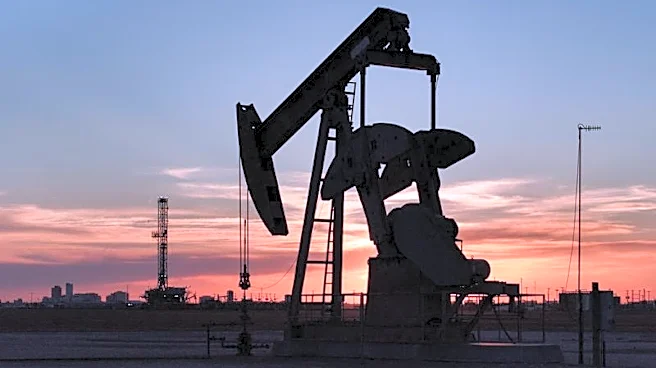
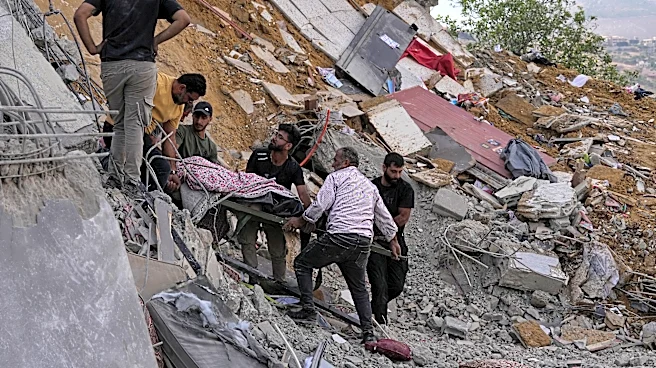
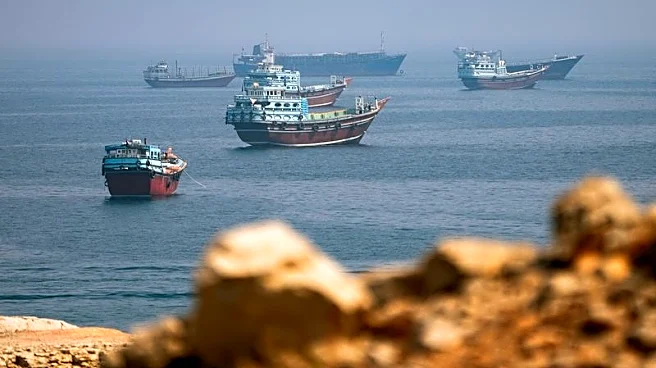
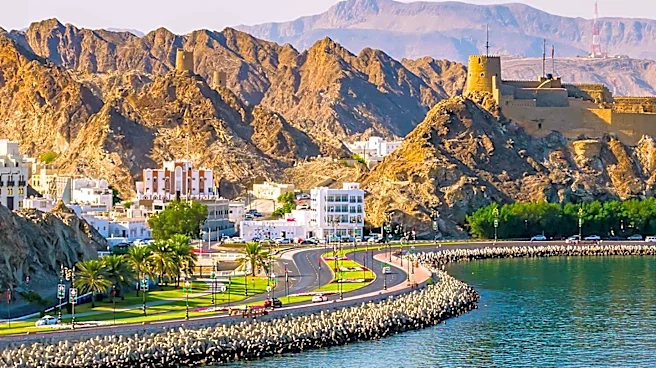
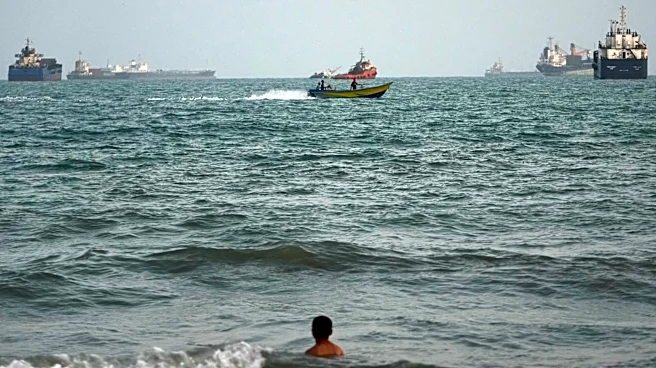
later held a senior role in a secretive intelligence unit in Northern Ireland during the Troubles. The interrogations in Oman were part of a counter-insurgency campaign supporting Sultan Qaboos, a pro-British dictator installed after an MI6-backed coup in 1970. The UK's involvement was driven by a desire to secure oil shipments through the Strait of Hormuz. British planners assisted Qaboos in annexing Musandam in 1970, an act resisted by the indigenous Shihuh people. Elite SAS troops were deployed to Musandam in December 1970 to apprehend suspected rebels. Detainees were subjected to methods such as sensory deprivation, including hooding and bombardment with noise, with one interrogation lasting 84 hours. These techniques were later applied in Northern Ireland, where 14 individuals were subjected to similar 'five techniques' during Operation Calaba in August 1971, leading to one detainee's premature death.
Why It's Important?
This revelation is significant as it uncovers a previously concealed aspect of British military history and its involvement in human rights abuses. The documents highlight how interrogation methods developed and refined in one conflict zone were subsequently transferred and applied in another, demonstrating a systemic approach to coercive questioning. The British government's efforts to obscure these activities, particularly by making vague references to the 'Persian Gulf' instead of explicitly naming Oman, underscore a deliberate attempt to avoid parliamentary scrutiny and public accountability. The use of such extreme methods, which were later deemed illegal under domestic law by Lord Parker's inquiry, raises serious questions about the ethical boundaries of military intelligence and counter-insurgency operations. The long-term impact on the victims and the communities affected by these interrogations, both in Oman and Northern Ireland, is profound, contributing to historical grievances and distrust in governmental institutions.
What's Next?
The declassification of these documents may lead to renewed calls for investigations into historical human rights abuses committed by British forces. Activist groups and human rights organizations are likely to press for greater transparency and accountability regarding these past actions. The Pat Finucane Centre in Derry has already commented on the relevance of these documents to current events in the Strait of Hormuz, suggesting that the historical context of securing oil supplies through coercive means remains pertinent. There could be further academic research and journalistic inquiries into the full extent of these interrogation practices and their broader implications for international law and ethical warfare. The revelations might also influence ongoing discussions about state secrecy and the public's right to know about government actions, particularly those involving sensitive military and intelligence operations.
Beyond the Headlines
The deeper implications of these findings extend to the ethical and legal frameworks governing military conduct and intelligence gathering. The transfer of interrogation techniques from Oman to Northern Ireland suggests a standardized, albeit clandestine, approach to suppressing dissent and securing strategic interests. The fact that military psychiatrists warned of severe psychological harm, including 'hysterical' dissociations and suicidal ideation, even in training scenarios, highlights a profound disregard for human welfare in the pursuit of intelligence. This historical context sheds light on the long-standing debate about the effectiveness versus the morality of torture. The deliberate concealment of Oman's role from parliamentary inquiries also points to a culture of impunity and a lack of democratic oversight over intelligence operations, raising concerns about the checks and balances within government structures when national security interests are invoked.