








What's Happening?
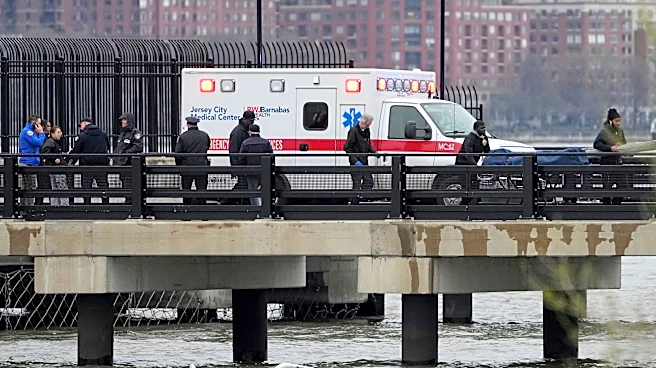
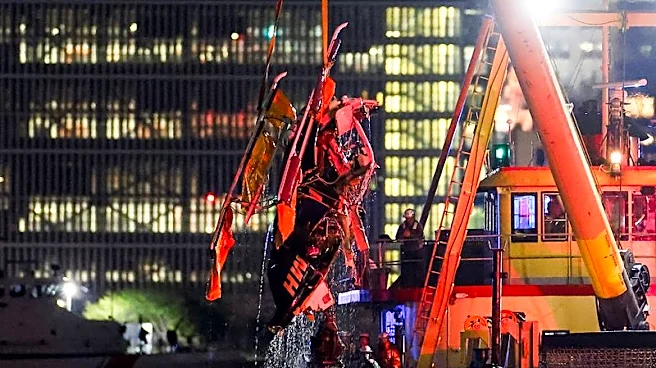
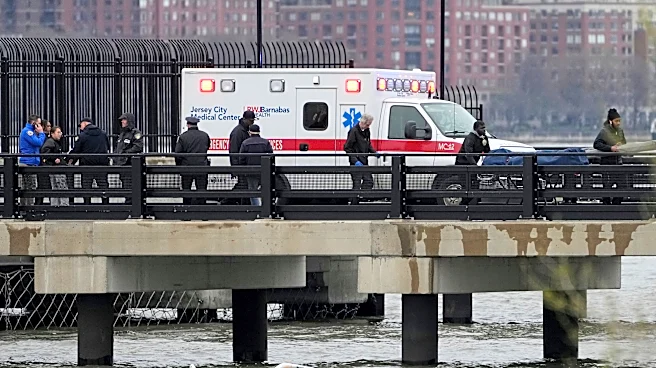
The National Transportation Safety Board (NTSB) has concluded that a bird strike was the likely cause of a helicopter crash into the Hudson River last year, which resulted in the deaths of six people, including three children. The investigation revealed
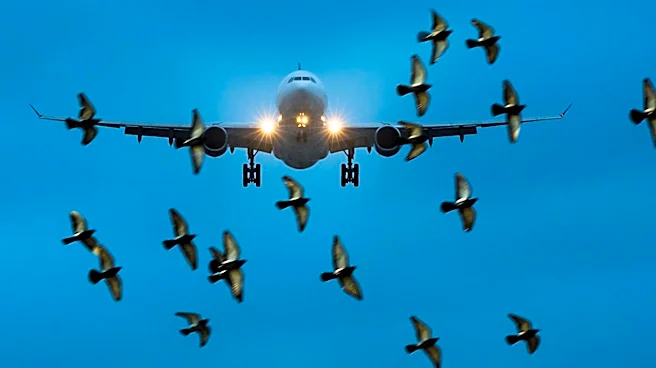
that the remains of several geese were found in the wreckage, supporting the theory that a bird strike led to the catastrophic failure of the helicopter. The crash occurred during a sightseeing tour, and the helicopter went down shortly after takeoff. The NTSB's findings highlight the ongoing risks that bird strikes pose to aviation safety, particularly in areas with high bird populations.
Why It's Important?
The NTSB's findings underscore the significant threat that bird strikes pose to aviation safety. This incident serves as a reminder of the need for continued vigilance and improved safety measures to mitigate such risks. The crash not only resulted in tragic loss of life but also raises questions about the adequacy of current safety protocols for sightseeing flights, which are popular in urban areas like New York City. The aviation industry, regulatory bodies, and local governments may need to reassess and enhance measures to prevent similar incidents in the future, potentially leading to changes in flight paths, increased monitoring of bird activity, and the development of new technologies to detect and avoid bird strikes.
What's Next?
In response to the NTSB's findings, there may be increased pressure on aviation authorities and operators to implement more stringent safety measures. This could include revisiting flight routes, especially in areas known for high bird activity, and investing in technology that can better detect and avoid bird strikes. Additionally, there may be calls for more comprehensive training for pilots on how to handle bird strike scenarios. The findings could also prompt discussions on wildlife management near airports and urban areas to reduce the risk of future incidents.