





What's Happening?
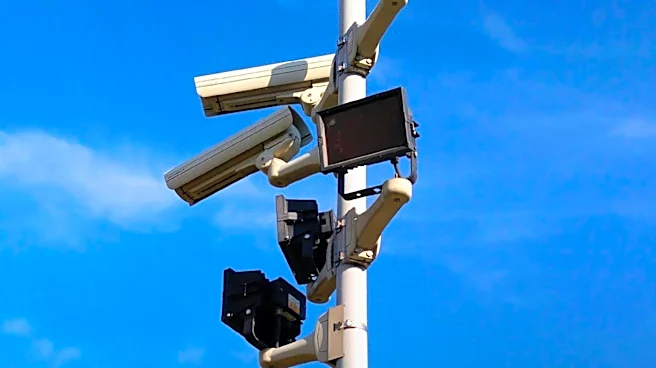
A federal lawsuit has been filed against the Department of Homeland Security (DHS) by the Electronic Privacy Information Center and three legal observers, alleging unlawful surveillance and retaliation against individuals monitoring federal immigration
enforcement. The lawsuit claims that DHS implemented a 'Protester Surveillance Policy' to collect and maintain records on Americans exercising their First Amendment rights, which were then used to retaliate against them. The plaintiffs, including April Walker from San Diego, allege that their Global Entry privileges were revoked following their peaceful observation activities. Walker's Global Entry was reinstated after media intervention, but concerns remain about the retention of surveillance records. The lawsuit seeks to have the surveillance policy declared unlawful and to prohibit DHS from maintaining records of individuals' protected activities.
Why It's Important?
The lawsuit raises significant concerns about the potential misuse of surveillance by federal agencies to suppress free speech and peaceful protest, which are protected under the First Amendment. If the allegations are proven true, it could indicate a broader pattern of governmental overreach and retaliation against citizens exercising their constitutional rights. This case could have implications for privacy rights and the limits of government surveillance, potentially affecting how federal agencies conduct surveillance and manage data on U.S. citizens. The outcome may influence public trust in government institutions and their adherence to democratic principles.
What's Next?
The court's decision on this lawsuit could set a precedent for how surveillance policies are implemented and challenged in the future. If the court rules against DHS, it may lead to changes in how federal agencies conduct surveillance and handle data related to First Amendment activities. The case could also prompt legislative or policy reforms to ensure greater transparency and accountability in government surveillance practices. Stakeholders, including civil rights organizations and privacy advocates, are likely to monitor the case closely and may push for broader reforms based on the outcome.