
What's Happening?
A recent study conducted by Dineo Majoang at North-West University has revealed that incorporating a by-product of oyster mushrooms into poultry feed can significantly improve the quality of eggs, meat,
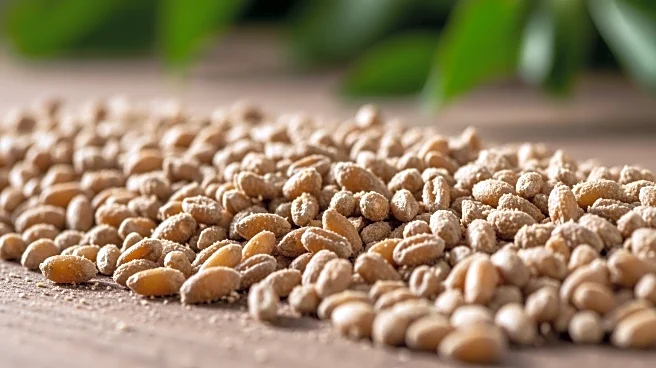
and bones, while also combating toxic aflatoxins. The research, part of Majoang's MSc degree in zoology, explored the use of oyster mushroom substrate as a feed additive to mitigate the adverse effects of aflatoxins, which are harmful fungal metabolites found in common poultry feed ingredients like maize and oilseed cakes. The study found that a modest 2% inclusion of this organic substrate improved the quality of poultry products and reduced the toxic effects of aflatoxins. This discovery offers a sustainable and cost-effective alternative for poultry farmers, potentially enhancing productivity and reducing feed costs.
Why It's Important?
The findings of this study are significant for the poultry industry, particularly in addressing the challenges posed by aflatoxins, which threaten the health and productivity of laying hens. By reducing aflatoxin levels in poultry feed, the study suggests that farmers can improve food safety, enhance the quality of poultry products, and reduce health risks for consumers. Economically, the use of mushroom waste as a feed additive could increase profitability for poultry farmers by reducing losses associated with aflatoxicosis. Additionally, the use of this sustainable and environmentally friendly alternative to synthetic feed additives aligns with broader industry trends towards more sustainable agricultural practices.
What's Next?
The study's findings could lead to further research and development of mushroom waste as a commercial feed additive, potentially transforming poultry farming practices. Stakeholders in the poultry industry, including feed manufacturers and farmers, may explore the integration of this substrate into their operations. Regulatory bodies might also consider evaluating the safety and efficacy of mushroom waste as a feed additive, paving the way for its broader adoption. As the cultivation of oyster mushrooms continues to grow globally, the availability of this by-product could support its widespread use in poultry farming.
Beyond the Headlines
The use of mushroom waste in poultry feed highlights a broader trend towards circular economy practices in agriculture, where waste products are repurposed to enhance productivity and sustainability. This approach not only addresses environmental concerns but also offers economic benefits by reducing reliance on synthetic additives. The study underscores the potential for innovative solutions in agriculture that leverage natural processes to improve food safety and quality, contributing to more resilient and sustainable food systems.