





What's Happening?
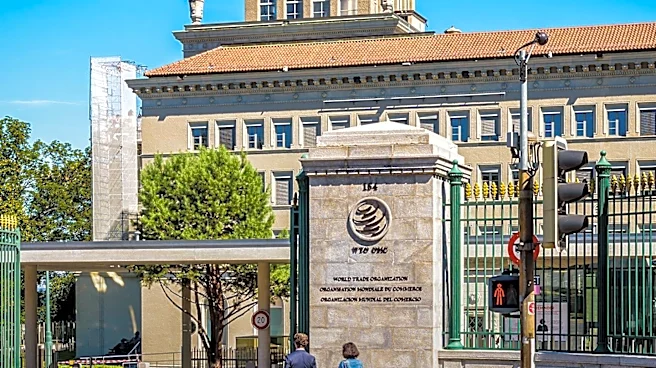
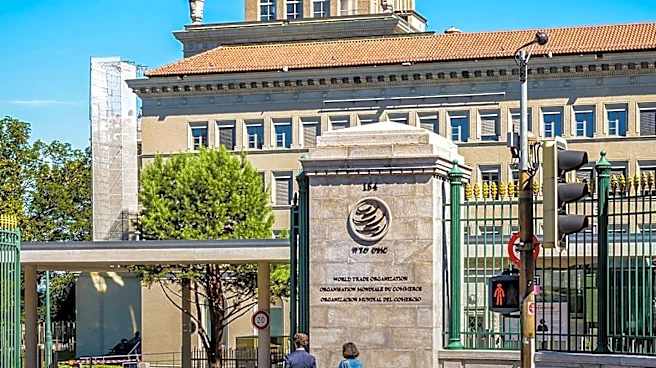
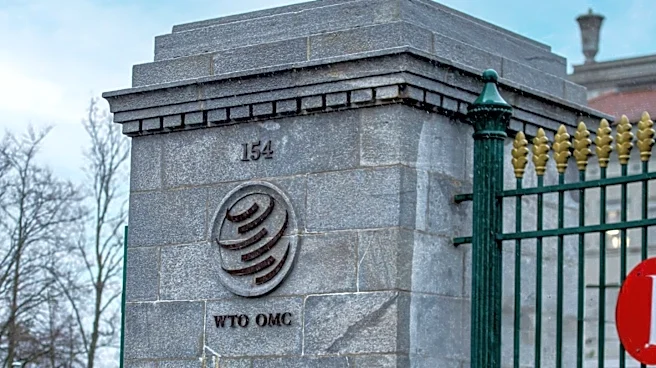
World Trade Organization (WTO) Director-General Ngozi Okonjo-Iweala has called upon smaller and developing countries, including Nepal, to actively defend the multilateral trading system and advocate for reforms that better serve their interests. Speaking
to journalists from developing countries during the Konrad Adenauer Stiftung-World Trade Organization Outreach Programme for Journalists in Geneva, Okonjo-Iweala highlighted the challenges faced by smaller economies amidst a growing reliance on power-based trade relations. She warned that countries with limited economic and political influence stand to lose the most if the global trading system becomes dominated by powerful nations. Okonjo-Iweala emphasized that a multilateral approach is essential for small countries, noting that most nations continue to operate within the WTO system despite the absence of a major member. The WTO has also developed tools, such as the ePing platform, to assist small businesses, particularly in developing countries, in understanding regulatory requirements in export markets.
Why It's Important?
Director-General Okonjo-Iweala's call is highly significant for the U.S. and the global economic landscape. A robust multilateral trading system, as championed by the WTO, is crucial for ensuring fair competition and predictable trade rules, which benefit U.S. businesses by providing stable access to international markets. If smaller and developing countries are marginalized, it could lead to increased trade protectionism and bilateral agreements that may disadvantage U.S. companies and consumers. The U.S. has a vested interest in a strong WTO that can effectively mediate disputes and enforce rules, as this promotes a level playing field for its industries. The erosion of multilateralism could also destabilize global supply chains and hinder economic growth, impacting U.S. prosperity. Furthermore, the WTO's efforts to empower small businesses in developing countries through tools like ePing can foster economic development, potentially creating new markets and opportunities for U.S. exports and investments.
What's Next?
The WTO Director-General's remarks are likely to galvanize smaller and developing countries to increase their engagement in WTO processes and push for reforms. This could lead to more vocal advocacy for specific changes within the WTO framework that address their unique challenges, such as improved market access, capacity building, and more equitable dispute resolution mechanisms. The WTO will likely continue to develop and promote tools like the ePing platform to support small businesses in navigating international trade. Major trading powers, including the U.S., will need to consider these calls for reform and engage constructively to ensure the continued relevance and effectiveness of the multilateral trading system. The ongoing discussions and negotiations within the WTO will aim to strengthen the institution's ability to serve all its members, particularly in an era of increasing geopolitical and economic uncertainty.
Beyond the Headlines
Beyond the immediate policy implications, Director-General Okonjo-Iweala's message underscores a fundamental tension in global governance: the balance between national interests and collective benefits. Her emphasis on the vulnerability of small countries in a power-based trade environment highlights the ethical imperative of ensuring that global trade rules are fair and inclusive. The call for reforms is not just about economic efficiency but also about social equity and political stability. If the multilateral system fails to address the concerns of smaller nations, it risks fragmentation, leading to a less predictable and potentially more conflict-prone international economic order. This situation could force the U.S. to navigate a more complex and less rules-based global trade environment, with potential repercussions for its economic and geopolitical influence. The long-term health of the WTO, and by extension, the global trading system, depends on its ability to adapt and demonstrate its value to all members, fostering a sense of shared ownership and responsibility.