


What's Happening?
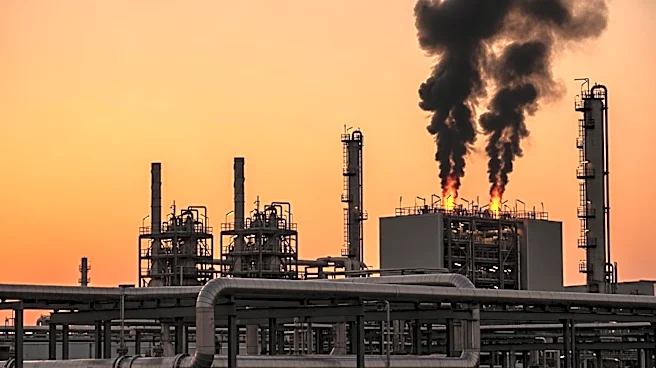
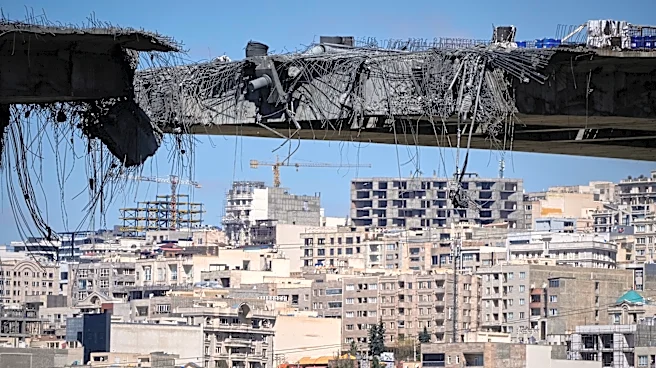
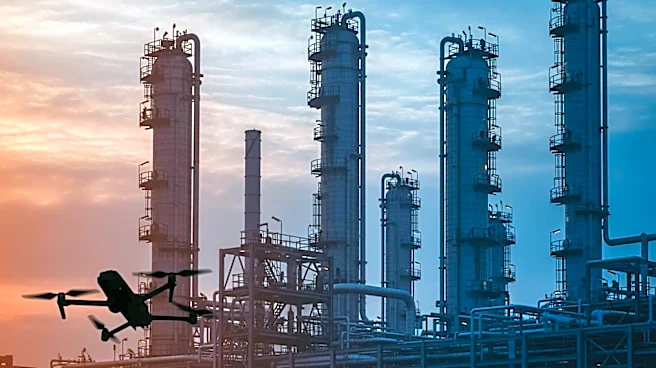
The Gulf States, including the UAE, Bahrain, Kuwait, and Saudi Arabia, are facing ongoing threats from Iranian missile and drone attacks. Recently, Iranian drones targeted the Mina al-Ahmadi refinery in Kuwait, as well as a power generation and water
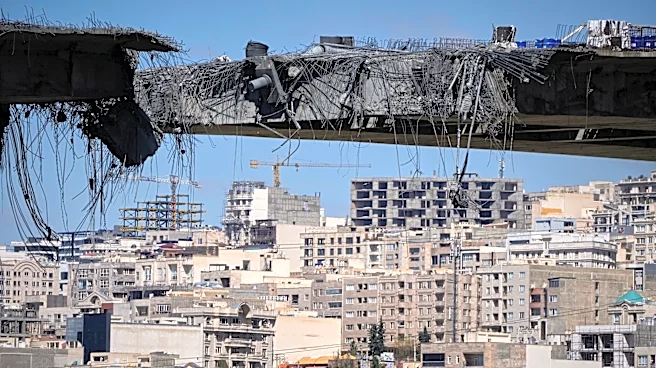
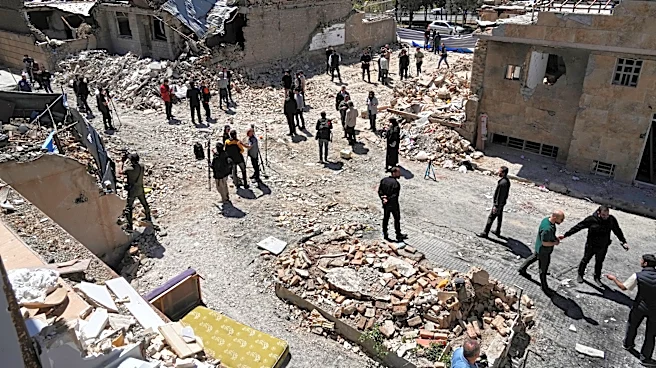
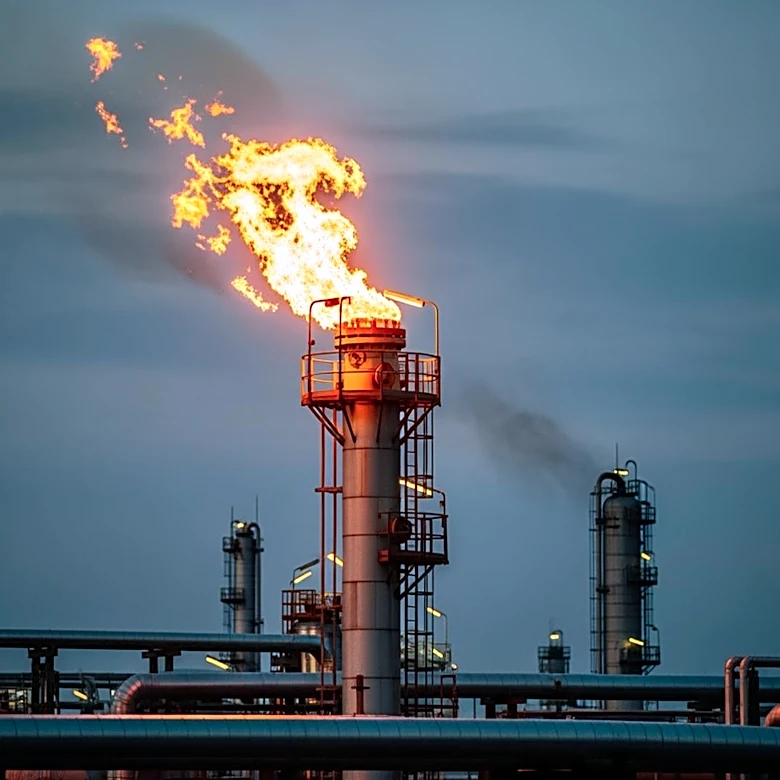
desalination plant. In Abu Dhabi, operations at the Habshan gas facilities were suspended after debris from a successful interception caused fires and casualties, including the death of an Egyptian resident and injuries to four others. Additionally, Emirates Global Aluminium shut down its Al Taweelah site due to severe damage from these attacks. The UAE's Defense Ministry confirmed that its air defenses are actively responding to these threats, with recent data indicating 18 ballistic missile attacks and 47 drone attacks. The Gulf States remain on high alert as they continue to address the potential targeting of their critical energy infrastructure.
Why It's Important?
The ongoing Iranian attacks on Gulf energy infrastructure have significant implications for regional stability and global energy markets. The Gulf States are key players in the global energy supply chain, and disruptions to their infrastructure can lead to increased volatility in oil and gas prices. The attacks also highlight the vulnerability of critical infrastructure in the region, which could have broader economic and security implications. The Gulf States' ability to effectively respond to these threats is crucial for maintaining energy security and preventing further escalation of tensions in the region. The situation underscores the need for enhanced defense capabilities and international cooperation to address the growing threat of drone and missile attacks.
What's Next?
The Gulf States are likely to continue strengthening their air defense systems and seeking international support to counter the Iranian threat. Diplomatic efforts may be intensified to de-escalate tensions and prevent further attacks. The international community, particularly countries reliant on Gulf energy exports, may increase pressure on Iran to halt its aggressive actions. Additionally, there may be discussions on enhancing regional security cooperation among the Gulf States to better protect their critical infrastructure. The situation remains fluid, and further developments could impact global energy markets and regional stability.