






What's Happening?
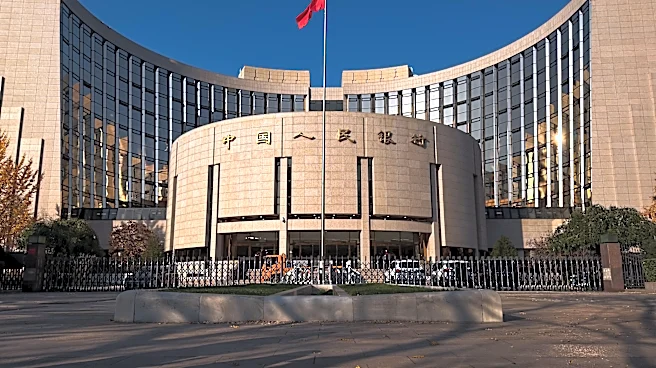
China has enacted a new Ecological and Environmental Code, approved by the Fourth Session of the 14th National People’s Congress on March 12, 2026. This comprehensive legislation marks a strategic shift from fragmented environmental statutes to an integrated
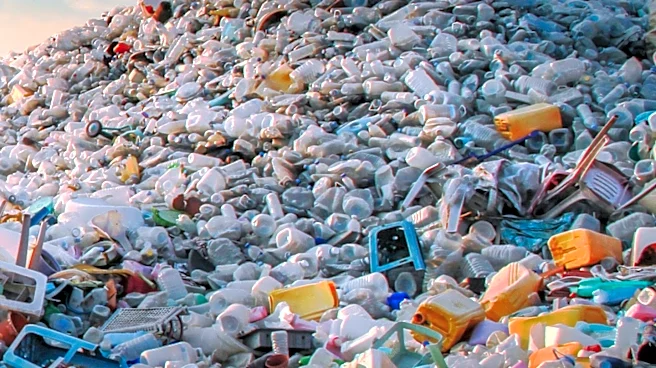
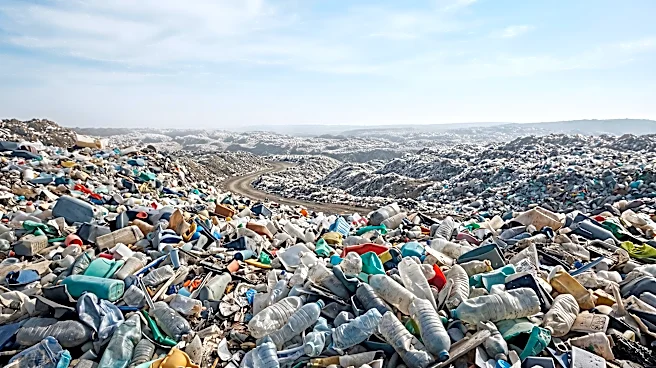
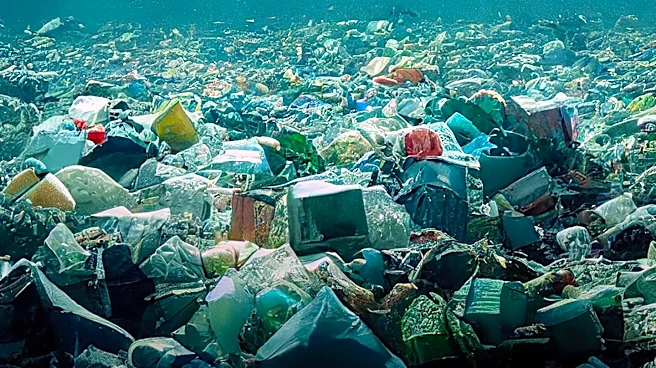
legal framework designed to tackle marine plastic pollution across its entire life cycle. Legal scholars have analyzed how this code coordinates multi-chapter provisions, establishing a continuous regulatory chain that links terrestrial controls, circulation rules, and marine protections. The code aims to address the escalating threat of marine plastic pollution, which the United Nations Environment Programme estimates at 11 million tons annually entering global oceans, projected to rise to 29 million tons by 2040 without decisive intervention. The new framework seeks to overcome structural misalignments in traditional environmental governance by anchoring plastic management across unified chapters, ensuring that solid waste controls inland directly interlock with marine environmental protection duties.
Why It's Important?
China's new Ecological and Environmental Code is a significant development in global efforts to combat marine plastic pollution, given China's role as a major producer and consumer of plastics. This integrated approach, which spans the entire life cycle of plastics from production to disposal, represents a more holistic and potentially effective strategy compared to previous fragmented regulations. By unifying terrestrial and marine environmental management, the code aims to address the root causes of ocean plastic pollution, much of which originates from land-based sources. The legislation's emphasis on extended producer responsibility, green consumption, and comprehensive recycling infrastructure could set a precedent for other nations and influence international environmental policy. Its success could demonstrate a viable model for large industrial economies to mitigate their environmental impact, potentially leading to reduced plastic leakage into oceans and fostering innovation in sustainable materials and waste management technologies globally. The code's effectiveness will be closely watched as a benchmark for future environmental governance.
What's Next?
The implementation and enforcement of China's new Ecological and Environmental Code will be the critical next phase. Legal scholars suggest that while the broad architecture is in place, institutional gaps remain, such as the absence of source-based total quantity caps on virgin plastic polymers and operational implementing rules for plastic packaging under the Extended Producer Responsibility regime. To optimize practical enforcement, the research team outlines specific institutional reforms, including refining whole-life-cycle governance with clear production reduction metrics and statutory caps on primary polymer manufacturing. Implementing regulations must also formulate a formal Mandatory Recycling Catalogue and institute punitive disposal fees for non-compliance. Furthermore, the code's regulatory interface requires dynamic updating mechanisms to mirror international conventions and pilot assessment standards for microplastics. China's domestic institutional mechanisms will also need to align with emerging international obligations under the Global Plastics Treaty negotiations, potentially shaping global marine environmental norms through verifiable performance records.
Beyond the Headlines
China's new Ecological and Environmental Code represents more than just a legislative update; it signifies a potential shift in the country's approach to environmental governance and its role on the global stage. By adopting a comprehensive, integrated framework, China is positioning itself as a leader in addressing complex environmental challenges, moving beyond simply accommodating external standards to actively shaping global norms. This could have profound geopolitical implications, influencing international environmental diplomacy and potentially fostering greater collaboration or competition in sustainable development. The code also highlights the evolving understanding of environmental responsibility, moving from end-of-pipe solutions to a holistic, life-cycle approach that integrates economic and ecological considerations. The success or failure of this ambitious code will offer valuable lessons for other nations grappling with similar environmental pressures and could redefine the relationship between industrial growth and environmental protection in the 21st century.