







What's Happening?
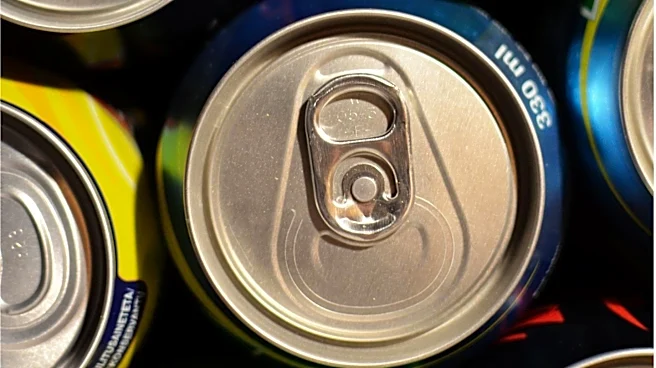
India's food safety regulator, the Food Safety and Standards Authority of India (FSSAI), has mandated that manufacturers of high-caffeine beverages cease using the term 'energy drinks' to describe their products. This decision, announced earlier this
month, is part of a broader regulatory effort to address health concerns associated with high levels of caffeine, sugar, and taurine in these beverages. Major companies such as Pepsi, Red Bull, and Monster have opposed the move, arguing that it could confuse consumers and harm brands that rely on the 'instant-energy' marketing message. Despite these objections, FSSAI Chief Executive Rajit Punhani has given companies 90 days to comply with the new labeling requirements. The decision comes as the energy drink market in India is rapidly expanding, projected to reach $1.6 billion by 2028.
Why It's Important?
The ban on the 'energy drink' label in India highlights growing global scrutiny over the health impacts of high-caffeine beverages. This regulatory action could set a precedent for other countries, potentially leading to similar restrictions elsewhere. For companies like Pepsi, Red Bull, and Monster, the change poses a significant challenge as it disrupts established marketing strategies and could affect consumer perception and sales. The decision also reflects a shift in consumer attitudes towards healthier alternatives, as seen in the rise of low-caffeine or caffeine-free beverages that use adaptogens and nootropics. This regulatory move could accelerate the trend towards more health-conscious product offerings in the beverage industry.
What's Next?
As the enforcement of the ban begins, companies will need to adjust their marketing strategies and product labeling to comply with the new regulations. This may involve rebranding efforts and the development of new product lines that align with consumer demand for healthier options. Additionally, major e-commerce platforms have been instructed to stop promoting these products as energy drinks, which could further impact sales. The situation in India may prompt other countries to reevaluate their own regulations regarding high-caffeine beverages, potentially leading to a broader international shift in the industry.