





What's Happening?
James Madison University (JMU) recently celebrated the grand reopening of its Carrier Library after a three-year renovation and expansion project. The event, held on September 10, saw over 450 donors, students, faculty, staff, alumni, and community members
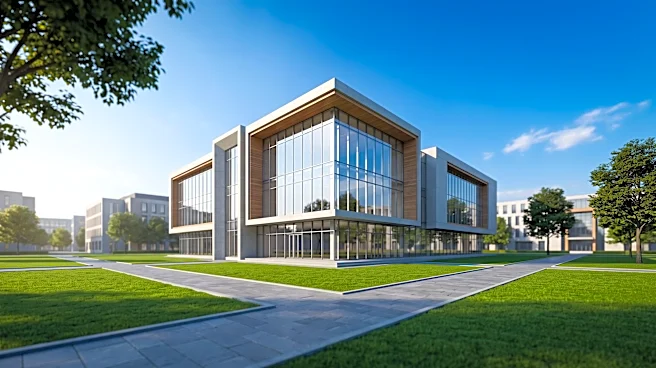
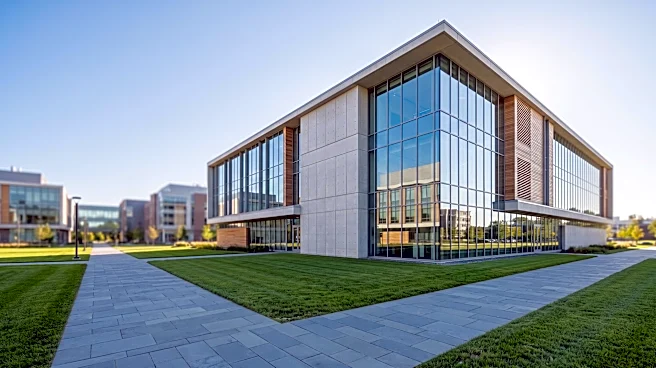
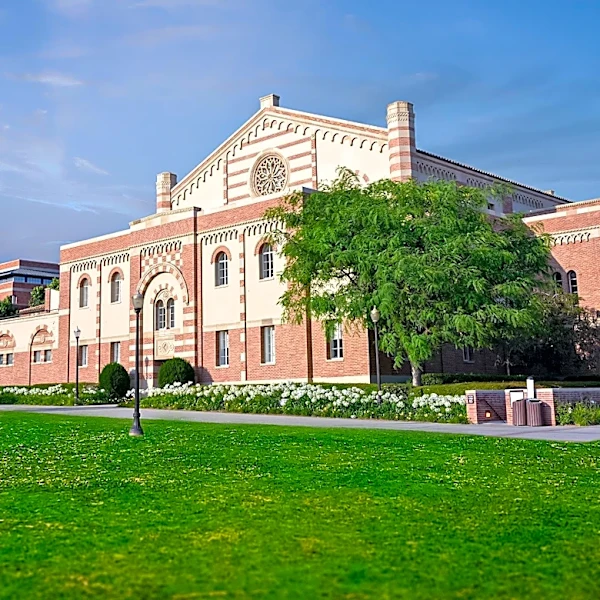
gather to mark the occasion. The reimagined library now spans nearly 200,000 square feet, incorporating updated technology and new and redesigned spaces for learning, research, and collaboration. President James Schmidt and Dean Bethany Nowviskie highlighted the library's role as the 'heartbeat' of the university. Donors, whose generosity made the transformation possible, were present to see the impact of their contributions firsthand. The project included the addition of a modern Jones Wing, expanding the library by over 56,000 square feet, and the preservation of the historic McCormack Entrance. The library aims to provide a diverse range of spaces to support contemporary student and scholar needs.
Why It's Important?
The reopening of Carrier Library signifies a significant investment in academic infrastructure and student resources at James Madison University. This modernization effort reflects a broader trend in higher education to adapt library spaces to evolving learning styles and technological advancements. By creating new and redesigned areas for collaboration, research, and individual study, JMU is enhancing its capacity to support diverse academic pursuits. The involvement of donors underscores the importance of philanthropic contributions in funding major university projects, which can directly impact the quality of education and student experience. The library's expansion and technological upgrades are crucial for attracting and retaining students and faculty, as state-of-the-art facilities are increasingly a factor in university competitiveness. Furthermore, the emphasis on creating a 'home for every student' within the library highlights a commitment to inclusivity and varied learning preferences, which can foster a more engaging and effective educational environment.
What's Next?
With the Carrier Library now fully operational, the immediate next steps involve its full integration into the daily academic life of James Madison University. Students, faculty, and staff will begin to utilize the new and redesigned spaces for their studies, research, and collaborative projects. The university will likely monitor the usage and effectiveness of the new facilities to ensure they meet the needs of the community. The library's role as the new home for the Furious Flower Poetry Center suggests an increase in cultural and literary events, further enriching campus life. The university may also continue to engage with donors, showcasing the long-term impact of their contributions and potentially inspiring future philanthropic endeavors for other campus initiatives. The success of this project could serve as a model for future infrastructure developments at JMU and other institutions.
Beyond the Headlines
The transformation of Carrier Library extends beyond mere architectural and technological upgrades; it represents a philosophical shift in the role of university libraries. Dean Bethany Nowviskie's statement that libraries 'preserve and share lessons of the past, but we are also engines of invention for creating new and better tomorrows' encapsulates this evolution. The library is no longer just a repository of books but a dynamic hub for innovation, interdisciplinary collaboration, and community engagement. The inclusion of specialized labs, like the Dylan Thomas Accessible Technology Lab and the Madison Thomas Anatomy Lab, highlights a commitment to diverse learning needs and hands-on education, reflecting a more inclusive pedagogical approach. This reimagining also underscores the enduring value of physical spaces in an increasingly digital world, emphasizing the importance of human connection and shared intellectual pursuits that a well-designed library can foster. It's a 'love letter to its future,' signaling a forward-thinking vision for education.