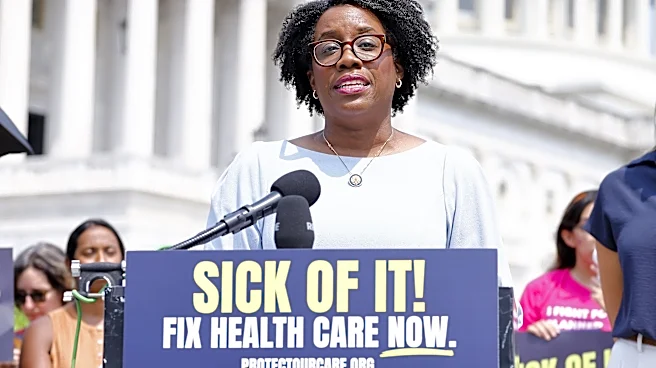








What's Happening?
For tax years beginning after 2025, the rules governing the Premium Tax Credit (PTC) are set to revert to their pre-2021 structure, significantly impacting individuals purchasing health coverage through the Health Insurance Marketplace. The temporary
enhanced rules, which were in effect from 2021 through 2025, are expiring. This means the 400% of the federal poverty line income limit for eligibility will generally return, and repayment caps for excess advance credits will be eliminated. The PTC is a refundable federal tax credit designed to help eligible individuals afford health insurance premiums. It can be used in advance to lower monthly premiums or claimed at tax time. The credit amount is based on the second-lowest-cost Silver plan in a given area, and individuals must file Form 8962 with their federal return if they received any advance credit.
Why It's Important?
The reversion of PTC rules in 2026 carries substantial implications for U.S. households, particularly those with incomes just above the 400% federal poverty line. The reintroduction of the income ceiling means that many individuals and families who previously qualified for assistance may lose their eligibility, potentially facing significantly higher health insurance costs. The elimination of repayment caps for excess advance credits also poses a risk: if an individual's income increases during the year and they receive more advance credit than they are ultimately entitled to, they will be required to repay the full excess amount. This change could lead to unexpected tax liabilities and financial strain for many, making accurate income estimation and timely updates to Marketplace applications more critical than ever. This shift could reduce access to affordable healthcare for a segment of the population, impacting public health outcomes and household budgets.
What's Next?
Individuals currently receiving or planning to apply for the Premium Tax Credit for 2026 and beyond must be acutely aware of these impending changes. It is crucial to accurately estimate Modified Adjusted Gross Income (MAGI) for the year, as this will directly influence PTC eligibility and amount. Any changes in income, household size, or other relevant circumstances should be promptly updated in the Health Insurance Marketplace application to avoid discrepancies that could lead to repayment obligations. Consulting with a licensed insurance agent can help individuals navigate plan comparisons and enrollment, while a qualified tax professional should be consulted for tax return questions and to understand the full financial impact of these rule changes. Proactive planning and communication with relevant professionals will be essential to mitigate potential financial surprises.
Beyond the Headlines
The expiration of the enhanced Premium Tax Credit rules reflects a broader political and economic debate regarding the scope and funding of healthcare subsidies in the U.S. While the temporary enhancements aimed to make healthcare more affordable during a period of economic uncertainty, their expiration signals a return to more stringent eligibility criteria. This could exacerbate existing healthcare disparities, particularly for middle-income families who may not qualify for other assistance programs but still struggle with high premium costs. The changes also highlight the complexity of the U.S. tax code and healthcare system, where temporary legislative measures can have profound and often sudden impacts on individual financial planning and access to essential services. This situation underscores the need for ongoing public education and support to help citizens understand and adapt to evolving healthcare policies.