




What's Happening?
A study led by the University of Hawaiʻi at Hilo has identified areas of wastewater pollution along the Hilo coastline, stretching from Keaukaha to Honoliʻi. This research, conducted between 2020 and 2022, is the first to map these pollution hotspots
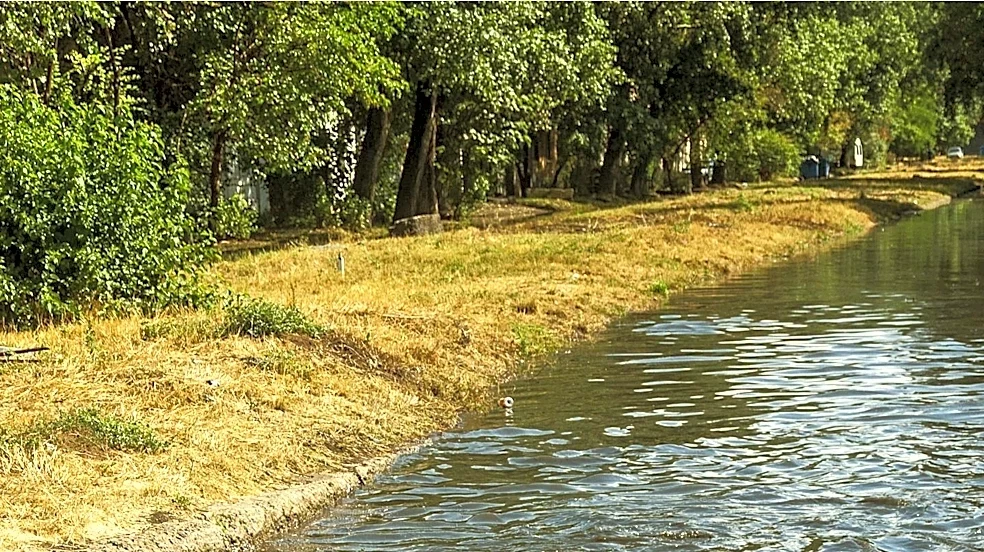
on Hawaiʻi Island. The findings indicate that wastewater indicators were detected at all 16 sampling sites, though often at low concentrations due to dilution by groundwater. To overcome this, researchers combined water quality measurements with data on nearby cesspool densities, which helped pinpoint areas where contamination is more prevalent. The study also highlighted the role of rivers in transporting wastewater to coastal areas, suggesting that pollution prevention efforts need to extend beyond immediate shorelines. Joseph “Crispin” Nakoa, a UH Hilo graduate and Hilo native, led this research, which also involved UH Hilo marine science professors Steven Colbert and Tracy Wiegner.
Why It's Important?
This study is crucial for public health and environmental protection in Hilo, Hawaiʻi. The identified sewage pollution poses risks to residents who use coastal waters for swimming, fishing, surfing, and other recreational and cultural activities, as contaminated water can lead to illness. By pinpointing specific hotspots, the research provides a scientific basis for prioritizing interventions such as cesspool conversions and upgrades to Hilo's wastewater treatment plant. This targeted approach can maximize the impact of efforts to improve water quality, ensuring safer environments for both human use and marine ecosystems. The findings also underscore the interconnectedness of land and sea, emphasizing that pollution originating inland can significantly affect coastal health, thereby influencing policy decisions regarding infrastructure and land management.
What's Next?
The findings of the UH Hilo study are expected to guide communities and government agencies in determining where interventions will have the greatest impact on water quality. Researchers hope this data will empower communities to seek funding for solutions to improve coastal water safety. Key priorities include the rehabilitation of Hilo's wastewater treatment plant and assisting residents with cesspool conversions to safer wastewater systems. Both county and state authorities are actively working to provide this assistance. The study's insights into the role of rivers in transporting wastewater also suggest that future pollution prevention efforts will need to consider broader geographical areas, extending beyond properties directly adjacent to the shoreline.
Beyond the Headlines
The UH Hilo study delves into the deeper implications of environmental stewardship and community well-being. Beyond the immediate health and ecological concerns, the research highlights the cultural significance of clean coastal waters for Native Hawaiians, who have a deep connection to these areas for traditional practices and daily life. The personal involvement of local researchers like Joseph “Crispin” Nakoa underscores a growing trend of community-led scientific initiatives that blend traditional knowledge with modern research methods. This approach fosters a stronger sense of ownership and responsibility within the community for environmental issues. The study also implicitly raises questions about sustainable development and the long-term balance between urban growth and ecological preservation in sensitive island environments.