






What's Happening?
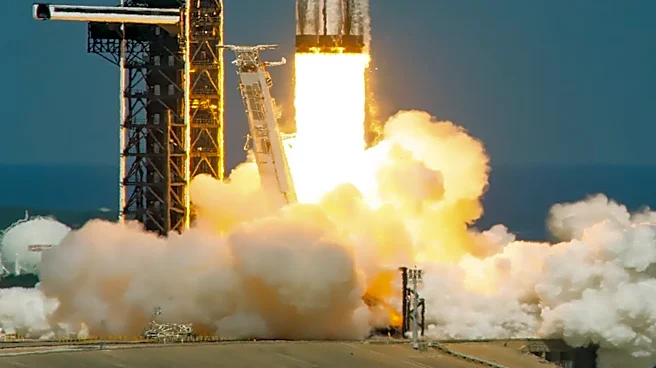
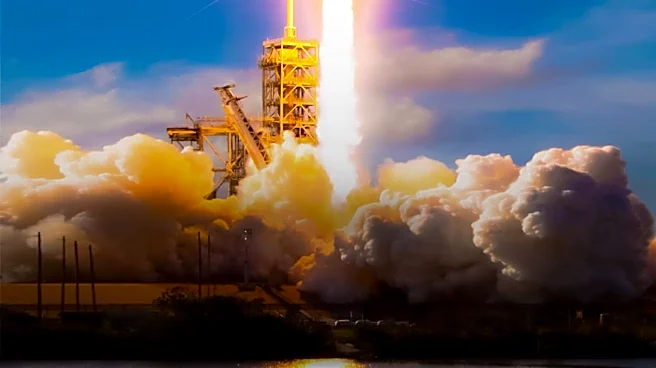
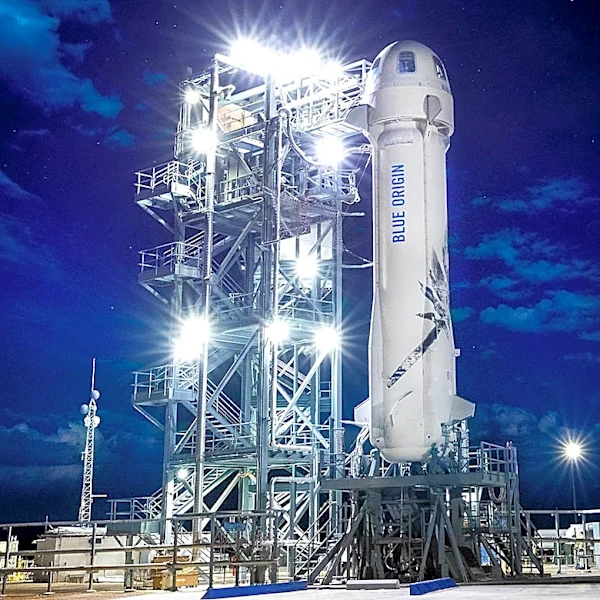
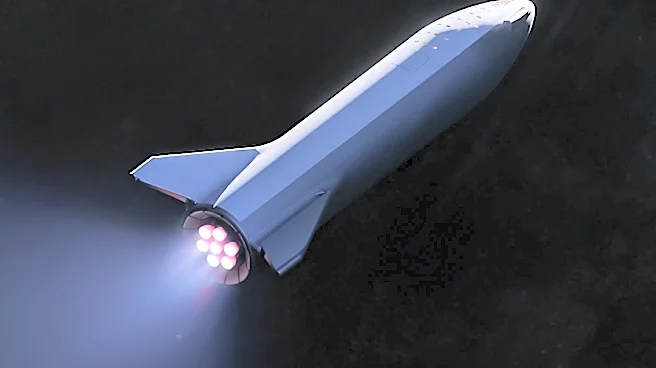
A video circulating on social media, purportedly showing the crash of a SpaceX rocket into the moon, has been labeled as fake by Snopes. The video, which gained traction on platforms like X, is believed to be AI-generated and not released by scientists.
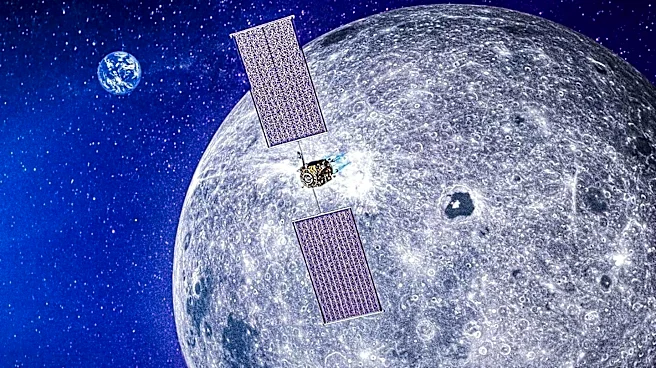
The actual crash of the SpaceX rocket's upper stage into the moon was predicted by scientists, but no authentic video footage of the event has been released. The European Southern Observatory confirmed the impact through chemical signatures detected by its Very Large Telescope.
Why It's Important?
The spread of fake videos highlights the challenges of misinformation in the digital age, especially concerning significant scientific events. Such misinformation can lead to public confusion and undermine trust in legitimate scientific observations. The incident underscores the importance of verifying information and relying on credible sources for accurate reporting. As AI-generated content becomes more prevalent, distinguishing between real and fake media will become increasingly crucial for both the public and media outlets.
What's Next?
Efforts to combat misinformation and improve media literacy are likely to continue as AI-generated content becomes more sophisticated. Organizations like Snopes play a vital role in fact-checking and debunking false claims. The scientific community and media outlets may need to enhance their communication strategies to ensure accurate information reaches the public. As technology evolves, new tools and methods for verifying content authenticity will be essential in maintaining public trust.