





What's Happening?
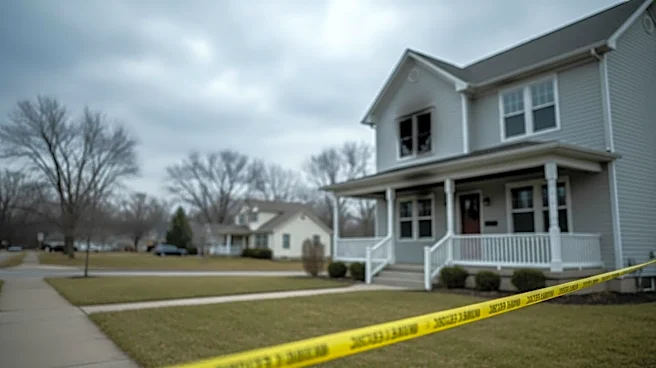
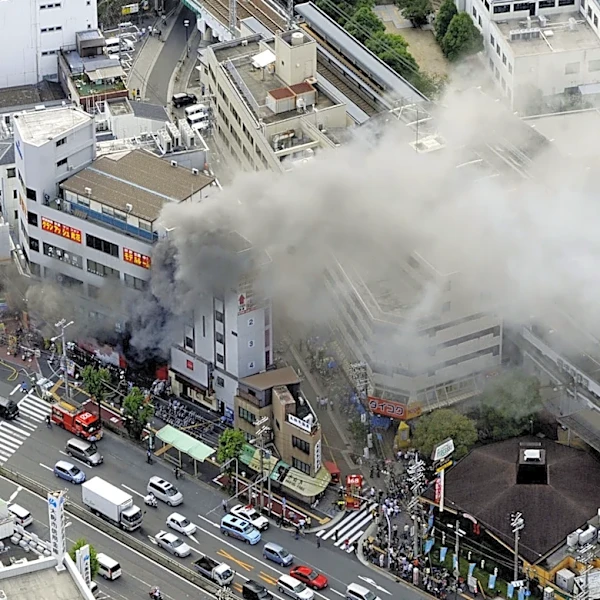
Lancaster City Fire Marshal Tom Hoffman has issued a public warning regarding counterfeit squishy 'dumpling' toys after one was identified as the catalyst for a recent fire that damaged two rowhomes on North Reservoir Street on August 5. The incident
resulted in one person sustaining minor burns. Hoffman's investigation revealed that the counterfeit toy, purchased by a family the day before the fire, acted as a highly flammable accelerant. When exposed to an initial heat source, these toys can burst and spread flammable materials. Coincidentally, the Consumer Product Safety Commission (CPSC) had previously issued warnings about these counterfeit toys, primarily citing health-related concerns due to their non-compliance with federal safety requirements. However, the CPSC's warnings did not specifically address the flammability risks, which Hoffman discovered through independent lab testing. The lab analysis identified highly flammable and toxic chemicals such as benzene, toluene, and cyclohexene within the fake squishy dumplings.
Why It's Important?
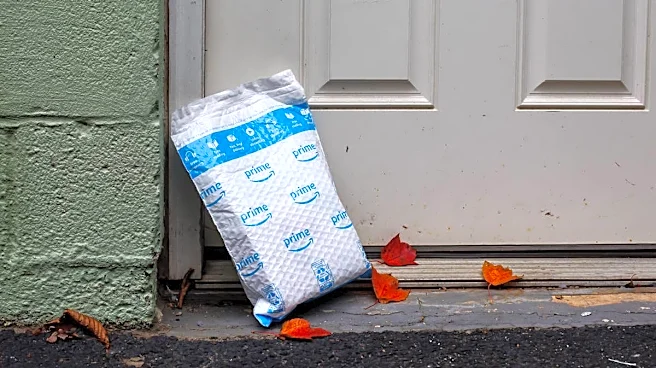
This warning from the Lancaster City Fire Marshal highlights a significant public safety concern regarding unregulated counterfeit products, particularly those marketed to children. The presence of highly flammable and toxic chemicals in these 'dumpling' toys poses a direct threat of fire and chemical exposure to consumers. The incident in Lancaster City underscores a critical gap in existing safety warnings, as the CPSC's initial advisories focused on health risks rather than the extreme flammability. This situation could lead to increased scrutiny of counterfeit goods sold through major retailers, as Hoffman noted that even purchases from reputable platforms do not guarantee authenticity or safety. The potential for widespread distribution of such dangerous products means that many households could unknowingly possess fire hazards, impacting consumer trust and potentially leading to more stringent regulations on product sourcing and safety verification for all sellers, including large e-commerce platforms like Amazon, which has already begun removing some squishy toys.
What's Next?
Following Fire Marshal Hoffman's findings, the CPSC is likely to face pressure to update its warnings to include the flammability risks associated with counterfeit squishy toys. Consumer Reports has already requested the CPSC investigate the safety risks of all squishy toys, not just counterfeits, indicating a broader push for product safety. The School District of Lancaster has already responded by discouraging students from bringing these toys to school and plans to discuss the matter further at its September safety committee meeting, suggesting that educational institutions may implement their own policies. Consumers are advised by Hoffman to dispose of any suspicious-smelling or poorly packaged squishy toys, double-bagging them before discarding. This incident may also prompt major retailers to enhance their vetting processes for third-party sellers and products to prevent the sale of dangerous counterfeits, potentially leading to more proactive removals of non-compliant items from their platforms.
Beyond the Headlines
The incident with the counterfeit 'dumpling' toys reveals a deeper issue concerning the global supply chain and the proliferation of unregulated goods. The ease with which dangerous, uncertified products can enter the market, even through established retail channels, highlights the challenges in consumer protection in an increasingly globalized economy. This situation raises ethical questions for manufacturers and distributors regarding their responsibility to ensure product safety, regardless of origin. The reliance on external lab testing by a local fire marshal to uncover a critical safety flaw, which was not initially identified by a federal agency, points to potential systemic gaps in product safety oversight. Furthermore, the incident underscores the broader societal impact of counterfeiting, which extends beyond economic harm to tangible risks to life and property, necessitating a more robust, multi-faceted approach involving federal agencies, retailers, and consumer awareness campaigns to mitigate these dangers effectively.