







What's Happening?
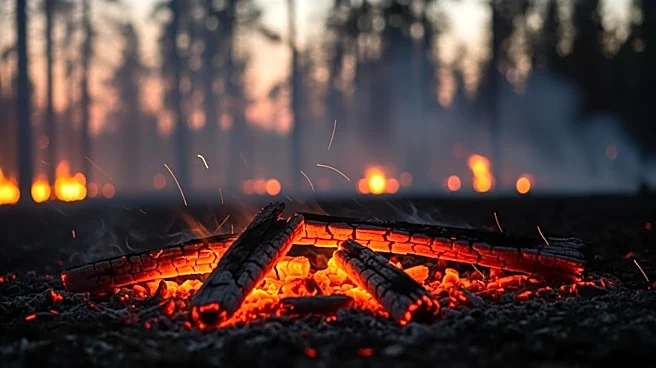
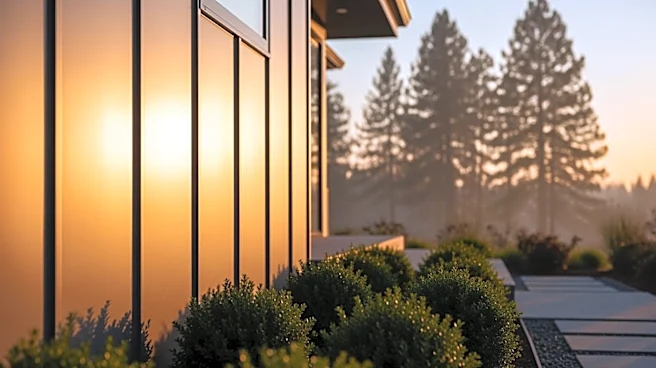
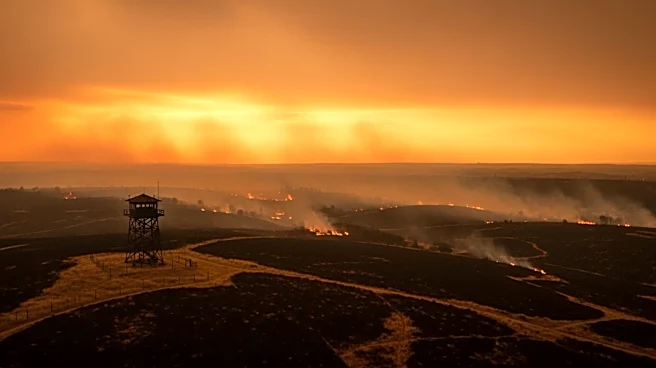
California's Board of Forestry and Fire Protection has released new proposed landscaping rules aimed at reducing wildfire risks in fire-prone areas. The 'Zone Zero' regulations focus on the first five feet surrounding homes, requiring the removal of combustible
materials to prevent fires from spreading to structures. The proposal has sparked debate among fire officials, scientists, and local advocates, particularly regarding the allowance of healthy plants within this zone. The rules are part of a broader effort to mitigate the impact of wildfires, which have caused significant destruction in recent years. Homeowners in designated high-risk areas would have three to five years to comply with the new regulations.
Why It's Important?
The 'Zone Zero' proposal represents a significant shift in California's approach to wildfire prevention, emphasizing proactive measures to protect homes and communities. By mandating changes to landscaping and building materials, the regulations aim to reduce the likelihood of homes igniting during wildfires. This could lead to decreased property damage and insurance costs, as well as improved safety for residents. However, the proposal also raises concerns about the financial and labor implications for homeowners, particularly in terms of compliance costs and the potential loss of vegetation that provides environmental benefits.
What's Next?
The Board of Forestry and Fire Protection will hold public meetings to discuss the proposed regulations and gather feedback from residents. The outcome of these discussions will influence the final version of the rules, which are expected to be adopted in the coming months. Homeowners and local governments will need to prepare for the implementation of the regulations, which could involve significant changes to landscaping practices and building codes. The proposal may also prompt further research into effective wildfire prevention strategies and the development of new technologies to enhance fire safety.