





What's Happening?
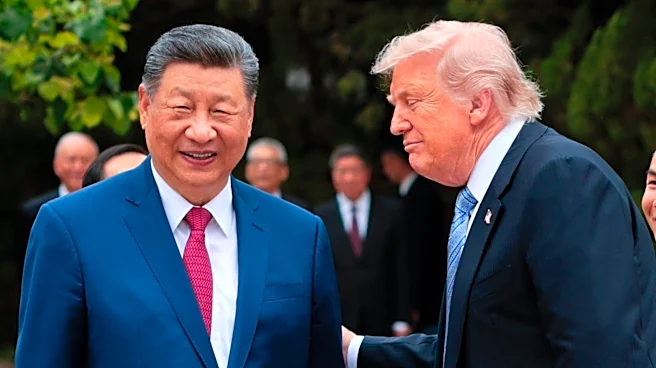
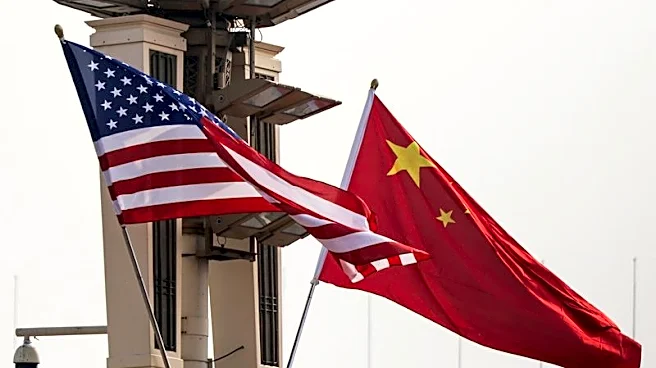
President Trump has delayed a $14 billion arms deal with Taiwan, which was approved by Congress. This decision follows a summit with Chinese President Xi Jinping, where Taiwan was highlighted as a critical issue in U.S.-China relations. The delay has sparked
concerns in Taiwan about the U.S.'s commitment to its defense, as the island faces increasing military pressure from China. The arms package, which includes advanced air defense systems, is seen as a crucial component of Taiwan's defense strategy. Analysts suggest that the delay might push Taiwan to focus more on developing its own defense capabilities, particularly in asymmetric warfare technologies.
Why It's Important?
The delay in the arms deal is significant as it affects Taiwan's defense readiness amid rising tensions with China. The U.S. has historically been a key supplier of military equipment to Taiwan, and any perceived reduction in support could embolden China. This situation also highlights the strategic use of arms sales in diplomatic negotiations, as President Trump appears to be using the deal as leverage in broader U.S.-China trade discussions. The delay could lead to Taiwan accelerating its indigenous defense programs, potentially altering the balance of military power in the region.
What's Next?
The future of the arms deal remains uncertain, with President Trump yet to announce a final decision. Taiwan may increase its focus on self-reliance in defense, particularly in developing technologies that can counteract China's military advantages. The U.S. may face pressure from both domestic and international stakeholders to clarify its stance on Taiwan's defense. Additionally, the delay could impact U.S.-China relations, depending on how the situation evolves and whether it influences broader trade negotiations.