


What's Happening?
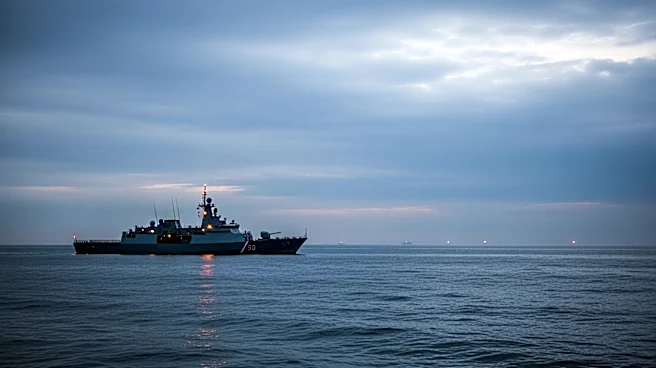
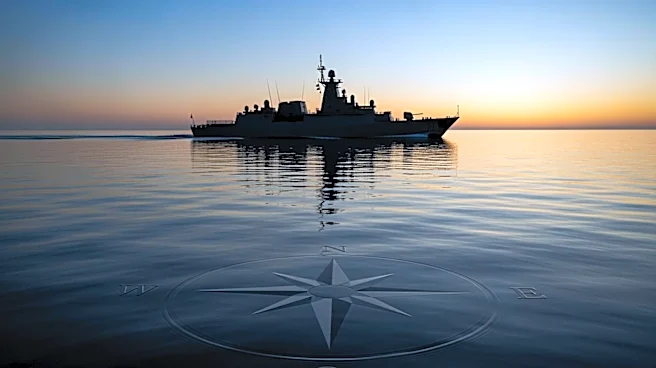
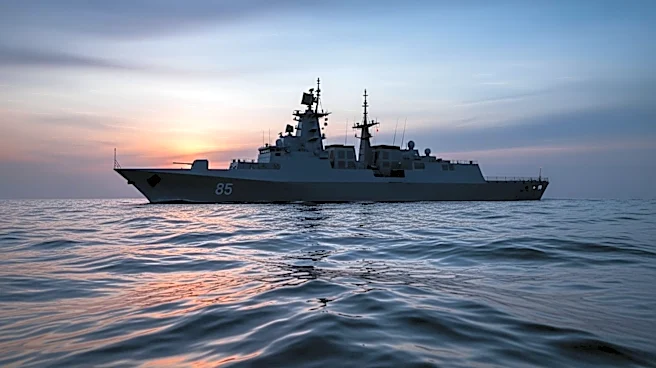
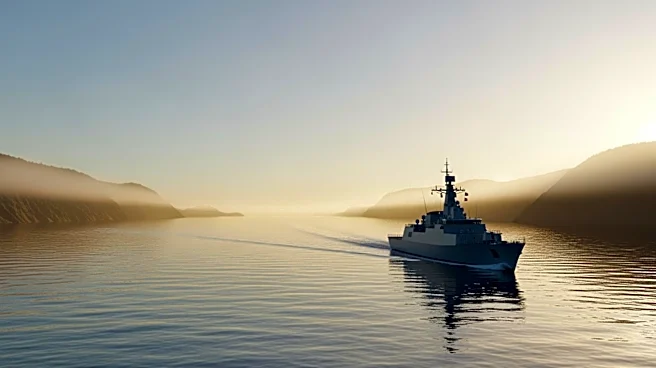
U.S. Central Command (CENTCOM) has outlined the implementation of a maritime blockade on Iran, following an announcement by President Trump. The blockade, set to begin on April 13, will target all maritime traffic entering and exiting Iranian ports, as per
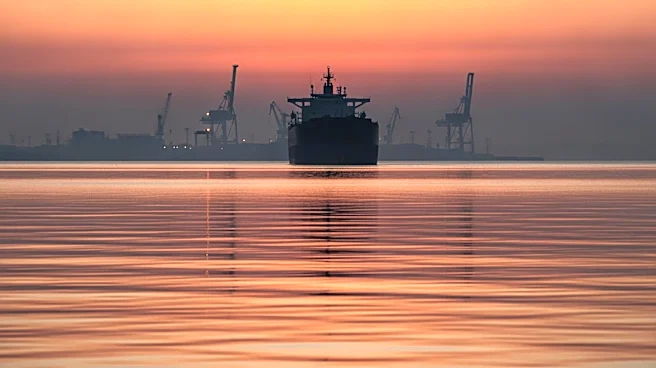
a presidential proclamation. CENTCOM clarified that the operation will focus specifically on Iranian ports and coastal areas, while allowing international shipping to continue through the Strait of Hormuz, provided vessels are not bound for Iran. This move comes after the collapse of ceasefire talks with Tehran, and aims to apply pressure on Iran without disrupting global commercial shipping. The blockade will be enforced impartially, regardless of a ship's flag or country of origin, and additional guidance will be provided to commercial mariners.
Why It's Important?
The Strait of Hormuz is a critical chokepoint for global energy markets, with a significant portion of the world's oil and liquefied natural gas shipments passing through. Disruptions in this area could lead to increased energy prices and destabilize global markets. By ensuring that the blockade does not impede freedom of navigation for vessels traveling to non-Iranian ports, CENTCOM aims to pressure Tehran without causing a broader shipping crisis. The blockade is also intended to prevent the flow of weapons to Iran, with President Trump warning of tariffs on nations caught sending arms to the country. This strategic move tests U.S. naval dominance and aims to exert economic pressure on Iran.
What's Next?
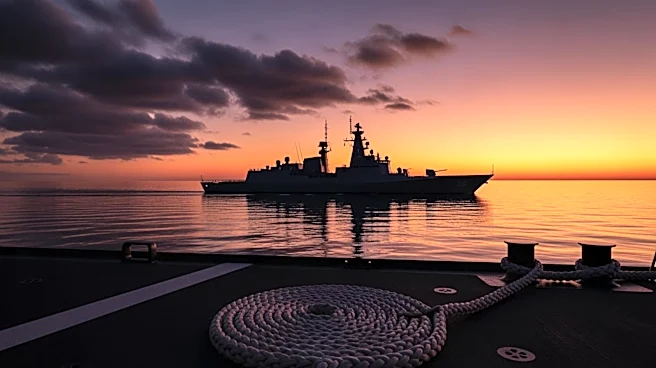
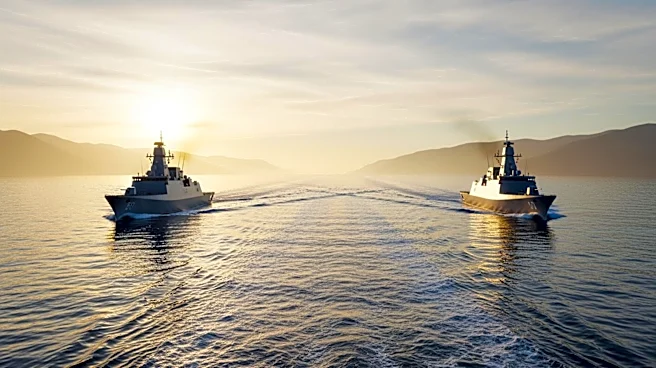
As the blockade begins, U.S. naval forces will engage with mariners entering the enforcement zone, monitoring compliance and regional reactions. The operation will test Iran's asymmetric naval strategies, which include the use of drones, mines, and fast boats to disrupt shipping. The U.S. aims to maintain control over ship movements through the Strait of Hormuz, potentially impacting Iran's oil exports and economic stability. The international community will be watching closely to see how Iran and other regional players respond to the blockade.