


What's Happening?
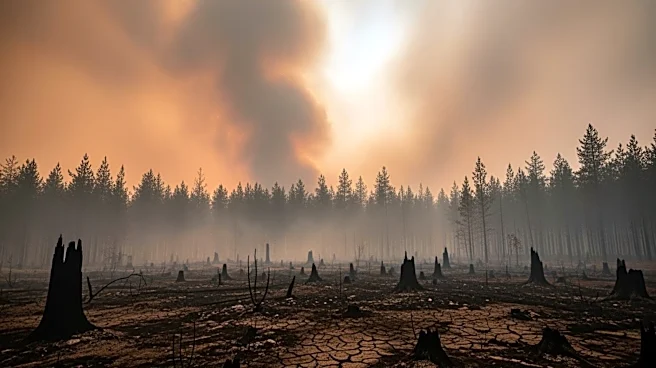
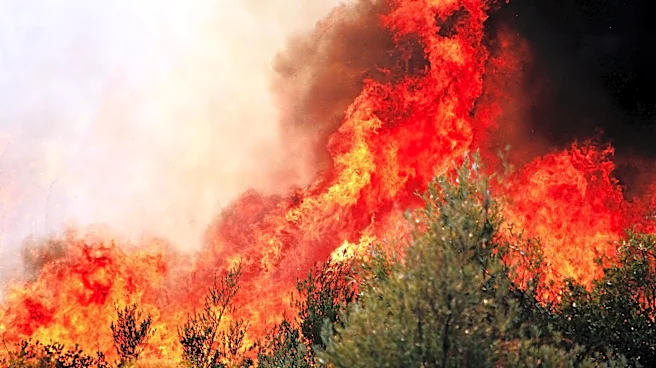
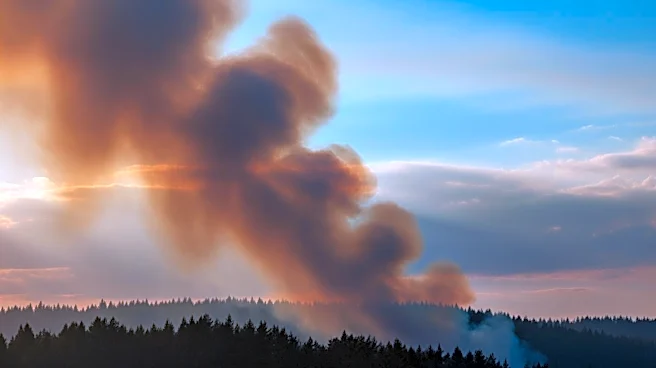
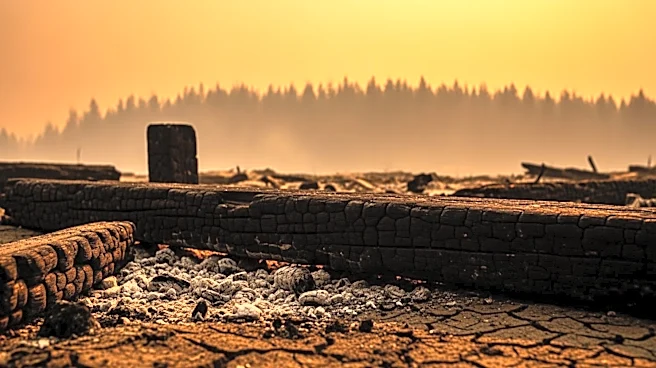
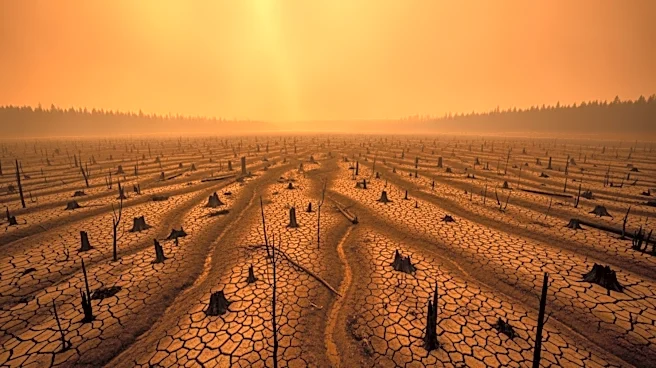
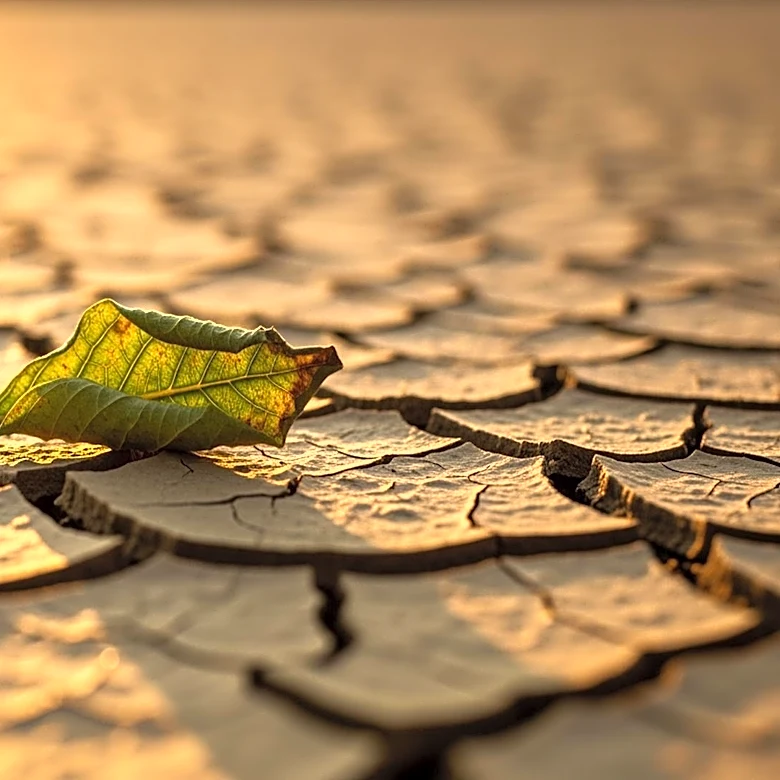
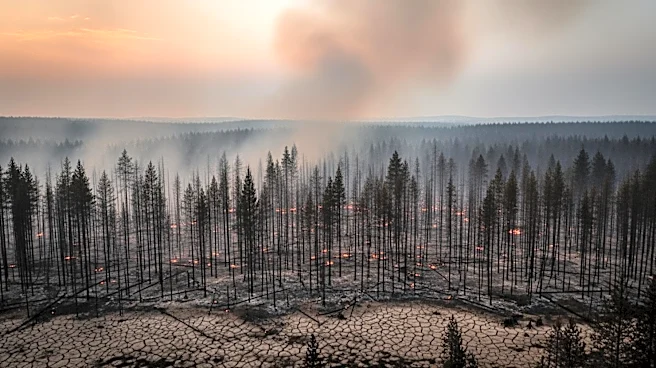
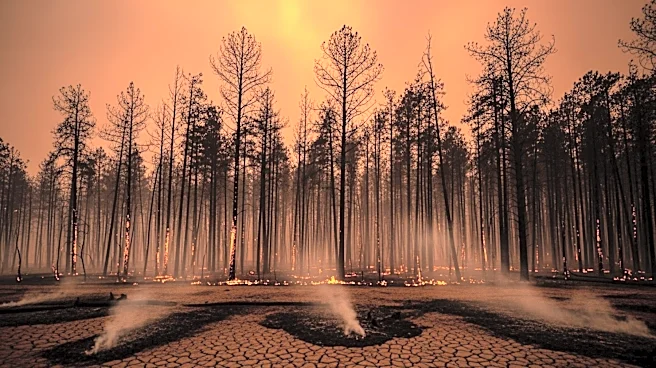
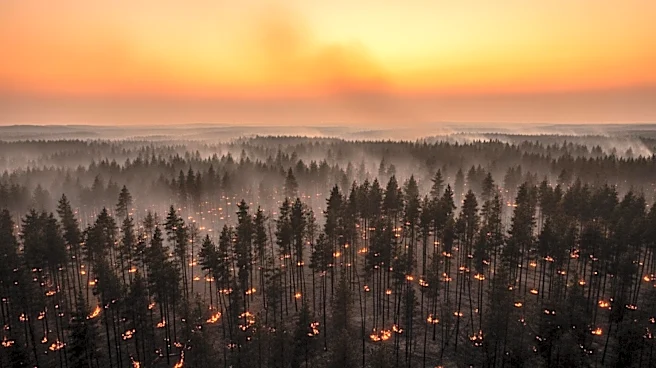
Two massive wildfires in south Georgia have destroyed more than 100 homes and scorched over 40,000 acres. The fires, exacerbated by extreme drought conditions, have turned the region into a tinderbox, allowing flames to spread rapidly. New fires have sparked
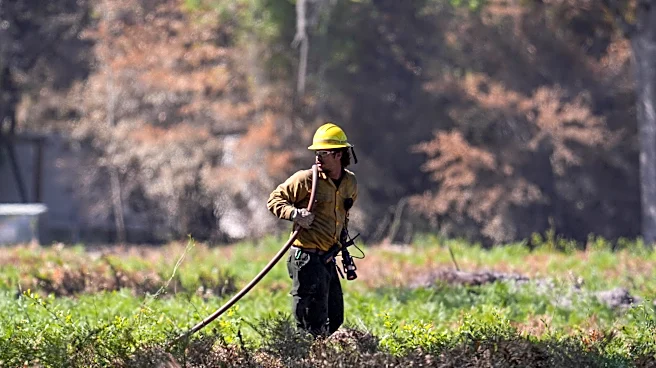
in rural areas, further complicating containment efforts. Residents like Anna Dudek have been forced to flee, witnessing the destruction of their homes remotely. Jesse Morgan, another resident, lost his automotive business and faces challenges with insurance claims, as 'acts of God' are not covered. Governor Brian Kemp has toured the affected areas, meeting with first responders. The Brantley County fire has grown to over 9,500 acres, while the Pineland Road fire in Clinch County has expanded to more than 31,000 acres. Authorities believe a party balloon landing on a power line may have sparked one of the fires. Fire activity is expected to remain high over the weekend.
Why It's Important?
The wildfires in Georgia highlight the severe impact of climate conditions on communities, with extreme drought playing a critical role in the rapid spread of fires. The destruction of homes and businesses underscores the vulnerability of infrastructure to natural disasters, raising concerns about preparedness and response strategies. The economic impact is significant, with residents like Jesse Morgan facing financial uncertainty due to inadequate insurance coverage. The situation also stresses the importance of federal and state coordination in disaster management, as highlighted by Governor Kemp's involvement. The fires serve as a stark reminder of the broader challenges posed by climate change, necessitating urgent attention to mitigation and adaptation strategies to protect communities and ecosystems.
What's Next?
Efforts to contain the wildfires will continue, with authorities focusing on managing the spread and protecting remaining structures. The need for a change in weather conditions is critical to aid firefighting efforts. Governor Kemp and federal authorities will likely assess the situation to determine additional resources and support needed for affected communities. Discussions around improving insurance policies to cover natural disasters may gain traction, as residents face financial hardships. Long-term, the state may need to invest in infrastructure improvements and community preparedness programs to better handle future climate-related events.