


What's Happening?
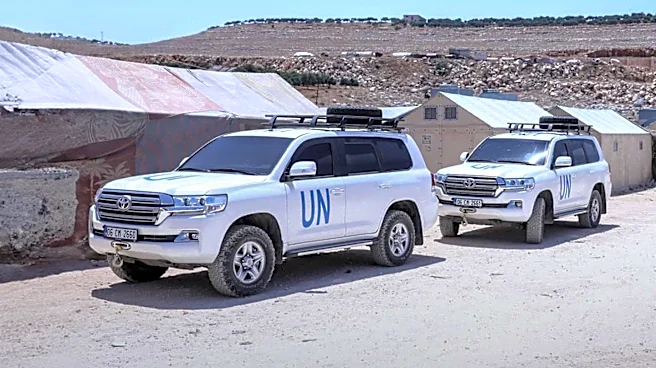
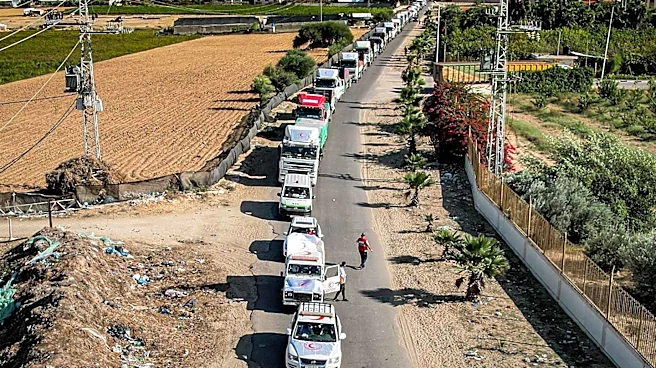
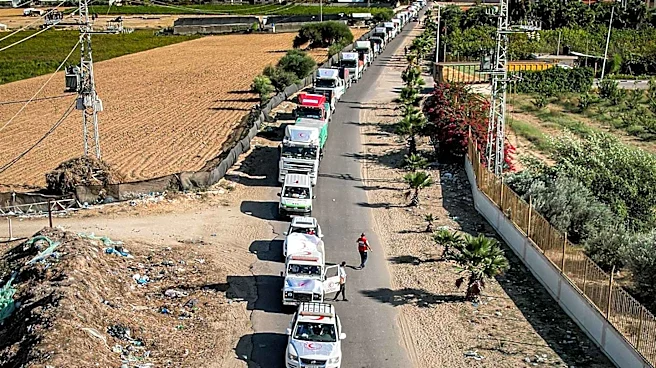
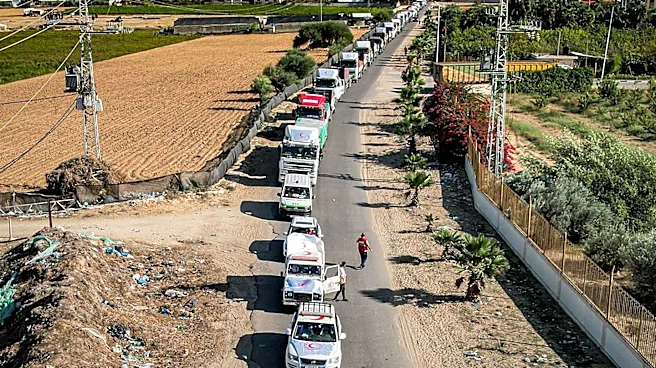
Tom Fletcher, the UN’s Emergency Relief Coordinator, has voiced profound concern over the worsening humanitarian situation in Gaza, citing repeated delays by UN member states and partners in delivering crucial support. Fletcher emphasized that the UN had
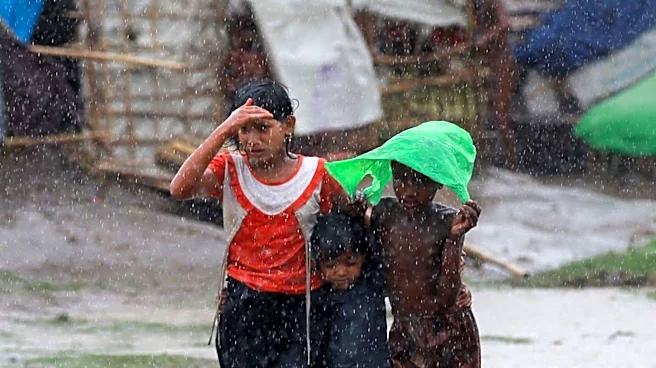
a 'clear plan' for necessary supplies weeks ago, including durable shelter, warm clothing, blankets, heating solutions, generators, fuel, and equipment for water pumping and debris removal. He criticized the excuses for delays, such as waiting for Israeli elections or government formation, calling them unacceptable under international humanitarian law. With winter conditions bringing freezing temperatures and storms, thousands living in tents face severe risks, including collapses and flooding. Fletcher urgently called for all crossings to be opened, for vital NGO partners to be allowed to operate, for commercial markets to function, and for an end to what he termed 'collective punishment.'
Why It's Important?
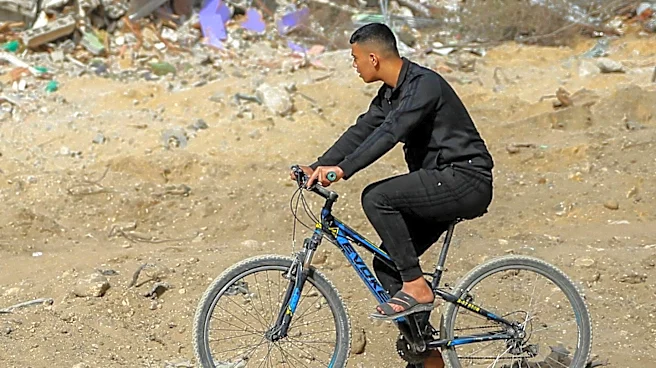
The ongoing delays in humanitarian aid to Gaza have critical implications for the civilian population, who are enduring severe winter conditions without adequate shelter, warmth, or basic necessities. The UN's call for immediate action highlights a failure of international cooperation and a potential violation of humanitarian principles, as delays directly contribute to preventable suffering and loss of life. The situation underscores the fragility of humanitarian supply chains in conflict zones and the political obstacles that often impede aid delivery. The inability to provide essential winter kits and durable shelters exacerbates the vulnerability of displaced populations, particularly children, to environmental hazards and health crises. Furthermore, the UN's emphasis on allowing commercial markets to function points to the broader economic collapse within Gaza, where job losses are staggering and long-term recovery efforts are severely hampered.
What's Next?
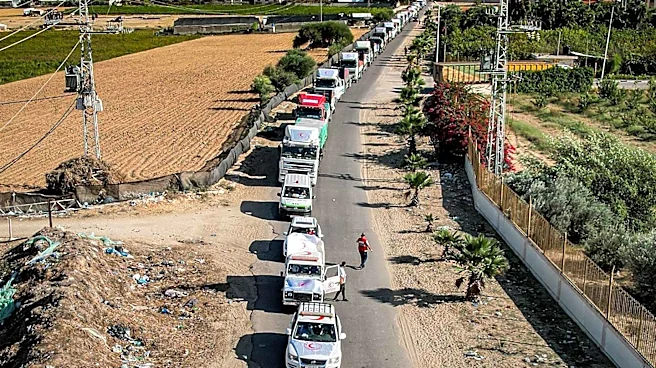
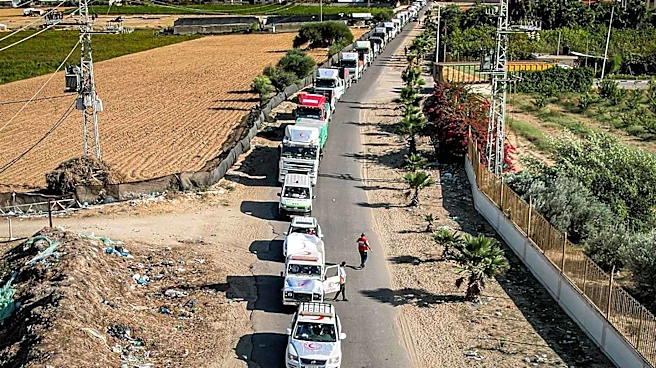
The immediate next steps involve increased pressure on international governments and Israel to facilitate unimpeded access for humanitarian aid into Gaza. Fletcher's direct appeal for the opening of all crossings and the unhindered operation of NGOs suggests a continued diplomatic push for policy changes. The UN's labor agency (ILO) has also called for increased financial support for a jobs-led recovery plan in the Occupied Palestinian Territory, indicating that future efforts will likely focus on both immediate relief and long-term economic stability. This includes emergency employment, enterprise recovery, social protection, and strengthening labor institutions. The international community will be watching to see if the urgent pleas translate into concrete actions, such as increased aid convoys, streamlined customs procedures, and the establishment of more robust humanitarian corridors. The ongoing winter conditions will intensify the urgency for these measures.
Beyond the Headlines
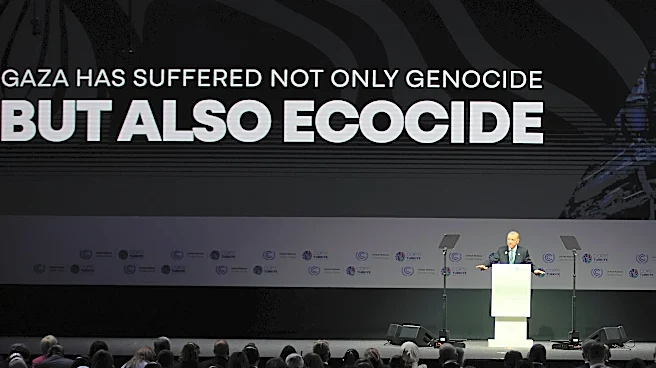
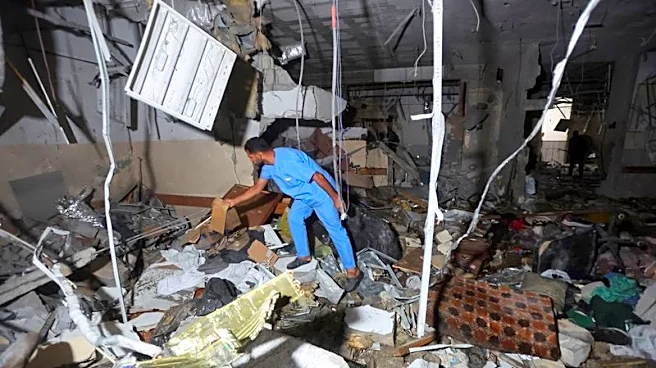
Beyond the immediate humanitarian crisis, the situation in Gaza raises profound questions about the effectiveness of international humanitarian law and the accountability of states in ensuring civilian protection during conflict. The repeated delays and political justifications for withholding aid suggest a systemic challenge in upholding humanitarian principles when geopolitical interests are at play. The term 'collective punishment' used by Fletcher carries significant legal and ethical weight, implying potential violations of international law. The long-term implications include a deepening humanitarian catastrophe, increased radicalization due to prolonged suffering, and a further erosion of trust in international institutions. The environmental impact, highlighted by Turkish President Recep Tayyip Erdogan as 'ecocide,' also points to broader, often overlooked consequences of conflict, affecting public health and future habitability of the region. The economic devastation, with massive job losses and income reduction, will have lasting societal impacts, potentially creating a generation dependent on aid and lacking opportunities for self-sufficiency.