



What's Happening?
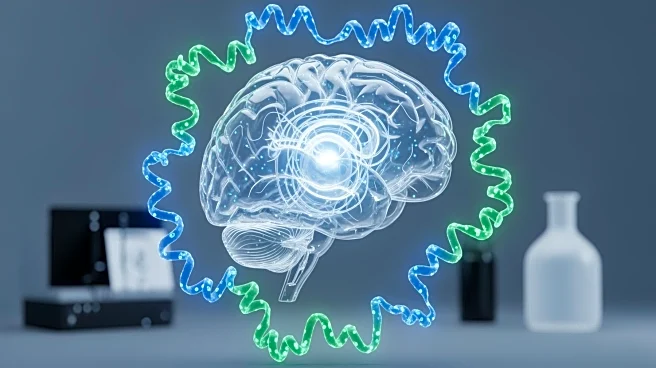
Researchers at Rice University have developed a non-invasive technique for brain mapping in large animal models. The method uses engineered proteins that can cross the blood-brain barrier to map gene expression, offering a reliable way to study brain activity.
This advancement could lead to personalized therapies for neurological disorders. The technique has been successfully tested in monkeys, showing potential for broader applications in neuroscience research.
Why It's Important?
This breakthrough in non-invasive brain mapping represents a significant step forward in neuroscience research. By enabling detailed study of brain activity without invasive procedures, the technique could accelerate the development of treatments for neurological disorders. The ability to track gene expression over time provides valuable insights into disease progression and the effects of potential therapies. This research could ultimately lead to more effective and personalized treatment options for patients with neurological conditions.