

What's Happening?
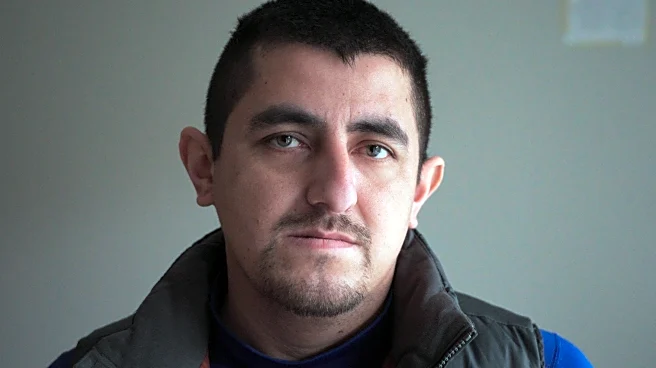
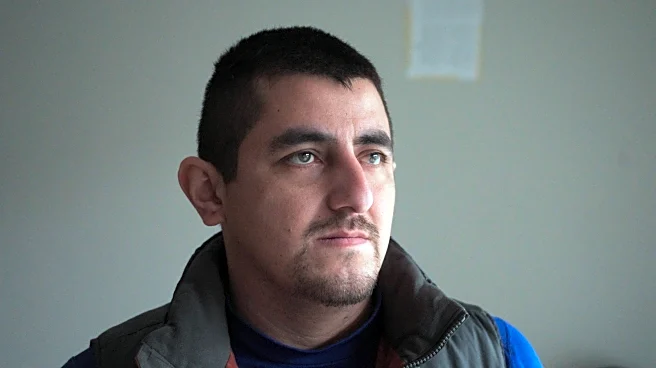
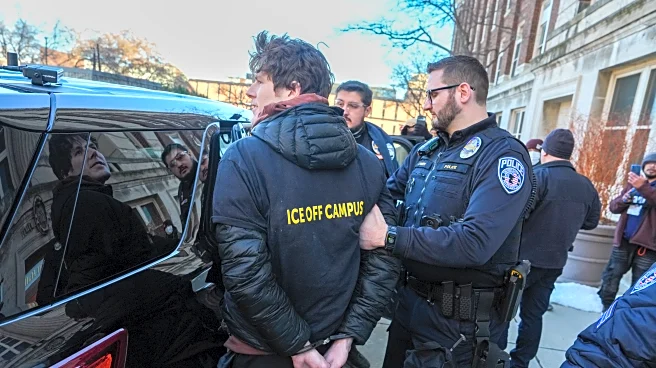
In St. Paul, Minnesota, federal immigration agents forcibly entered the home of ChongLy 'Scott' Thao, a U.S. citizen, without a warrant, detaining him at gunpoint. Thao was led outside in his underwear in subfreezing temperatures, as captured in videos
reviewed by the Associated Press. The incident occurred amid a surge of federal agents in the Twin Cities, which has drawn criticism for aggressive tactics. Thao, who has been a U.S. citizen for decades, was detained despite his protests and requests to show identification. The Department of Homeland Security (DHS) described the operation as targeting two convicted sex offenders, claiming Thao matched their description. However, Thao's family disputes this, stating that no such individuals reside at their home. The incident has sparked backlash from local leaders, including St. Paul Mayor Kaohly Her, who criticized ICE's actions as un-American.
Why It's Important?
This incident highlights ongoing tensions between federal immigration enforcement and local communities, particularly regarding the use of aggressive tactics without warrants. The case raises significant civil rights concerns, as it involves the detention of a U.S. citizen without due process. The backlash from local leaders underscores the broader debate over immigration enforcement practices and their impact on community trust. The situation also reflects the challenges faced by immigrant communities, particularly those with historical ties to U.S. military operations, as in Thao's case. The potential civil rights lawsuit against DHS could have implications for future enforcement operations and policies.
What's Next?
ChongLy Thao plans to file a civil rights lawsuit against the Department of Homeland Security, seeking accountability for the incident. The case may prompt further scrutiny of ICE's operations and lead to calls for policy changes to prevent similar occurrences. Local leaders and civil rights organizations are likely to continue advocating for reforms in immigration enforcement practices. The incident may also influence public opinion and policy discussions at both local and national levels, particularly regarding the balance between security and civil liberties.