
What's Happening?
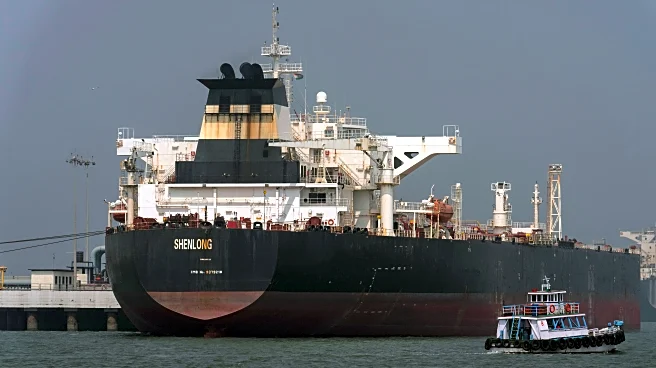
Global energy markets are experiencing significant volatility due to ongoing conflicts in the Middle East, particularly affecting the Strait of Hormuz, a crucial passage for oil and LNG shipments. The disruptions have led to a decrease in export volumes,
reaching multi-month lows, and have caused a tightening of supply to both Asia and Europe. This has resulted in a sharp increase in gas prices, highlighting the global market's dependency on a few key export hubs. Companies like ADNOC Gas have had to adjust their LNG output and delivery schedules due to these shipping disruptions. The situation underscores the operational challenges faced by producers, even when their facilities remain intact. The head of ADNOC has emphasized that disruptions in the Strait of Hormuz pose a direct threat to global energy stability, with far-reaching economic consequences.
Why It's Important?
The volatility in energy markets has significant implications for global economic stability. The Strait of Hormuz is a critical chokepoint through which approximately 20% of the world's oil and LNG trade passes. Any disruption in this area can lead to substantial economic consequences, affecting energy prices worldwide. The current situation has forced energy producers to adapt quickly, highlighting the fragility of global energy supply chains. The potential for diplomatic resolutions between the U.S. and Iran could alleviate some of the tensions, but the market remains sensitive to geopolitical developments. The ongoing uncertainty underscores the need for diversified energy sources and routes to mitigate the impact of such disruptions.
What's Next?
The energy markets are likely to continue experiencing fluctuations as the situation in the Middle East evolves. Diplomatic efforts between the U.S. and Iran could lead to a de-escalation of tensions, potentially reopening shipping routes and stabilizing prices. However, the market remains on edge, with any new developments likely to cause further volatility. Energy producers and global markets will need to remain vigilant and adaptable to navigate the ongoing challenges. The situation also highlights the importance of strategic planning and investment in alternative energy sources to reduce dependency on vulnerable chokepoints like the Strait of Hormuz.