








What's Happening?
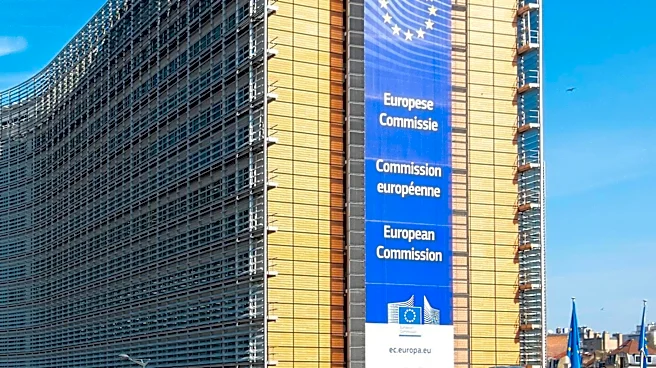
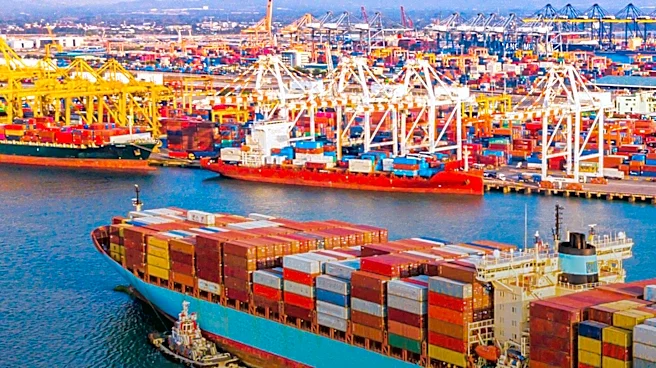
The European Union has announced a significant reduction in duty-free steel quotas, cutting the amount it will accept from abroad by half. However, the EU has agreed to higher import volumes for certain trading partners, including the UK, which will see
a reduction of only a third. This move is part of an effort to curb the influx of cheap Chinese steel into the EU market. The new quotas are set to take effect on July 1, 2026, and are designed to protect European steel producers by limiting imports. The decision marks a major shift in trade relations with the UK since Brexit and aligns with similar measures taken by the UK to support its domestic steel industry.
Why It's Important?
The EU's decision to reduce duty-free steel quotas has significant implications for international trade and the global steel industry. By limiting imports, the EU aims to protect its domestic producers from competition with cheaper foreign steel, particularly from China. This move could lead to increased tensions in global trade relations, as affected countries may seek to negotiate better terms or retaliate with their own trade measures. For the UK, the reduced quotas highlight the ongoing challenges of navigating post-Brexit trade dynamics with the EU. The decision also underscores the importance of strategic alliances and trade agreements in maintaining access to key markets.
What's Next?
The EU's new steel quotas are likely to prompt further negotiations and discussions among affected countries. The UK and other trading partners may seek to renegotiate terms to secure better access to the EU market. Additionally, the EU's decision could lead to increased efforts to establish a 'steel club' with the US and UK, aimed at protecting domestic markets from unfair competition. The outcome of these negotiations will be crucial for the future of the global steel industry and international trade relations. Stakeholders will need to closely monitor developments and adapt their strategies accordingly.