
What's Happening?
A Maricopa County Superior Court judge has ruled that Arizona voters can consider Proposition 142, a set of constitutional amendments aimed at preventing discrimination and preferential treatment. The
proposition includes changes to how public funds are used at universities and bans policies that treat students differently based on race or ethnicity. It also prohibits public entities from requiring support for preferential treatment as a condition for admission, employment, or scholarships. The ruling came despite challenges from a group called Will of the People, which argued that the proposition violates the Arizona Constitution's separate amendment rule by bundling multiple issues into a single measure. The judge dismissed these arguments, allowing the measure to be placed on the November ballot.
Why It's Important?
The decision to allow Proposition 142 to proceed to the ballot is significant as it addresses ongoing debates about diversity, equity, and inclusion (DEI) policies in Arizona. If passed, the proposition could lead to substantial changes in how public institutions handle issues of race and ethnicity, potentially affecting students, employees, and applicants. The measure's implications for free speech and anti-discrimination laws could also have broader legal and social impacts. The outcome of the vote could set a precedent for similar measures in other states, influencing national discussions on DEI policies and their role in public institutions.
What's Next?
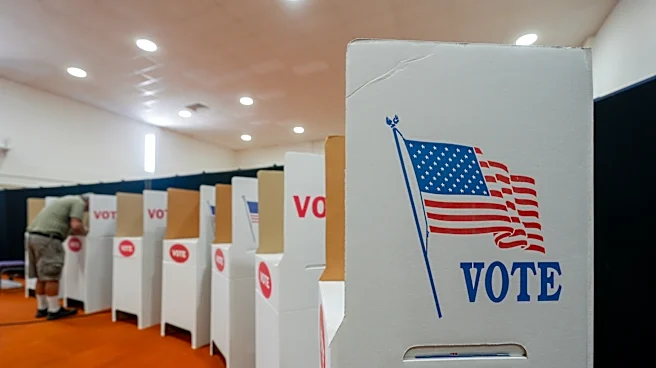
With the court's decision, Proposition 142 will be presented to voters in the upcoming November election. The measure's opponents may consider appealing the ruling, which could lead to further legal battles. If the proposition is approved by voters, it could face additional legal challenges regarding its compliance with federal anti-discrimination laws and First Amendment rights. The debate over Proposition 142 is likely to intensify as the election approaches, with both supporters and opponents mobilizing to influence public opinion and voter turnout.