









What's Happening?
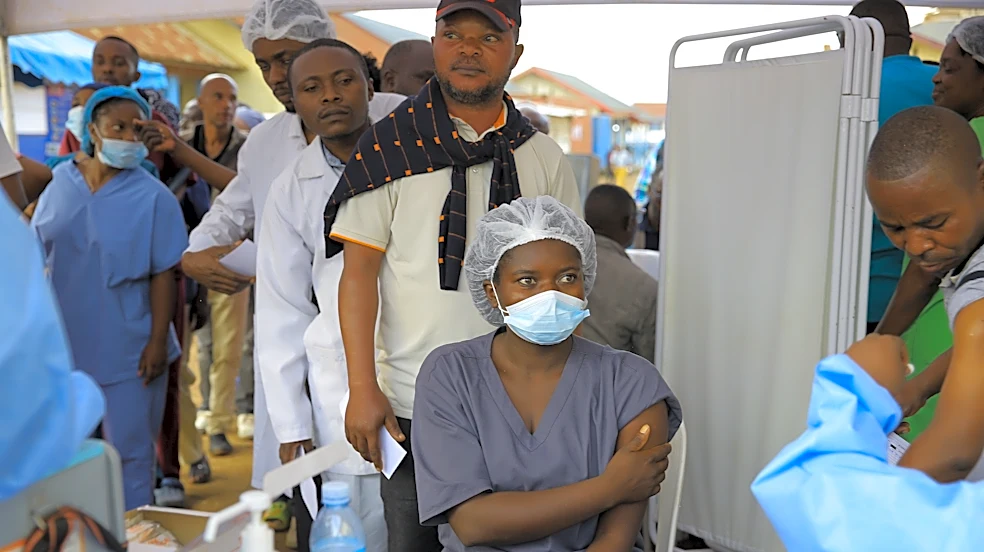
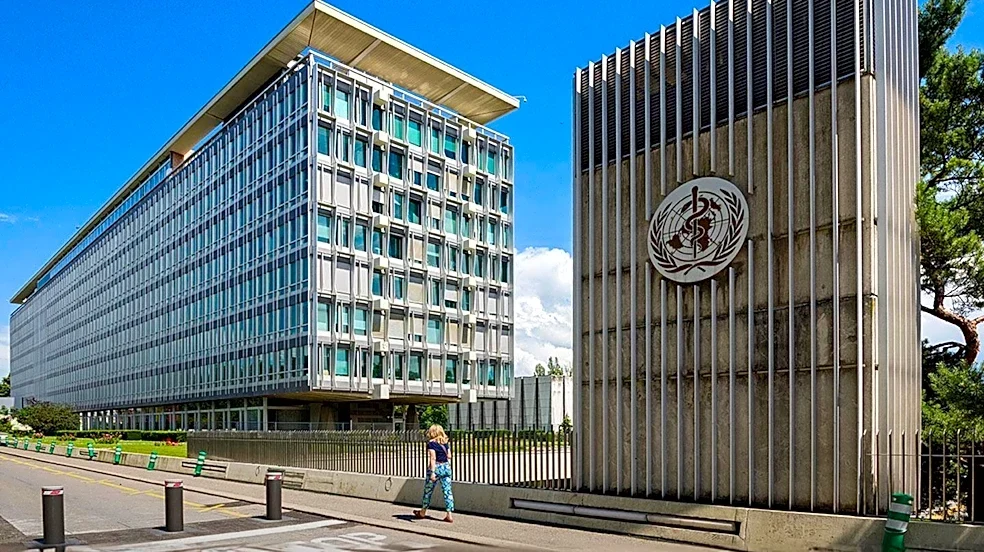
The World Health Organization (WHO) is reinforcing the critical need to strengthen interconnected systems for health emergency prevention, preparedness, response, and resilience (HEPR). This initiative stems from lessons learned during the COVID-19 pandemic,
which exposed significant weaknesses in surveillance, preparedness, institutional coordination, and the use of scientific evidence in decision-making. The WHO advocates for an integrated approach, moving away from treating surveillance, community protection, clinical care, and emergency coordination as isolated functions. This comprehensive strategy is further necessitated by emerging challenges such as climate-related health risks, rapid technological advancements, persistent global inequalities, and increasing pressure on the public health workforce. The organization's work on HEPR aims to build robust public health institutions capable of anticipating risks, making informed decisions under uncertainty, coordinating across various organizational boundaries, and sustaining core functions even when political, financial, or operational conditions deteriorate. This involves a more demanding conception of leadership grounded in institutional accountability, systems thinking, scientific integrity, and long-term population health protection.
Why It's Important?
This emphasis by the WHO is crucial for global health security, directly impacting the United States by advocating for stronger international frameworks that can prevent and mitigate future health crises. A more interconnected and resilient global health architecture means that the U.S. will be better protected from the rapid spread of infectious diseases and other health threats originating abroad. Strengthening these systems can lead to more effective early warning systems, better coordinated international responses, and improved access to medical countermeasures. For U.S. public health agencies, this means potential for enhanced collaboration with international partners, sharing of best practices, and access to global data and research. Industries involved in healthcare, pharmaceuticals, and biotechnology stand to benefit from clearer international guidelines and coordinated efforts in developing and deploying health solutions. Conversely, a failure to strengthen these systems could leave the U.S. vulnerable to future pandemics, leading to significant economic disruption, strain on healthcare infrastructure, and loss of life, as experienced during COVID-19.
What's Next?
The WHO's ongoing efforts will likely involve continued development and promotion of frameworks and guidelines for HEPR, encouraging member states, including the U.S., to adopt and implement these integrated strategies. This will entail sustained investment in public health infrastructure, workforce development, and surveillance systems at national and international levels. Future steps will also focus on integrating climate and health initiatives, leveraging artificial intelligence responsibly, and addressing health equity in preparedness plans. Expect increased calls for international cooperation and funding to support these initiatives, potentially leading to new global health agreements or strengthened existing ones. Stakeholders, including national governments, NGOs, and private sector entities, will be urged to align their strategies with the WHO's vision for a more resilient global health system. The effectiveness of these efforts will depend on political will, sustained financial commitment, and the ability of diverse actors to collaborate effectively across borders.
Beyond the Headlines
Beyond the immediate goal of preventing future pandemics, the WHO's push for interconnected HEPR systems signals a fundamental shift in how global health is perceived and managed. It highlights the ethical imperative of global solidarity in health, recognizing that no nation can be truly secure in isolation. This approach also underscores the growing recognition of the interconnectedness between environmental health (climate change), technological advancements (AI), and human health, demanding a holistic 'One Health' approach. The long-term implications include a potential redefinition of national sovereignty in the context of global health threats, where international cooperation becomes not just beneficial but essential. It also raises questions about equitable access to health resources and technologies, particularly for low-income countries, and the need for robust governance mechanisms to ensure that technological advancements like AI are used ethically and inclusively. This broader perspective aims to build a more just and resilient global society, where health is seen as a shared responsibility and a fundamental human right.