



What's Happening?
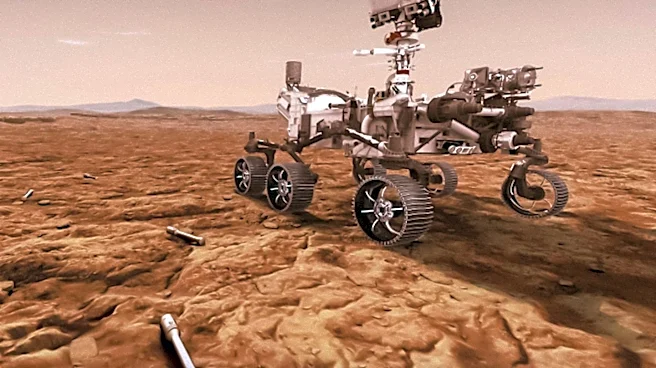
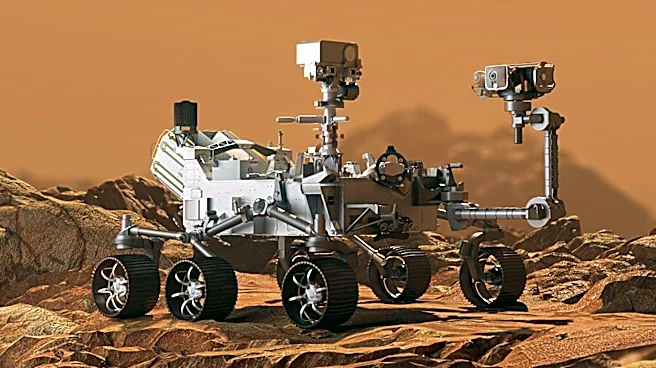
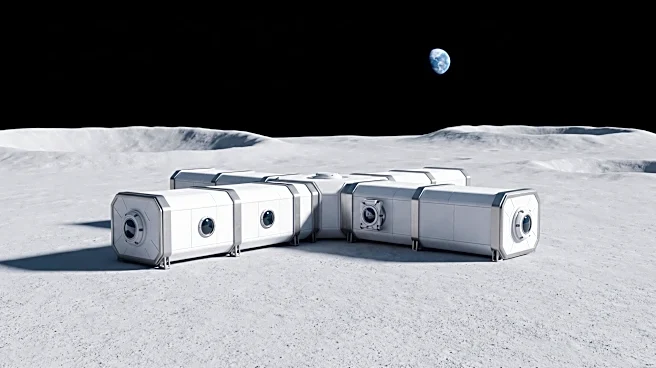
Researchers are advocating for the establishment of a high-security biocontainment facility on the moon to quarantine and study samples collected from Mars and other celestial bodies before they are brought to Earth. This proposal, published in the journal
Ambio, suggests that a lunar lab would act as a 'firewall' to protect Earth's biosphere from potentially hazardous extraterrestrial microbes. Frederick I. Moxley, Director of Strategic Threat Analysis and Research Laboratories and a co-author, emphasizes that current planetary protection strategies have not kept pace with the increasing risks associated with returning extraterrestrial samples. The moon is considered an ideal location due to its separation from Earth by nearly 240,000 miles and its apparent lack of a biosphere, allowing for containment of any unexpected discoveries. The proposed facility would utilize robotic systems for analysis, minimizing human exposure to unknown organisms. This initiative is not based on evidence of alien microbes but rather on the understanding of invasive species on Earth and the irreversible consequences of introducing new organisms into an environment.
Why It's Important?
This proposal addresses a critical and growing concern in space exploration: the potential biological contamination of Earth. As NASA and private aerospace companies plan more ambitious missions to the moon, Mars, and beyond, the likelihood of returning extraterrestrial samples increases. Without stringent precautions, there is a risk of introducing unknown pathogens or invasive organisms that could have devastating and irreversible long-term impacts on Earth's ecosystems, similar to the effects of invasive species on Earth. A lunar quarantine facility would provide an unprecedented layer of protection, ensuring that any returned samples are thoroughly vetted before reaching our planet. This proactive approach is vital for safeguarding global health and biodiversity, preventing a worst-case scenario where a spacecraft carrying contaminated material crashes or astronauts unknowingly bring back dangerous microbes. The initiative underscores the need for biosafety planning to evolve alongside technological advancements in space exploration.
What's Next?
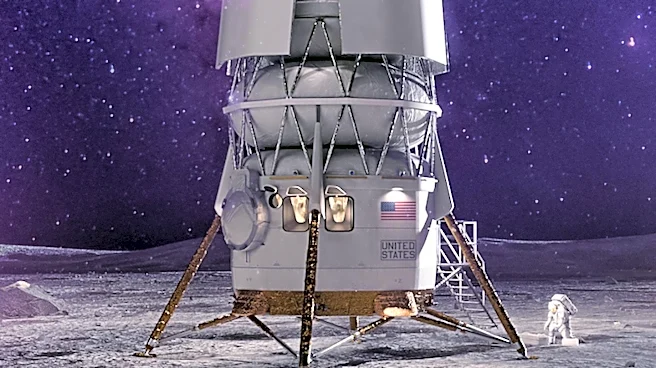
While the proposal is a policy recommendation and not yet a NASA plan, it aims to shape future conversations among countries and private companies involved in space exploration. The researchers hope their idea will prompt a re-evaluation of existing planetary protection protocols and encourage the development of advanced biocontainment strategies. As space agencies like NASA continue to build lunar bases and plan for human habitation on the moon, the integration of such a facility into future lunar infrastructure could become a key consideration. The ongoing acceleration of space missions means that discussions around this topic will likely intensify, pushing for concrete steps to be taken to mitigate biological risks. The ultimate goal is to ensure that as humanity expands its reach into space, the protection of Earth remains a paramount concern, making the moon potentially 'humanity's first line of biological defense.'
Beyond the Headlines
The concept of a lunar biocontainment lab delves into profound ethical and philosophical questions about humanity's responsibility as a spacefaring species. It highlights the tension between the drive for scientific discovery and the imperative to protect our home planet. The proposal implicitly acknowledges the potential for life beyond Earth, even if only microbial, and the unknown risks associated with it. This foresight reflects a maturing understanding of our place in the cosmos, moving beyond mere exploration to responsible stewardship. Furthermore, the reliance on robotic systems in the proposed lab raises questions about the future of human-robot collaboration in hazardous environments and the increasing automation of scientific research. The idea also taps into a deep-seated human fear of the unknown, particularly concerning alien life, and transforms it into a pragmatic, scientific challenge to be addressed through advanced planning and technology.