






What's Happening?
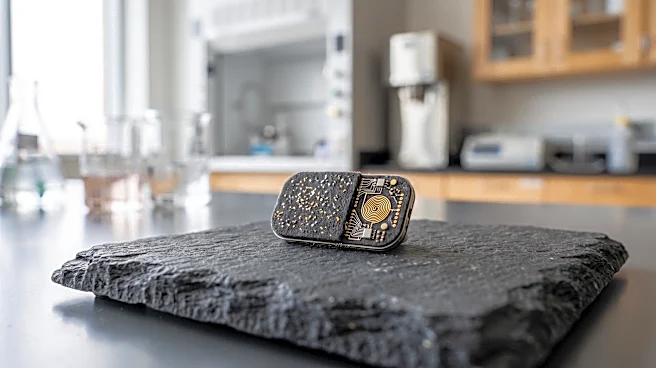
Researchers at ETH Zurich are developing an implantable electronic device, named ECHO (electrocatalytic closed-loop health optimization), that offers a drug-free approach to managing type 2 diabetes. This device is designed to be implanted under the skin
and directly removes excess glucose from the bloodstream by oxidizing it into gluconate, which is then cleared by the kidneys. The electrocatalyst within the device is made from gold nanoclusters decorated with platinum particles embedded in conductive graphite felt. In tests on obese type 2 diabetic mice, the ECHO device successfully restored elevated blood glucose to normal levels within an hour and maintained control for at least six weeks, leading to weight loss and lower triglyceride levels without adverse effects.
Why It's Important?
This innovative approach could revolutionize diabetes management by offering an alternative to lifelong drug-based therapies, which often come with side effects, adherence issues, or incomplete metabolic control. The ECHO device's ability to autonomously regulate blood glucose without requiring stored drugs or engineered cells represents a significant advancement towards more autonomous glucose management. For the 2.5 billion people worldwide affected by type 2 diabetes and obesity, this technology could provide a more convenient, effective, and less burdensome treatment option, potentially improving quality of life and reducing the long-term health complications associated with the disease.
What's Next?
The research team plans to scale up the electrocatalytic capacity of the ECHO device to accommodate human glucose turnover, having already conducted promising experiments in a 5-liter fluid volume. The next steps involve evaluating glucose regulation, long-term safety, and device performance in larger animals, whose physiological conditions are closer to humans. Concurrently, researchers will work on optimizing the electrocatalytic efficiency, durability, and miniaturization of the implant to prepare it for clinical translation. This ongoing development aims to bring this drug-free diabetes control method closer to human application.
Beyond the Headlines
The development of the ECHO device signifies a broader emerging field of electrocatalytic medicine, where electronically controlled chemical reactions could potentially complement or replace conventional drug treatments for various metabolic diseases. This paradigm shift moves beyond traditional pharmacology, exploring bioelectronic solutions that interact directly with the body's metabolic processes. The ethical implications of implantable devices, such as long-term safety, biocompatibility, and potential for remote control, will be crucial considerations as this technology advances. This research opens doors to entirely new therapeutic avenues, pushing the boundaries of how chronic conditions are managed.