


What's Happening?
A federal judge in Texas has ruled that ExxonMobil can proceed with a defamation lawsuit against California Attorney General Rob Bonta. The lawsuit stems from Bonta's comments regarding ExxonMobil's plastic recycling efforts, which he made in a campaign
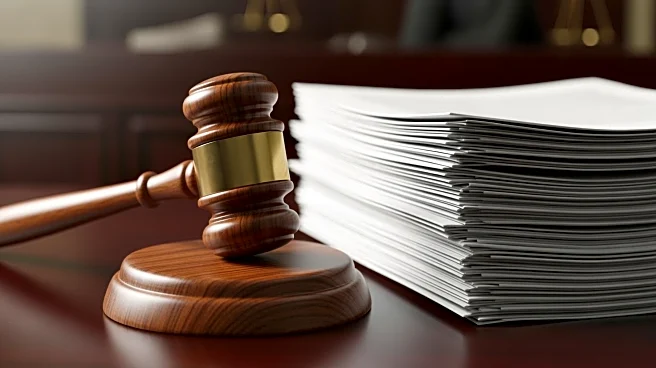
email sent to Texas residents. U.S. District Judge Michael J. Truncale determined that Bonta cannot claim official immunity for these statements, as the inclusion of a campaign contribution link in the email classified it as a campaign activity, not protected by his official capacity. Bonta had previously sued ExxonMobil, alleging that the company misled consumers about the recyclability of plastic products. ExxonMobil countered with a defamation suit, claiming the comments harmed its business contracts. While the judge dismissed the lawsuit against environmental groups, he allowed it to proceed against Bonta. Bonta has filed a notice of appeal, while ExxonMobil insists that the accusations are false and damaging to its business.
Why It's Important?
This legal development is significant as it highlights the ongoing tensions between major corporations and state officials over environmental accountability. The case underscores the challenges companies face in defending their business practices against public and legal scrutiny, particularly in the context of environmental sustainability. For ExxonMobil, the lawsuit represents a critical effort to protect its reputation and business interests amid increasing pressure to address environmental concerns. For California's Attorney General, the case is part of a broader initiative to hold corporations accountable for their environmental impact. The outcome of this lawsuit could influence future interactions between state officials and corporations, potentially affecting regulatory approaches and corporate strategies in addressing environmental issues.
What's Next?
As the case proceeds, both parties are expected to present their arguments in court. Bonta's appeal could lead to further legal proceedings, potentially delaying the resolution of the case. The outcome may set a precedent for how campaign-related communications are treated in legal contexts, particularly regarding claims of defamation. Stakeholders, including environmental groups and business entities, will likely monitor the case closely, as its implications could extend beyond the immediate parties involved. The legal battle may also prompt discussions on the balance between corporate accountability and the protection of free speech in political and campaign activities.