




What's Happening?
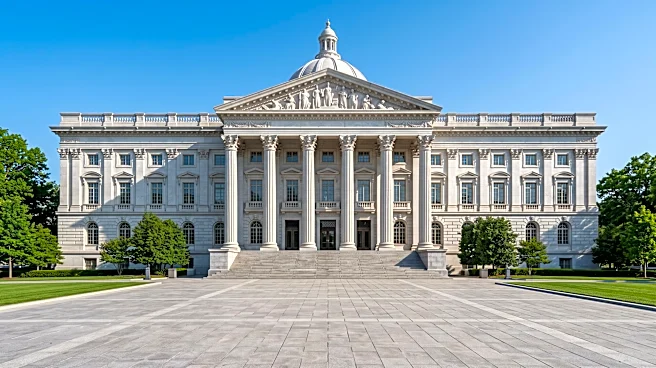
Trenton Van Zoeren has been charged with two counts of assaulting a federal officer and two counts of damaging windows at the Eugene Federal Building in January. According to the indictment, each count of property damage exceeded $1,000. Van Zoeren pleaded
not guilty to all charges on Wednesday, September 2. The alleged incidents occurred amidst a period of protests at the federal building, specifically between the use of chemical munitions by federal officers against protesters on January 27 and a declared riot on January 30. These protests followed the shooting deaths of U.S. citizens Alex Pretti and Renée Good in Minneapolis in January. Van Zoeren is represented by the Civil Liberties Defense Center, which has previously represented other protesters involved in incidents at the Eugene Federal Building. Federal authorities have not publicly commented on Van Zoeren's case, though Oregon's U.S. attorney announced criminal prosecutions for two other individuals in May for their alleged actions during the protests.
Why It's Important?
This case highlights the ongoing tensions and legal ramifications stemming from protests at federal facilities across the U.S. The charges against Van Zoeren, particularly for assaulting a federal officer and damaging federal property, underscore the government's stance on maintaining order and protecting its assets during civil unrest. The involvement of the Civil Liberties Defense Center suggests a broader legal and civil rights context, indicating that the defense may challenge the circumstances surrounding the protests and the actions of federal officers. The potential sentence of up to 20 years in prison and a $250,000 fine for aggravated assault on a federal employee reflects the severity with which such offenses are treated. This situation also brings attention to the role of federal law enforcement in managing protests and the public's right to assembly, creating a complex legal and social landscape.
What's Next?
Trenton Van Zoeren's trial date is set for December. Prosecutors are not seeking to detain him in the interim. The legal proceedings will likely involve arguments from both the prosecution, detailing the alleged assaults and damages, and the defense, potentially raising questions about the context of the protests and the actions of federal officers. The outcome of this case could set precedents for how similar incidents involving federal property and personnel during protests are handled in the future. Additionally, the ongoing investigations and prosecutions of other individuals involved in the Eugene Federal Building protests suggest a continued focus by federal authorities on addressing actions deemed illegal during demonstrations. Public and civil liberties groups will likely monitor the trial closely, given its implications for protest rights and federal law enforcement conduct.
Beyond the Headlines
The events at the Eugene Federal Building are part of a larger national conversation regarding the balance between protest rights and government authority, particularly concerning federal property and personnel. The use of chemical munitions by federal officers prior to the alleged incidents involving Van Zoeren raises questions about the escalation of force and its impact on public perception and subsequent actions. This case also touches upon the broader issue of federal intervention in local protests, a topic that has generated significant debate across the U.S. The legal battles faced by protesters, often represented by civil liberties organizations, highlight the challenges individuals face when confronting federal charges. The long-term implications could include shifts in protest tactics, changes in federal law enforcement protocols, and ongoing legal challenges to the scope of government power during periods of civil unrest.