








What's Happening?
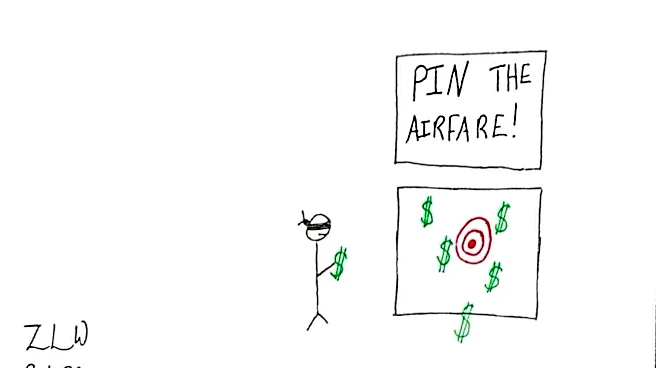
Airline pricing remains a complex and often frustrating issue for travelers, as highlighted by a recent experience where a traveler booked an international flight only to see the fare drop significantly shortly after. Experts in the travel industry, such
as Henry Harteveldt from Atmosphere Research and Melanie Fish from Expedia, emphasize that airline pricing is intentionally opaque, with numerous factors influencing costs, including flight timing, booking advance, and events at the destination. They advise travelers to focus on booking flights that fit their schedule and budget rather than waiting for the lowest possible price. Tools like Google Flights and Expedia can aid in finding deals, but travelers should also check airline websites for full terms and conditions to avoid inflexible tickets.
Why It's Important?
The unpredictability of airline pricing has significant implications for consumers, who may overpay for flights or miss out on better deals. This complexity can lead to consumer frustration and a lack of trust in airline pricing practices. The travel industry, including airlines and booking platforms, faces pressure to provide more transparency and flexibility to meet consumer expectations. The ability to cancel or change flights without fees, as offered by some U.S. airlines, is a step towards addressing these concerns. However, international airlines may not offer the same flexibility, highlighting a disparity in consumer protection across different markets.
What's Next?
Travelers are encouraged to use flexible booking strategies, such as considering non-traditional airlines and routes, and utilizing price drop protection services offered by platforms like Expedia and Google Flights. These strategies can help mitigate the risk of overpaying for flights. As consumer demand for transparency and flexibility grows, airlines may need to adapt their pricing models and policies to remain competitive. The travel industry could see increased innovation in pricing tools and consumer protection measures, potentially leading to more equitable and predictable pricing practices.