
What's Happening?
President Donald Trump has labeled Iran's response to a U.S. peace proposal as 'totally unacceptable.' This development follows Iran's communication of its response through Pakistani mediators, amid recent
hostilities around the Strait of Hormuz. The U.S. proposal, which includes demands for Iran to halt its nuclear program and cease uranium enrichment, was met with a response from Iran that emphasized ending regional hostilities and lifting U.S. sanctions. The situation remains tense as both nations have engaged in military actions in the region, testing the fragility of a ceasefire established over a month ago.
Why It's Important?
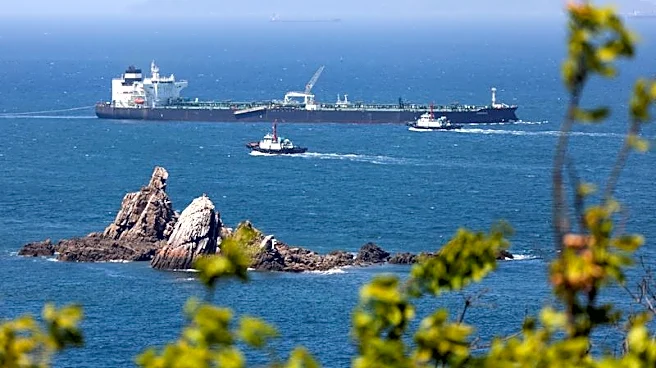
The ongoing tensions between the U.S. and Iran have significant implications for global security and economic stability. The Strait of Hormuz is a critical chokepoint for global oil shipments, and disruptions there can lead to increased oil prices and economic instability. The U.S. demands for Iran to cease its nuclear activities are central to international security concerns, while Iran's insistence on lifting sanctions highlights the economic pressures it faces. The outcome of these negotiations could impact U.S. foreign policy, regional alliances, and global energy markets.
What's Next?
The next steps involve potential diplomatic engagements, with Pakistan playing a mediating role. The U.S. administration may need to decide on further actions if Iran's response remains unsatisfactory. The international community, including countries like Qatar and China, may also play roles in facilitating dialogue. The situation's resolution will depend on both nations' willingness to compromise and the international community's ability to mediate effectively.