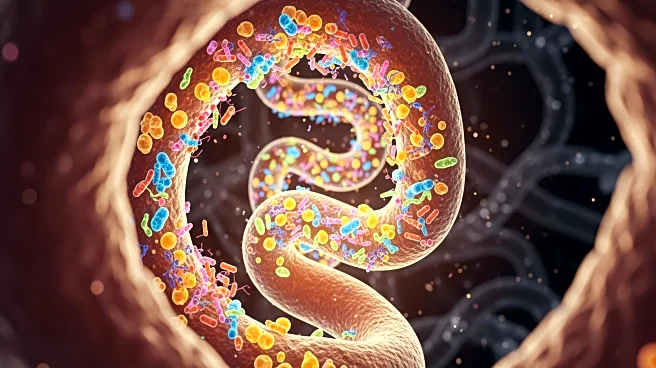




What's Happening?
A recent study has highlighted the significant role of gut microbiota in pediatric functional constipation (FC). Researchers conducted a study involving 40 children with FC and 40 healthy children, utilizing 16SrRNA and metagenomic sequencing to assess
changes in gut microbiota structure and gene function. The findings revealed a decrease in gut microbiota diversity among FC patients, with increased abundances of Bacteroides and Prevotella, and a depletion of beneficial genera such as Lactobacillus and Bifidobacterium. Additionally, the study identified imbalances in metabolic activities, particularly in bile acid (BA) metabolic pathways, with differences in metabolite levels like taurine and glycochenodeoxycholic acid. These changes were linked to intestinal dysfunction in FC patients, suggesting potential therapeutic targets for managing FC through gut microbiome modulation.
Why It's Important?
The study's findings underscore the critical connection between gut microbiota and pediatric functional constipation, offering new insights into potential treatment strategies. By identifying specific bacterial imbalances and metabolic disruptions, the research provides a foundation for developing targeted therapies that could improve gut health and alleviate constipation symptoms in children. This could lead to more effective management of FC, reducing the reliance on traditional treatments and improving quality of life for affected children. The study also highlights the broader implications of gut microbiota research in understanding and treating various gastrointestinal disorders, potentially influencing future healthcare practices and policies.