








What's Happening?
Salah Sarsour, the president of Wisconsin’s largest mosque and a Palestinian-born legal permanent resident of the United States, is reportedly being denied essential medical care while in U.S. Immigration and Customs Enforcement (ICE) custody. Detained
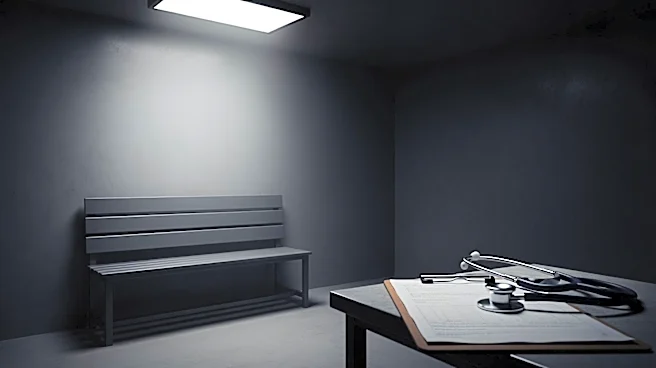
since April, Sarsour has Type 2 diabetes and has allegedly lost 30 pounds due to inadequate medical attention. His attorneys argue that he is being held on unfounded claims of being a foreign policy threat, possibly due to his past conviction as a minor by Israeli military courts and his outspoken stance against Israel. Despite having no criminal record in the U.S., Sarsour's health is reportedly deteriorating, with inconsistent blood sugar monitoring and lack of access to necessary medication. His legal team has appealed to a federal judge for his release, citing severe health risks and religious discrimination, including being denied access to a Quran and appropriate dietary options.
Why It's Important?
This case highlights significant concerns about the treatment of detainees in ICE custody, particularly regarding medical neglect. The allegations against ICE, if proven true, could indicate systemic issues within the detention system, affecting not only Sarsour but potentially hundreds of other detainees with similar complaints. The situation underscores the broader debate over immigration policies and the rights of detainees, especially those with serious health conditions. The outcome of Sarsour's case could influence public policy and legal standards for detainee treatment, potentially prompting reforms in how medical care is administered in detention facilities. It also raises questions about religious freedom and the treatment of Muslim detainees, which could have wider social and legal implications.
What's Next?
Sarsour's attorneys are pushing for his immediate release while his immigration case is pending. The federal judge's decision on this matter could set a precedent for similar cases, potentially leading to increased scrutiny of ICE's detention practices. If the court rules in favor of Sarsour, it may prompt further legal challenges and calls for policy changes regarding detainee rights and medical care standards. Additionally, advocacy groups and civil rights organizations may intensify their efforts to address alleged abuses in detention centers, potentially influencing future legislative actions.