


What's Happening?
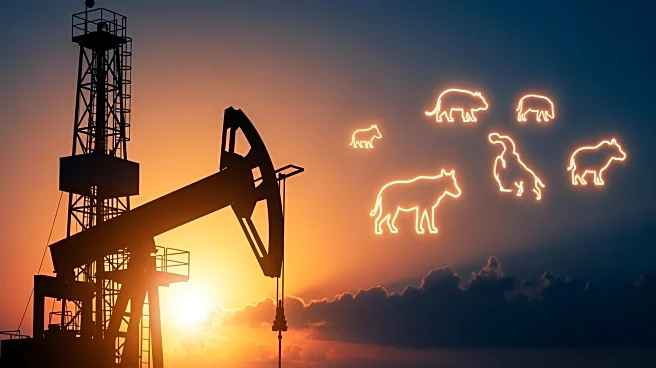
The Endangered Species Committee, known as the 'God Squad,' has granted an exemption to all oil and gas operations in the Gulf of Mexico from the Endangered Species Act. This decision was made at the request of the Pentagon, citing national security concerns.
Defense Secretary Pete Hegseth argued that the law impedes oil and gas production, which is crucial for national security. The exemption comes amid litigation that threatens to halt oil and gas production in the Gulf, which accounts for 15% of U.S. crude oil. The committee, chaired by Interior Secretary Doug Burgum, justified the exemption by stating that endangered species protections pose a national security threat. This marks the first meeting of the committee since 1992.
Why It's Important?
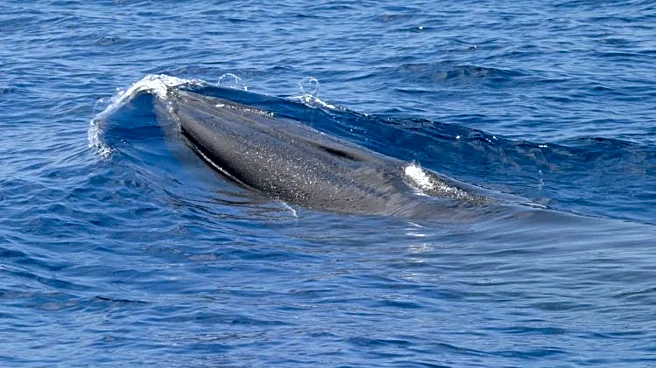
This decision has significant implications for environmental policy and energy production in the U.S. By exempting Gulf oil operations from the Endangered Species Act, the committee prioritizes energy production over environmental conservation. This move could lead to increased fossil fuel development in the Gulf, potentially impacting numerous endangered species. The decision reflects a broader agenda under President Trump to roll back environmental protections in favor of economic and energy interests. Environmental groups are likely to oppose this decision, arguing that it undermines efforts to protect vulnerable species and ecosystems.
What's Next?
The exemption is expected to face legal challenges from environmental organizations, which could delay or complicate its implementation. The decision may also prompt further discussions on balancing national security with environmental conservation. Stakeholders, including oil companies and environmental groups, will likely engage in lobbying and advocacy efforts to influence future policy decisions. The outcome of these legal and political battles could set precedents for how environmental laws are applied to energy projects in the future.